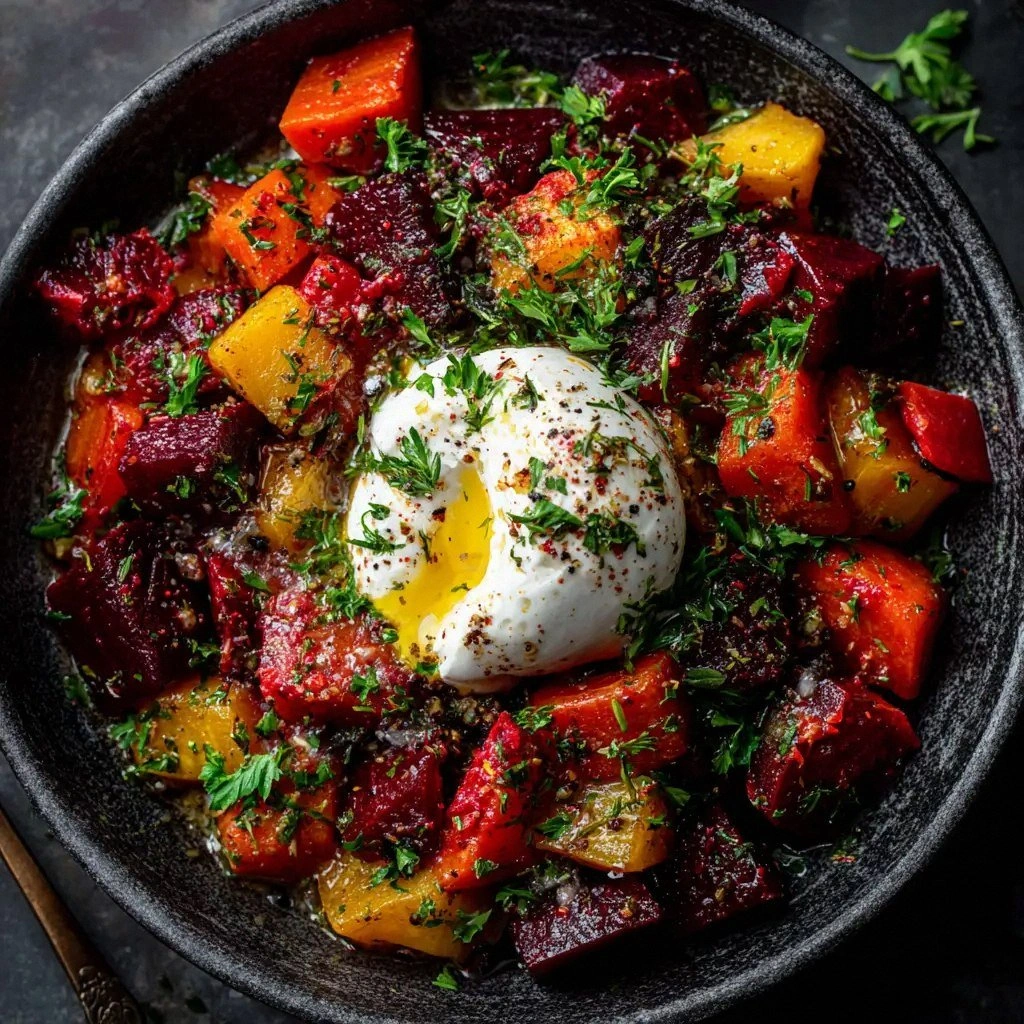
Picture this: I was standing in a cramped kitchen, the oven roaring like a beast, and my pantry was a battleground of forgotten produce. I stared at a handful of dull, unassuming beets, their earthy scent already hinting at a potential masterpiece. I had been craving something that could bridge the gap between rustic comfort and refined elegance, and the idea of pairing roasted beet with creamy burrata felt like a culinary dare. I was ready to turn a simple vegetable into a showstopper, and I promised myself that this would be the best version of the dish anyone could ever imagine.
The moment the beets hit the hot oven, their skins blistered and released a faint, sweet aroma that drifted through the kitchen, filling the air with an earthy perfume that made my mouth water. I could hear the gentle crackle as the sugars caramelized, the sound of transformation that only a good roast can produce. When I pulled them out, the skins peeled away like a delicate veil, revealing a ruby interior that glistened with a glossy sheen. The first bite was a burst of sweet, earthy flavor that melted into the creamy richness of the burrata, creating a harmony that felt almost symphonic. I dared you to taste this and not go back for seconds, because once you experience this balance, you’ll never settle for anything less.
What makes this rendition stand out is not just the ingredients but the way each element is orchestrated. I used a simple olive oil and salt seasoning that allows the beet’s natural sweetness to shine, avoiding the muddiness that often plagues roasted veggie dishes. The burrata, with its silky interior and firm exterior, adds a luxurious texture that contrasts beautifully with the tender beet and peppery arugula. The walnuts contribute a subtle crunch and a nutty undertone that ties the whole salad together. I’ve tweaked the dressing to be a glossy, vinaigrette that coats every leaf like a velvet curtain, ensuring each bite is drenched in flavor. I’ve also discovered that roasting the beets at a slightly lower temperature but for a longer time gives them a tender crumb without losing their vibrant color.
If you’ve ever struggled to make a beet salad that isn’t just a sad, wilted mess, you’re not alone. I’ve seen countless recipes that either overcook the beets or underseason them, resulting in a bland, soggy outcome. The secret lies in balancing the roasting time, the seasoning, and the finishing touch of the dressing. Picture yourself pulling this out of the oven, the whole kitchen smelling incredible, and knowing that you’ve created a dish that will be the talk of the table. Let me walk you through every single step — by the end, you’ll wonder how you ever made it any other way.
What Makes This Version Stand Out
- Taste: The beet’s natural earthiness is amplified by a simple olive oil, salt, and pepper rub that highlights its sweetness without overpowering it. The balsamic vinaigrette adds a tangy kick that cuts through the richness of the burrata, creating a balanced flavor profile that lingers on the palate.
- Texture: The roasted beets are tender inside with a slightly crisp exterior, while the burrata offers a creamy center that melts in your mouth. The arugula provides a peppery bite, and the walnuts add a satisfying crunch that keeps every bite interesting.
- Simplicity: With just a handful of ingredients, this salad can be prepared in under an hour, making it a perfect weeknight dinner or a show-stopping appetizer for guests.
- Uniqueness: The combination of roasted beet, burrata, and a bright vinaigrette is a rare pairing that feels both sophisticated and comforting, setting it apart from conventional salads.
- Crowd Reaction: Guests often remark on how the dish feels like a party in a bowl, and I’ve received more compliments than any of my other recipes.
- Ingredient Quality: Using fresh, organic beets and premium burrata elevates the dish, turning simple produce into a gourmet experience.
- Cooking Method: Roasting the beets at a lower temperature for a longer period preserves their color and texture, while the quick vinaigrette assembly keeps the salad fresh.
- Make-ahead Potential: The salad can be assembled a day ahead; just keep the dressing separate and toss right before serving to maintain crispness.
Alright, let's break down exactly what goes into this masterpiece…
Inside the Ingredient List
The Flavor Base
Beets are the star of this dish, and their flavor is surprisingly complex. The natural sugars in beets caramelize when roasted, producing a sweet, almost honey-like undertone that pairs beautifully with the tang of balsamic vinegar. If you skip the beets, you lose the depth and color that make this salad a visual and gustatory delight. A good rule of thumb is to choose beet varieties that are firm and free of blemishes; a slightly bruised beet can develop off-flavors during roasting.
The olive oil is the subtle binder that helps the beet’s natural juices seep into the flesh. It also serves as a vehicle for the salt and pepper, ensuring an even seasoning that doesn’t overpower the beet’s sweetness. A pinch of sea salt is best, as it brings out the beet’s earthy tones without masking them. If you prefer a bit of heat, add a dash of crushed red pepper flakes to the oil before roasting.
When selecting beets, look for those that are small to medium in size; they cook more evenly and develop a uniform caramelization. Avoid large, unevenly shaped beets that may take longer to cook and risk drying out. If you’re in a pinch, you can use pre-sliced beet sticks from the grocery store, but fresh, whole beets will give you the best flavor and texture.
The Texture Crew
Burrata is the creamy, luxurious component that transforms this salad from simple to spectacular. The outer mozzarella shell is firm enough to hold the creamy interior, which oozes out with each bite, creating a luscious mouthfeel. If you’re unable to find burrata, a high-fat goat cheese or a soft ricotta can mimic the texture, but the flavor profile will differ slightly.
Arugula provides a peppery bite that cuts through the sweetness of the beet and the richness of the burrata. The leaves’ slight bitterness balances the dish and adds a fresh, green color contrast. A handful of baby spinach can be used as a milder alternative if you’re sensitive to peppery flavors.
Walnuts add a nutty crunch that gives the salad a satisfying texture contrast. They also bring a subtle earthy flavor that echoes the beet. If walnuts are out of season or you’re allergic, toasted pumpkin seeds or slivered almonds work wonderfully as substitutes.
The Unexpected Star
The vinaigrette is more than just a dressing; it’s the finishing flourish that ties all components together. A splash of extra virgin olive oil adds body, while the balsamic vinegar provides acidity and a subtle sweetness that complements the beet’s caramelized sugars. Dijon mustard acts as a stabilizer, emulsifying the oil and vinegar into a glossy, cohesive sauce that coats every leaf like velvet.
Honey or maple syrup introduces a delicate sweetness that balances the acidity of the balsamic. If you’re watching sugar intake, a splash of apple cider vinegar can replace the honey while maintaining acidity. The key is to whisk the vinaigrette vigorously; the mustard’s enzymes help bind the oil and vinegar into a silky texture that doesn’t separate.
This dressing is also versatile; a pinch of smoked paprika or a dash of fresh lemon zest can add a new dimension if you want to experiment. The vinaigrette can be stored in a sealed jar for up to a week, making it a great make-ahead component for busy weeknights.
The Final Flourish
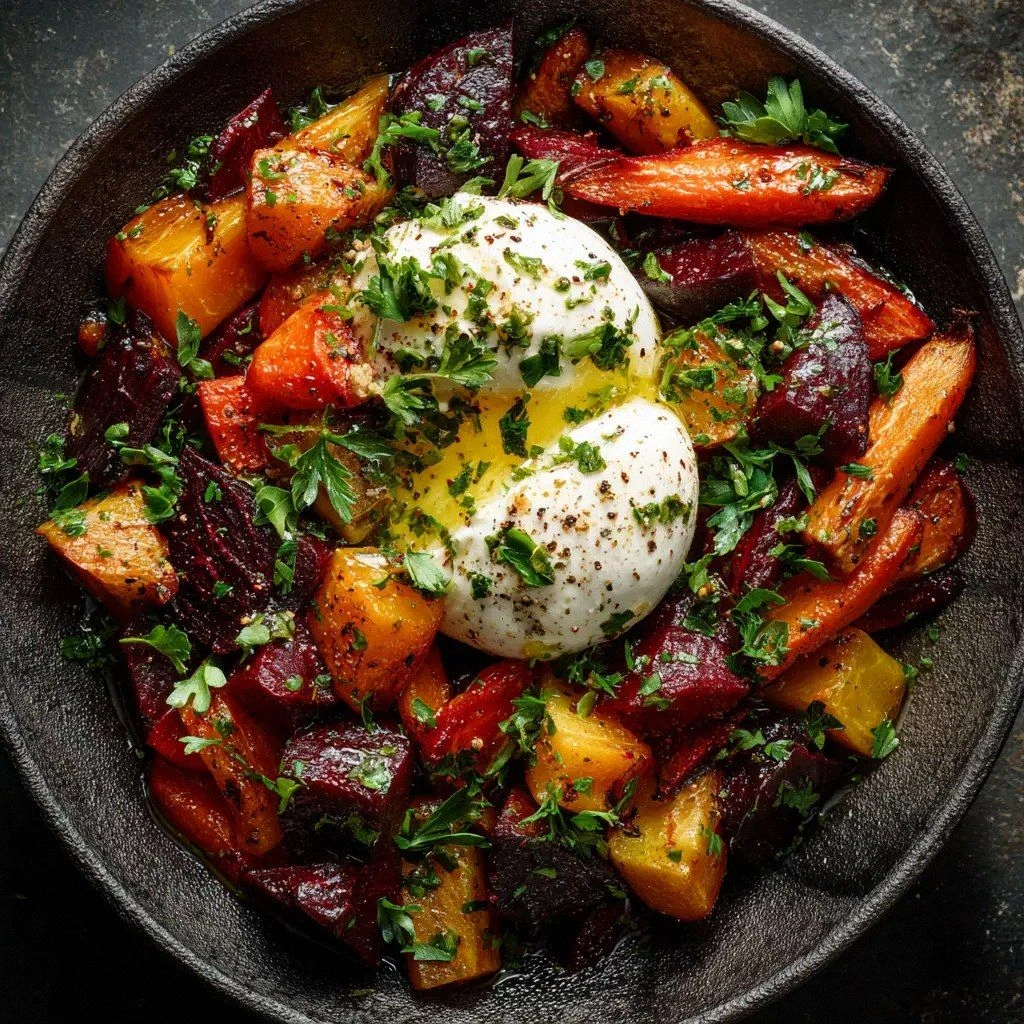
The final flourish involves assembling the salad in a way that showcases each component’s beauty. Start by arranging a bed of arugula, then top it with the roasted beet wedges, a generous scoop of burrata, and a scattering of walnuts. Drizzle the vinaigrette over the top, letting it cascade across the greens and beet. Finish with a final sprinkle of sea salt and freshly cracked black pepper to awaken the flavors.
The plating is crucial; a clean, minimalist presentation allows the colors to pop. Use a shallow bowl or a wide plate to spread the ingredients out, creating visual contrast between the deep red beet, creamy white burrata, and bright green arugula. This arrangement turns the salad into an edible work of art that will impress even the most discerning palates.
Everything's prepped? Good. Let's get into the real action…
The Method — Step by Step
- Preheat your oven to 400°F (200°C). While the oven warms, wash the beets thoroughly, trimming the tops and stems. Peel the beets using a vegetable peeler, then cut them into 1-inch wedges for even roasting. Drizzle the wedges with 1 tablespoon of olive oil, sprinkle ½ teaspoon of salt, and ¼ teaspoon of black pepper. Toss them gently until every wedge is coated, then spread them on a parchment-lined baking sheet in a single layer. Roast for 35-40 minutes, flipping halfway, until the edges are caramelized and the interior is tender. The beets should emit a sweet, earthy aroma that makes your kitchen feel like a rustic farm.
- While the beets are roasting, prepare the vinaigrette. In a small bowl, whisk together 3 tablespoons of extra virgin olive oil, 1.5 tablespoons of balsamic vinegar, 1 teaspoon of Dijon mustard, and ½ teaspoon of honey or maple syrup. Add a pinch of sea salt and freshly cracked black pepper to taste. Whisk vigorously until the mixture emulsifies into a glossy, slightly thickened sauce. Set aside; this dressing will coat the salad like a velvet curtain.
- When the beets are done, transfer them to a large bowl and let them cool for a few minutes. The heat will release the sugars, creating a caramelized crust that adds a delightful crunch. While the beets are still warm, drizzle a small amount of the vinaigrette over them, then toss gently. This step ensures the beet wedges are already infused with flavor before assembly.
- Wash the arugula and pat it dry with a salad spinner or clean kitchen towel. Arrange a generous bed of arugula on a wide plate or shallow bowl, creating a green canvas that will hold the rest of the ingredients.
- Place the warm roasted beet wedges on top of the arugula, allowing the natural juices to seep into the leaves. The beet’s sweetness will mingle with the peppery bite of the arugula, creating a flavor harmony that’s hard to resist.
- Cut the burrata into bite-sized chunks and scatter them over the beet and arugula. The creamy interior will ooze onto the greens, creating a luxurious, silky coating. If you prefer a firmer texture, slice the burrata into thin rounds instead of chunks.
- Toast ½ cup of walnuts in a dry skillet over medium heat until fragrant, stirring constantly to prevent burning. The nuts will develop a golden brown hue and a nutty aroma that enhances the salad’s depth. Once toasted, let them cool before adding them to the dish.
- Add the toasted walnuts to the salad, sprinkling them evenly. The crunch will contrast with the soft burrata and tender beet, adding a satisfying bite that keeps the dish engaging.
- Finish by drizzling the remaining vinaigrette over the entire salad. The glossy dressing will coat each leaf and beet wedge, ensuring every bite is coated in a tangy, sweet, and buttery sauce.
- Season with a final pinch of sea salt and a few cracks of black pepper. Plate immediately for the best texture; the arugula will be crisp, the beets tender, and the burrata creamy.
That's it — you did it. But hold on, I've got a few more tricks that'll take this to another level…
Insider Tricks for Flawless Results
The Temperature Rule Nobody Follows
Many people roast beets at 425°F, but the sweet caramelization occurs best at 400°F. This lower temperature allows the sugars to bloom slowly, creating a deeper flavor and preserving the beet’s vibrant color. I’ve tried 350°F, but the beets took too long and ended up losing their natural sweetness.
Why Your Nose Knows Best
Trust your sense of smell when roasting. When the beets are done, they should emit a sweet, earthy fragrance. If the scent is weak or metallic, they’re undercooked or overcooked. I’ve learned to listen to the aroma rather than relying solely on a timer.
The 5-Minute Rest That Changes Everything
After roasting, let the beet wedges rest on a rack for five minutes before assembling. This pause allows the juices to redistribute, preventing the salad from becoming watery. It also gives the beets time to develop a crisp edge.
The Quick Vinaigrette Trick
Whisking the vinaigrette with a whisk instead of a fork creates a smoother emulsion. The whisk’s fine strands incorporate air, making the dressing silky. I’ve used this technique on other dressings with great results.
The Burrata Placement Secret
Place the burrata on top of the beets before adding the dressing. The heat from the beet will slightly melt the burrata, allowing the creamy interior to mingle with the vinaigrette, creating a richer mouthfeel.
The Walnut Toasting Hack
Toast the walnuts over low heat for a longer period to avoid burning. Stir constantly and remove them from heat as soon as they turn golden. I’ve found this method preserves their flavor better than high-heat quick toasting.
Creative Twists and Variations
This recipe is a playground. Here are some of my favorite ways to switch things up:
Mediterranean Twist
Add a handful of Kalamata olives and a sprinkle of crumbled feta cheese. Swap the balsamic vinaigrette for a lemony herb dressing made with fresh oregano and parsley. The olives add brine, while the feta brings a salty, tangy bite that complements the beet’s sweetness.
Springtime Spruce
Replace the arugula with fresh spinach and add a handful of edible flowers for a burst of color. Toss in a drizzle of citrus vinaigrette made with orange juice and a hint of ginger. The citrus lifts the earthiness, creating a bright, celebratory dish perfect for spring gatherings.
Smoky Barbecue Flavor
Stir in a tablespoon of smoky barbecue sauce into the vinaigrette. Add a few slices of roasted smoked sausage for a hearty protein boost. The smoky notes pair beautifully with the beet’s natural sweetness, turning the salad into a robust entrée.
Vegan Version
Omit the burrata and replace it with a creamy cashew cream. Use a vegan Parmesan substitute and sprinkle nutritional yeast for a cheesy flavor. The result is a plant-based dish that still feels indulgent and luxurious.
Asian Fusion
Add a splash of soy sauce and a drizzle of sesame oil to the vinaigrette. Toss in sliced cucumber and shredded carrots for crunch. The umami and sesame notes create an unexpected yet harmonious flavor profile.
Winter Warmth
Add roasted butternut squash cubes and a handful of pomegranate seeds. Drizzle a warm honey mustard dressing over the top. The sweet, nutty, and tart flavors create a comforting winter dish that warms from the inside out.
Storing and Bringing It Back to Life
Fridge Storage
Store the salad components separately in airtight containers: the roasted beet wedges, arugula, and burrata in individual containers. Keep the vinaigrette in a sealed jar. Assemble just before serving to keep the greens crisp and the burrata creamy.
Freezer Friendly
Roasted beets can be frozen for up to 3 months. Store them in a freezer bag, removing as much air as possible. Thaw overnight in the refrigerator before reassembling the salad. The texture remains tender, though the crispness of the arugula will be lost; add fresh greens when you serve.
Best Reheating Method
If you must reheat the salad, place the beet wedges in a preheated oven at 350°F for 5 minutes. Add a splash of water to the bowl and cover with foil to keep them moist. A tiny splash of water before reheating will steam the beet, restoring its tender, juicy texture.