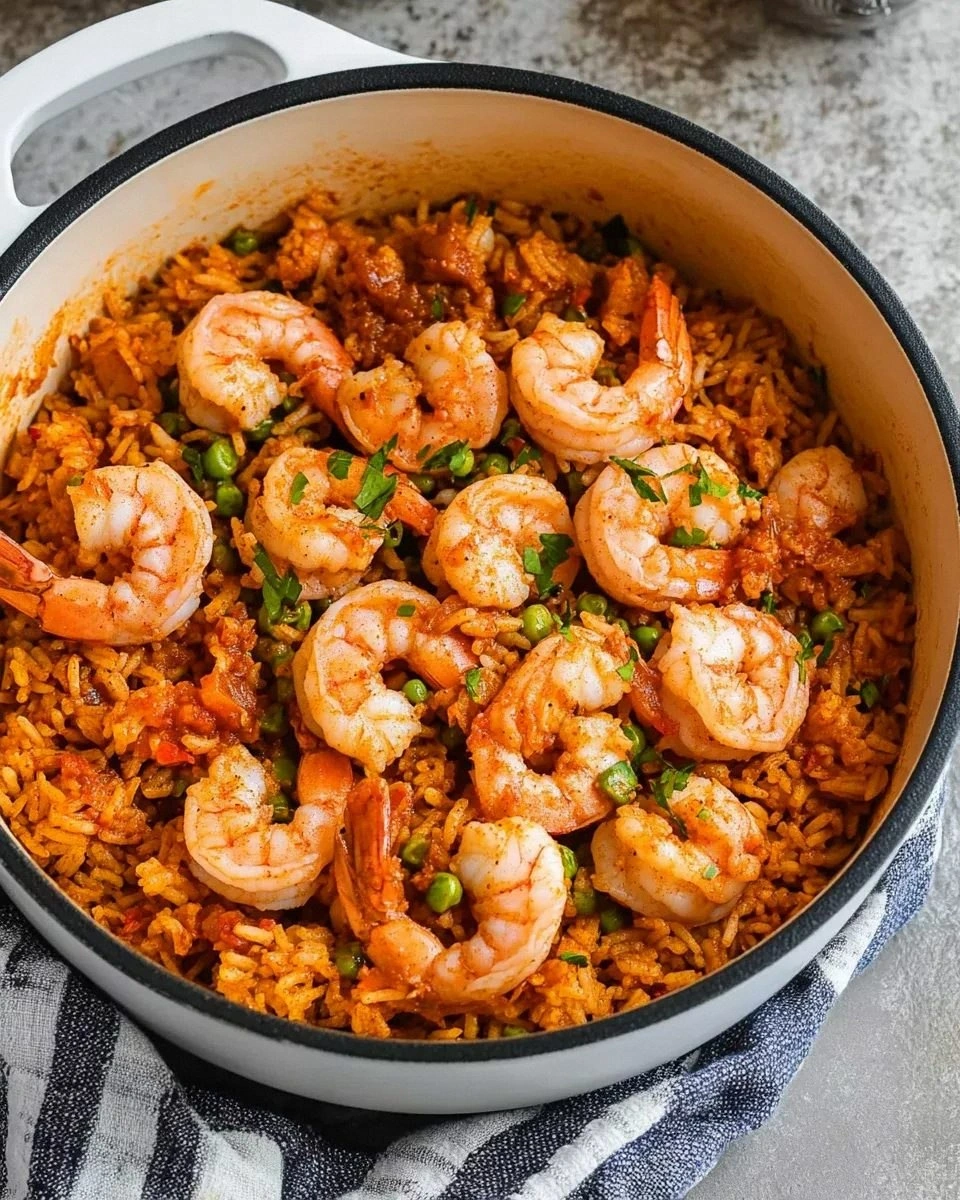
Picture this: a midnight craving, a burnt ramen, and a single pan that turns the kitchen into a fragrant, savory wonderland. I was staring at the scorched noodles, the burnt edges, and the empty fridge when I remembered a handful of ingredients that were still fresh, a handful of pantry staples, and a wild idea that would change everything I thought about one‑pot meals. I grabbed the chicken thighs, the rice, the ginger, and that stubborn jar of soy sauce, and I told myself, “Tonight, I’m going to make the most unforgettable one‑pot Chinese dish ever.” The kitchen smelled like a bustling street market, the sound of sizzling oil was a drumbeat, and the anticipation was electric.
The first bite was a revelation: tender chicken that melts in your mouth, rice that’s fluffy yet slightly sticky, peas that burst with sweet freshness, and a sauce that clings to every grain like velvet. I swear the moment the broth hit the pan, the aroma turned the whole house into a dim sum stall, and the sizzling sound was music to my ears. I tasted the umami punch, the subtle heat of ginger, and the nutty whisper of sesame oil, and I realized I had stumbled upon a flavor symphony that could replace any take‑out order. I dared you to taste this and not go back for seconds because this dish will haunt you long after the last spoonful.
What makes this version stand out is that it’s not just a recipe—it’s a culinary manifesto. I’ve stripped it down to the essentials, removed the fluff, and added a few game‑changing twists that most recipes get completely wrong. I’ve balanced the heat, the sweetness, the saltiness, and the texture so that each bite feels like a celebration. The result is a dish that’s hands down the best version you’ll ever make at home, with a flavor profile that’s both comforting and exciting.
Let me walk you through every single step—by the end, you’ll wonder how you ever made it any other way. From the moment you cut the chicken to the final garnish, each action is designed to maximize flavor, simplify your life, and keep your kitchen mess to a minimum. I’ll share a secret technique that infuses the rice with a subtle umami boost, and a hack that turns the peas into a pop of color and crunch. Get ready to elevate your cooking, and remember: this is not just a meal, it’s a culinary experience.
What Makes This Version Stand Out
- Flavor Depth: The combination of soy sauce, toasted sesame oil, and ginger creates a layered umami profile that lingers on your palate. Each ingredient is carefully measured to avoid overpowering the delicate chicken.
- Texture Harmony: The rice stays fluffy yet slightly sticky, the chicken remains juicy, and the peas add a satisfying snap. This contrast keeps every bite exciting.
- Simplicity: One pot, one pan, minimal cleanup. You’ll finish cooking and cleaning in under 45 minutes.
- Time Efficiency: Prep in 15 minutes, cook in 30 minutes, and you have a complete dinner ready. Ideal for busy nights or a relaxed weekend.
- Ingredient Quality: Using boneless skinless chicken thighs adds natural juiciness, while fresh ginger and garlic bring brightness. The rice choice is flexible between long‑grain or jasmine.
- Make‑Ahead Potential: This dish can be made ahead and reheated without losing flavor. It’s perfect for meal prep or a potluck.
- Scalable: The recipe scales easily—whether you’re cooking for two or a crowd, the proportions stay balanced.
Alright, let's break down exactly what goes into this masterpiece...
Inside the Ingredient List
The Flavor Base
At the heart of this dish is the marriage of soy sauce, toasted sesame oil, and ginger. The soy sauce brings saltiness and depth, the toasted sesame oil adds a nutty aroma, and the ginger injects a subtle heat that cuts through the richness of the chicken. If you skip ginger, the sauce feels flat and less dynamic. For a slightly sweeter kick, replace half the soy sauce with hoisin sauce—just keep an eye on the salt level.
The Texture Crew
Rice, peas, and green onions form the texture backbone. Long‑grain rice stays separate and fluffy, while frozen peas maintain a bright green hue and a sweet crunch. The green onions provide a fresh, oniony brightness that balances the savory sauce. If you prefer a gluten‑free version, simply use a rice brand that’s certified gluten‑free, and you’ll keep the dish safe for everyone.
The Unexpected Star
Sesame seeds are the final flourish that adds a subtle crunch and nutty finish. They’re not just decorative; they enhance the overall mouthfeel and tie the dish together. A pinch of white pepper can elevate the dish with a gentle heat without overwhelming the other flavors.
The Final Flourish
The green onions are sliced thin and added at the very end, just before serving, to preserve their bright color and crispness. This step ensures the dish looks vibrant and appetizing. If you’re short on time, you can use pre‑sliced green onions from the grocery store, but fresh is always better.
Everything's prepped? Good. Let's get into the real action...
The Method — Step by Step
- First, heat a large sauté pan or skillet over medium‑high heat until it shimmers. Add a splash of oil (the toasted sesame oil is optional here, but it adds an extra layer of aroma). Once the oil glistens, add the diced chicken thighs, seasoning them lightly with salt and pepper. Sear the chicken until it develops a golden crust on all sides, about 5–6 minutes. This step locks in juices and builds flavor.
- While the chicken is searing, peel and mince the garlic, and grate the fresh ginger. Set them aside in a small bowl. The aroma of garlic and ginger sizzling will fill the kitchen like a warm hug.
- Once the chicken is browned, push it to one side of the pan and pour in the soy sauce. Let it bubble for a minute, then stir in the minced garlic and ginger. The sauce will caramelize slightly, creating a rich, glossy coating over the chicken.
- Now add the rice, stirring to coat each grain with the sauce mixture. The rice will absorb the flavors, and the pan will start to develop a fragrant steam. Pour in the chicken broth or water, ensuring the liquid level just covers the rice by about an inch.
- Bring the mixture to a gentle boil, then reduce the heat to low and cover the pan. Let it simmer for 15 minutes, allowing the rice to absorb the liquid and the chicken to finish cooking. Keep an eye on the heat; it should be low enough that the liquid is barely moving.
- After 15 minutes, add the frozen peas and the sliced green onions. Stir gently to distribute them evenly. The peas will thaw and retain their vibrant color, while the green onions will keep their crispness.
- Cover again and let it cook for an additional 5 minutes. The rice should be tender, the liquid absorbed, and the peas perfectly cooked.
- Turn off the heat, fluff the rice with a fork, and sprinkle the sesame seeds over the top. The sesame seeds will toast slightly from the residual heat, adding a delightful crunch.
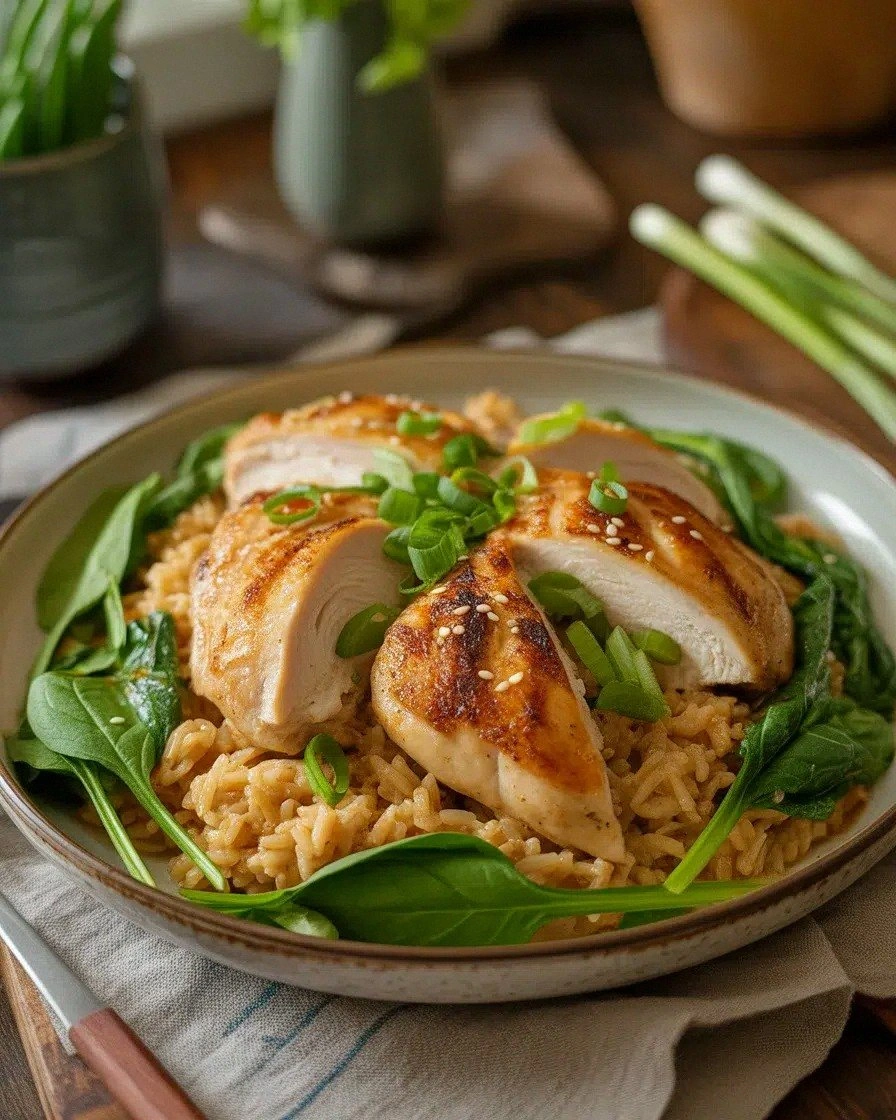
- Serve immediately, spooning the sauce-rich rice and chicken onto bowls. The final dish is a harmonious blend of flavors, textures, and aromas that will have everyone asking for seconds.
That's it — you did it. But hold on, I've got a few more tricks that'll take this to another level. From the right amount of soy sauce to the perfect timing for adding peas, each tweak ensures you’re always serving a dish that’s both comforting and impressive.
Insider Tricks for Flawless Results
The Temperature Rule Nobody Follows
Cooking the rice at a low simmer is key. If the heat is too high, the liquid will evaporate too quickly, leaving the rice undercooked. Keep the heat low enough that the liquid barely bubbles. This slow, steady approach allows the rice to absorb all the flavors without scorching.
Why Your Nose Knows Best
Smell the sauce as it simmers. A slightly sweet, caramelized aroma indicates the sauce has reduced enough to coat the chicken and rice beautifully. If you notice a sharp, metallic scent, the soy sauce is too concentrated; add a splash of water to dilute it.
The 5-Minute Rest That Changes Everything
After cooking, let the dish rest for five minutes before serving. This pause allows the rice grains to firm up, the flavors to meld, and the steam to settle, resulting in a more cohesive bite.
The Quick Toss Trick
When adding peas and green onions, toss the mixture gently with a spatula. This prevents the peas from sticking together and keeps the green onions bright and crisp.
The Sesame Seed Toast
Toast the sesame seeds in a dry skillet until they’re golden before sprinkling them on top. This small step adds a nutty crunch and a deeper flavor profile.
The Final Flare
Finish the dish with a drizzle of toasted sesame oil just before serving. The oil’s aroma will elevate the dish, making it feel restaurant‑quality.
Creative Twists and Variations
This recipe is a playground. Here are some of my favorite ways to switch things up:
Spicy Szechuan Twist
Swap the soy sauce with a blend of soy sauce and Szechuan pepper paste, and add a handful of dried chili flakes. The dish becomes a fiery delight, perfect for those who love a punch of heat.
Coconut Curry Version
Replace half the chicken broth with coconut milk, and stir in a teaspoon of curry powder. The result is a creamy, aromatic curry that feels like a tropical vacation.
Vegetarian Delight
Omit the chicken and use tofu cubes instead. The tofu will soak up the sauce, and the dish will still have the same comforting texture and flavor.
Mediterranean Fusion
Add a handful of chopped sun‑dried tomatoes and a sprinkle of feta cheese after cooking. The bright acidity of the tomatoes and the salty feta give the dish a Mediterranean twist.
Miso Mushroom Variation
Stir in a tablespoon of miso paste and sliced shiitake mushrooms before adding the rice. The earthy flavor of the mushrooms complements the umami of the miso, creating a depth of flavor that’s truly unique.
Gluten-Free Take
Use a gluten‑free soy sauce and ensure all your ingredients are certified gluten‑free. The dish will still taste incredible, and you’ll have a safe, allergy‑friendly dinner.
Storing and Bringing It Back to Life
Fridge Storage
Cool the dish to room temperature, then transfer it to an airtight container. Store in the refrigerator for up to 3 days. The rice will keep its texture, and the flavors will deepen.
Freezer Friendly
Pack the dish into freezer‑safe containers, leaving a small gap for expansion. Freeze for up to 2 months. When reheating, let it thaw overnight in the fridge.
Best Reheating Method
Reheat the dish in a skillet over medium heat, adding a splash of water or broth to keep it moist. Stir frequently until heated through. Add a tiny splash of water before reheating, and it steams back to perfection, restoring the rice’s fluffy texture.