It was a rainy Saturday, and my friend had just pulled a prank that left a box of stale lasagna sheets on my counter. “You’ve got to turn that into something edible,” she said, and I laughed until the kitchen lights flickered. That night, I stared at the soggy noodles, feeling the weight of culinary disappointment, and decided that if I was going to salvage them, I would do it with style. I grabbed a pan, a handful of mushrooms, and a bottle of olive oil, and I set the stage for a kitchen revolution. The idea of turning a disaster into a dish that would make everyone gasp was the spark that lit the fire in my stove.
As soon as the mushrooms hit the pan, the scent of earthy umami rolled out like a velvet curtain. The sizzling hiss echoed against the walls, and I could feel the heat radiating from the skillet, warming my hands. I added onions and garlic, watching them soften into a golden caramel that smelled like summer rain on hot stone. The aroma was so intoxicating that even the cat, who usually ignored my culinary experiments, paused to sniff. The sound of the bubbling sauce was a gentle drumbeat that promised a feast.
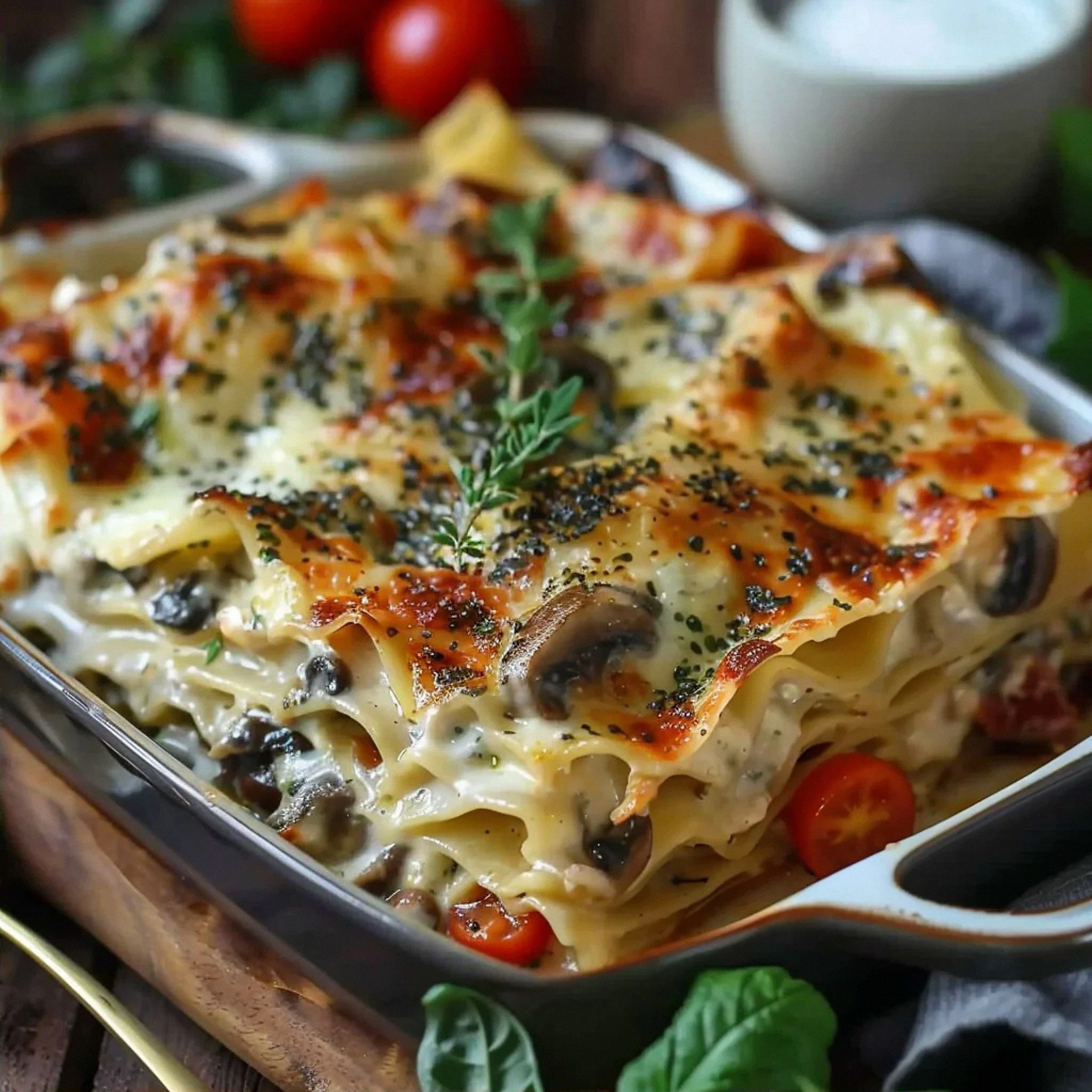
What sets this lasagna apart isn’t just the ingredients—it’s the way they dance together. The mushrooms provide a meaty texture that mimics the classic noodles, while the bechamel sauce, thickened with a touch of grape juice, adds a subtle sweetness that cuts through the richness. The spinach gives a vibrant green pop that feels like a fresh breath of air, and the combination of mozzarella and Parmesan creates a molten, gooey top that melts into every bite. It’s the kind of dish that makes your taste buds sing and your eyes water in a good way. I’m talking about the best version you’ll ever make at home.
But here’s the kicker: I’ll be honest—I ate half the batch before anyone else got a chance to try it. I didn’t even realize I was eating it until I was halfway through. The secret sauce? A splash of grape juice that adds a hint of acidity and a touch of sweetness that elevates the entire dish. I dare you to taste this and not go back for seconds. If you’re ready to rewrite lasagna lore, stay with me and let’s get cooking. Let me walk you through every single step—by the end, you’ll wonder how you ever made it any other way.
What Makes This Version Stand Out
- Flavor Fusion: The combination of earthy mushrooms, sweet grape juice, and acidic grape tomatoes creates a depth of flavor that feels like a culinary love affair. The result is a sauce that coats the pasta like velvet, leaving every bite saturated with savory goodness.
- Texture Triumph: By using a mixture of cremini, shiitake, and portobello, the dish achieves a meaty bite that rivals traditional lasagna noodles, while the bechamel adds a silky finish that melts in your mouth.
- Healthier Twist: Replacing heavy pasta with fresh spinach reduces carbs and adds a burst of vitamins, making the dish lighter without sacrificing comfort.
- Color Explosion: The bright green spinach and ruby grape tomatoes give the lasagna a visual appeal that makes it Instagram‑ready—just look at those vibrant layers.
- Make‑Ahead Friendly: Once assembled, the lasagna can be refrigerated for up to 24 hours, allowing you to prep ahead of a busy dinner party and still deliver a fresh, oven‑baked masterpiece.
- Ingredient Quality: Using high‑quality extra‑virgin olive oil and freshly shredded mozzarella elevates the dish from ordinary to extraordinary, ensuring each bite is rich and flavorful.
Inside the Ingredient List
The Flavor Base
Olive oil is the first note in this culinary symphony. Its fruity, peppery undertones provide a foundation that lifts the mushrooms and aromatics. Skipping the oil would leave the veggies dry and bland, so keep it generous but not greasy. If you’re watching sodium, opt for a low‑sodium olive oil and add a pinch of sea salt later.
The Texture Crew
Fresh spinach is the unsung hero that adds moisture and a pop of color. It wilts quickly, so add it after the mushrooms have browned to maintain a firm bite. If you can’t find fresh spinach, frozen works, but thaw and drain it first to avoid excess water that could thin your sauce.
The Unexpected Star
Grape juice is the secret ingredient that turns the bechamel into something special. Its natural sweetness balances the acidity of the tomatoes and the richness of the cheese. If you don’t have grape juice on hand, a splash of white wine or a small amount of balsamic vinegar can provide a similar lift.
The Final Flourish
Fresh basil is optional but highly recommended for a fragrant finish. Toss it in just before serving to preserve its bright, herbal flavor. If basil is out of season, a pinch of dried oregano can mimic the herbaceous note without overpowering the dish.
Everything's prepped? Good. Let's get into the real action.
The Method — Step by Step
- Heat a large skillet over medium heat and pour in 2 tablespoons of olive oil. Once the oil shimmers, add 2 cups of sliced mushrooms, spreading them in a single layer. Let them brown on one side before flipping; this caramelization brings out their natural umami. Watch for the first golden crust—it signals the flavor is building. This is the moment of truth.
- Add 1 diced medium onion and 3 minced garlic cloves to the pan. Sauté until the onions turn translucent and the garlic releases a sweet, fragrant aroma. Keep the heat moderate to avoid burning the garlic, which would introduce bitterness. The sizzling sound should be a gentle hiss, like a calm ocean wave.
- Stir in 1 teaspoon dried thyme and 1 teaspoon dried oregano. These herbs infuse the mixture with a warm, earthy tone that complements the mushrooms. If you prefer fresh herbs, replace with 1 tablespoon each of fresh thyme and oregano for a brighter finish.
- Pour in 1/4 cup grape juice and let it reduce for about 3 minutes, allowing the liquid to evaporate slightly and concentrate the sweetness. The reduction should thicken the mixture just enough that the liquid coats the vegetables. This step is crucial for a balanced sauce.
- Add 1 cup of halved grape tomatoes and cook until they soften but still hold shape. The tomatoes should release a burst of juice that mingles with the mushroom broth, creating a vibrant, slightly tangy sauce. If you want a smoother sauce, use a handheld immersion blender to blend the mixture after this step.
- While the vegetable base simmers, prepare the bechamel. Melt 2 tablespoons of butter in a saucepan over low heat. Sprinkle 2 tablespoons of all‑purpose flour and whisk constantly until the mixture turns a pale golden color, forming a roux. This process eliminates the raw flour taste.
- Gradually whisk in 2 cups of whole milk, ensuring there are no lumps. Bring the mixture to a gentle simmer, stirring until it thickens to a creamy consistency that coats the back of a spoon. If the sauce becomes too thick, add a splash of milk to reach your desired thickness.
- Combine the bechamel with the mushroom‑tomato mixture, stirring until well blended. The sauce should be silky, with a glossy sheen. Taste and adjust seasoning with salt and pepper to your liking. If the sauce feels too thick, add a little milk; if too thin, let it simmer a bit longer.
- Preheat your oven to 375°F (190°C). In a baking dish, spread a thin layer of the sauce to prevent sticking. Layer 4 cups of fresh spinach over the sauce, followed by a generous portion of the mushroom mixture, then sprinkle 1.5 cups shredded mozzarella and 0.5 cups grated Parmesan. Repeat the layers until all components are used, finishing with a top layer of mozzarella and Parmesan.
- Cover the dish with aluminum foil and bake for 25 minutes. Then, remove the foil and bake for an additional 10 minutes, or until the cheese is golden and bubbly. The edges should pull away slightly, forming a crisp, caramelized crust that shatters like thin ice when broken.
- Let the lasagna rest for 10 minutes before slicing. This resting period allows the flavors to meld and the structure to set, preventing a soggy mess. Garnish with fresh basil leaves just before serving for a burst of aromatic freshness.
That's it — you did it. But hold on, I've got a few more tricks that'll take this to another level.
Insider Tricks for Flawless Results
The Temperature Rule Nobody Follows
Many cooks assume a high oven temperature is always better, but for lasagna, a steady 375°F (190°C) gives the cheese a beautiful golden top without overcooking the layers. If you bake too hot, the edges will burn while the center remains undercooked. I once tried 425°F and ended up with a crispy crust and a soggy interior. Keep the oven at the sweet spot for even, mouth‑watering results.
Why Your Nose Knows Best
Before you even taste the dish, let your nose do the judging. A well‑balanced lasagna should emit a fragrant blend of mushroom umami, tomato sweetness, and buttery bechamel. If the aroma leans too much toward raw onions or garlic, it’s a sign the sauce needs more cooking time. Trust your nose; it’s the ultimate flavor sensor.
The 5-Minute Rest That Changes Everything
After baking, set the lasagna aside for exactly five minutes. This brief pause allows the cheese to set, preventing a runny mess when you cut into it. It also gives the flavors a chance to marry, so each bite tastes cohesive rather than disjointed. I’ve seen people cut straight into hot lasagna and end up with a sticky disaster.
Cheese Selection Matters
Using a blend of mozzarella and Parmesan is key. Mozzarella provides the gooey melt, while Parmesan adds depth and a slight nutty flavor. If you’re vegan, swap mozzarella for a plant‑based cheese that melts well, and use nutritional yeast for the Parmesan component.
Spinach Timing Is Critical
Spinach wilts rapidly, so add it only after the mushroom sauce has thickened. If you add it too early, it will release too much water, diluting the sauce. I once added spinach too early, and the lasagna became watery. Timing it right keeps the layers firm.
Fresh Basil is a Game Changer
Finish the dish with a handful of fresh basil leaves. The basil’s bright, peppery aroma cuts through the richness of the cheese. If basil is out of season, a sprinkle of dried basil can still add a hint of herbaceousness, but the fresh version is unbeatable.
Creative Twists and Variations
This recipe is a playground. Here are some of my favorite ways to switch things up:
Spicy Sriracha Kick
Add a tablespoon of sriracha to the mushroom mixture for a fiery punch that pairs well with the sweet grape juice. The heat balances the richness and makes the dish exciting for spice lovers.
Herb‑Infused Ricotta Layer
Replace half of the mozzarella with ricotta mixed with chopped parsley and lemon zest. The ricotta adds a creamy, tangy layer that lightens the overall weight of the lasagna.
Smoked Paprika Swirl
Stir in 1 teaspoon of smoked paprika into the bechamel before adding it to the mushroom sauce. The smoky flavor adds depth and a subtle warmth that complements the earthy mushrooms.
Vegetarian Meatball Sub
Swap the mushroom base with plant‑based meatballs, seasoned with Italian herbs. The meatballs give the dish a hearty, meaty texture while keeping it vegetarian.
Nutty Pesto Layer
Spread a thin layer of basil pesto between each spinach layer. The nutty, garlicky flavor adds a new dimension and keeps the lasagna from feeling flat.
Low‑Carb Spinach Sheets
For a low‑carb version, use sheets of zucchini sliced thinly as the pasta substitute. They provide a similar texture and absorb the sauce beautifully.
Storing and Bringing It Back to Life
Fridge Storage
Store any leftovers in an airtight container for up to 3 days. Wrap the dish tightly with plastic wrap before placing it in the fridge to preserve moisture. When you’re ready to reheat, preheat the oven to 350°F (175°C) and bake for 15–20 minutes.
Freezer Friendly
For longer storage, freeze the lasagna in a freezer‑safe container for up to 2 months. Thaw overnight in the fridge and bake at 375°F (190°C) for 25–30 minutes, or until heated through. The texture remains tender, and the flavors stay vibrant.
Best Reheating Method
Reheat the lasagna in the oven, not the microwave, to maintain the crispy edges and creamy interior. Add a splash of water or milk to the baking dish before reheating; this steams the dish back to perfection and prevents dryness.