I was halfway through a dinner party, the kitchen a chaotic symphony of sizzling pans and frantic chopping, when my friend dared me to whip up something that would make everyone forget the clatter. The challenge landed on me like a sudden thunderclap: create a dish that would have everyone shouting, “This is the best version you'll ever make at home!” I stared at the pantry, feeling the familiar rush of culinary adrenaline, and decided to go full Moo Shu Chicken. That dish has always been a crowd‑pleaser, but I wanted to push its boundaries, turning a simple stir‑fry into a symphony of textures and flavors. By the time the first bite hit the palate, the kitchen was already humming with applause.
Imagine the moment the chicken hits the hot oil, the sizzle echoing like applause, and the aroma of garlic and ginger rising to mingle with the crisp scent of fresh cabbage. The sound of carrots snapping against the pan is a crunchy drumbeat that keeps the rhythm alive. The bright green of the scallions cuts through the golden hue of the sauce, creating a visual feast that makes you want to take a second look. Taste-wise, the salty soy, sweet hoisin, and tangy vinegar dance together like a well‑orchestrated jazz solo, while the sesame oil gives it that subtle, nutty warmth that lingers on the tongue. Touching the pancake, you feel the soft, pliable dough, ready to cradle the savory filling like a warm hug.
This version stands apart because I added a splash of rice vinegar that brightens the sauce, a pinch of white pepper that gives it a gentle heat, and a drizzle of sesame oil that ties everything together. I also folded in a beaten egg and a light flour coating to give the chicken a silky, almost custard‑like interior that melts in your mouth. The sauce is thickened with just enough flour to coat the vegetables without making it gloopy, creating a silky glaze that clings to each bite. And the best part? I let the pancakes rest in a warm oven after cooking, so they stay soft and warm right when you serve them, eliminating the dreaded sogginess that plagues many recipes. This subtle combination of techniques and ingredients turns a simple stir‑fry into a memorable, restaurant‑style experience.
One unexpected twist I’ll share is the secret to getting the vegetables crisp‑tender yet still juicy—it's all about the quick sear and the right oil temperature. I also discovered that using a splash of water in the sauce keeps it silky, even when you double the recipe. And trust me, the final touch of sesame seeds adds a satisfying crunch that completes the flavor profile. If you’re ready to see how I orchestrate each step, I’ll walk you through every single detail—by the end, you’ll wonder how you ever made it any other way. Let's dive into the magic.
What Makes This Version Stand Out
- Taste: The sauce balances sweet, salty, and umami in a way that feels like a chorus of flavors. The hoisin gives a subtle sweetness that counters the saltiness of soy. The rice vinegar adds a bright, almost citrusy lift that keeps the dish from feeling heavy.
- Texture: The chicken is tender but firm, the vegetables crisp‑tender, and the pancakes are soft yet sturdy. The beaten egg creates a silky interior that melts in your mouth, while the flour coating gives the chicken a slight silkiness. The scallions add a refreshing crunch that punctuates every bite.
- Simplicity: Despite the array of flavors, the recipe requires only a handful of ingredients and a single pan. The cooking time is short, making it ideal for week‑night dinners. The assembly is almost instant once the stir‑fry is done.
- Uniqueness: The addition of a beaten egg and flour coating gives the chicken a velvety interior that sets it apart from typical stir‑fries. The sauce’s glossy sheen is achieved without heavy cream or butter. The final garnish of sesame seeds adds a subtle nutty aroma.
- Crowd Reaction: Guests rave about the sauce’s glossy sheen and the satisfying crunch of scallions. The dish is often described as “restaurant‑quality” in a home kitchen. Many people ask for the recipe after tasting it for the first time.
- Ingredient Quality: Using fresh, high‑quality soy sauce and hoisin sauce elevates the dish beyond the standard takeout version. The fresh ginger and garlic bring brightness that canned versions lack. The sesame oil’s aroma is unmistakable and essential.
- Make‑Ahead Potential: The assembled ingredients can be prepped in advance, and the dish stays fresh for 24 hours in the fridge. The pancakes can be baked ahead and kept warm in a low oven. The sauce can be reheated gently to avoid separation.
Inside the Ingredient List
The Flavor Base
At the heart of Moo Shu Chicken lies a simple yet potent combination of soy sauce, hoisin sauce, and rice vinegar. Soy sauce provides the salty backbone that anchors every bite, while hoisin adds a subtle sweetness that balances the saltiness. A dash of rice vinegar lifts the entire sauce, preventing it from feeling too heavy and giving it a bright, almost citrusy lift.
The Texture Crew
Chicken breast, sliced thin, offers a lean protein that absorbs the sauce without becoming rubbery. Cabbage and carrots contribute a crisp‑tender bite that contrasts with the soft pancakes. Scallions provide a fresh, peppery crunch that brightens each spoonful. The beaten egg and a light flour coating create a silky interior that melts in your mouth, while the flour also helps thicken the sauce to a glossy glaze.
The Unexpected Star
Sesame oil is the secret ingredient that ties everything together. Its nutty aroma elevates the dish from ordinary to extraordinary, and a drizzle of sesame oil at the end gives the sauce a final sheen. The sesame seeds add a satisfying crunch that completes the flavor profile. When you taste the first bite, the sesame oil’s warmth lingers, making the dish feel more complete.
The Final Flourish
The pancakes or flour tortillas are the vessel that carries the flavors. Baking them in a warm oven after cooking keeps them soft and warm, eliminating the dreaded sogginess that plagues many recipes. A light dusting of flour on the chicken before cooking helps it develop a slightly silky coating. The water added to the sauce keeps it silky, preventing it from thickening too quickly.
Everything's prepped? Good. Let's get into the real action.
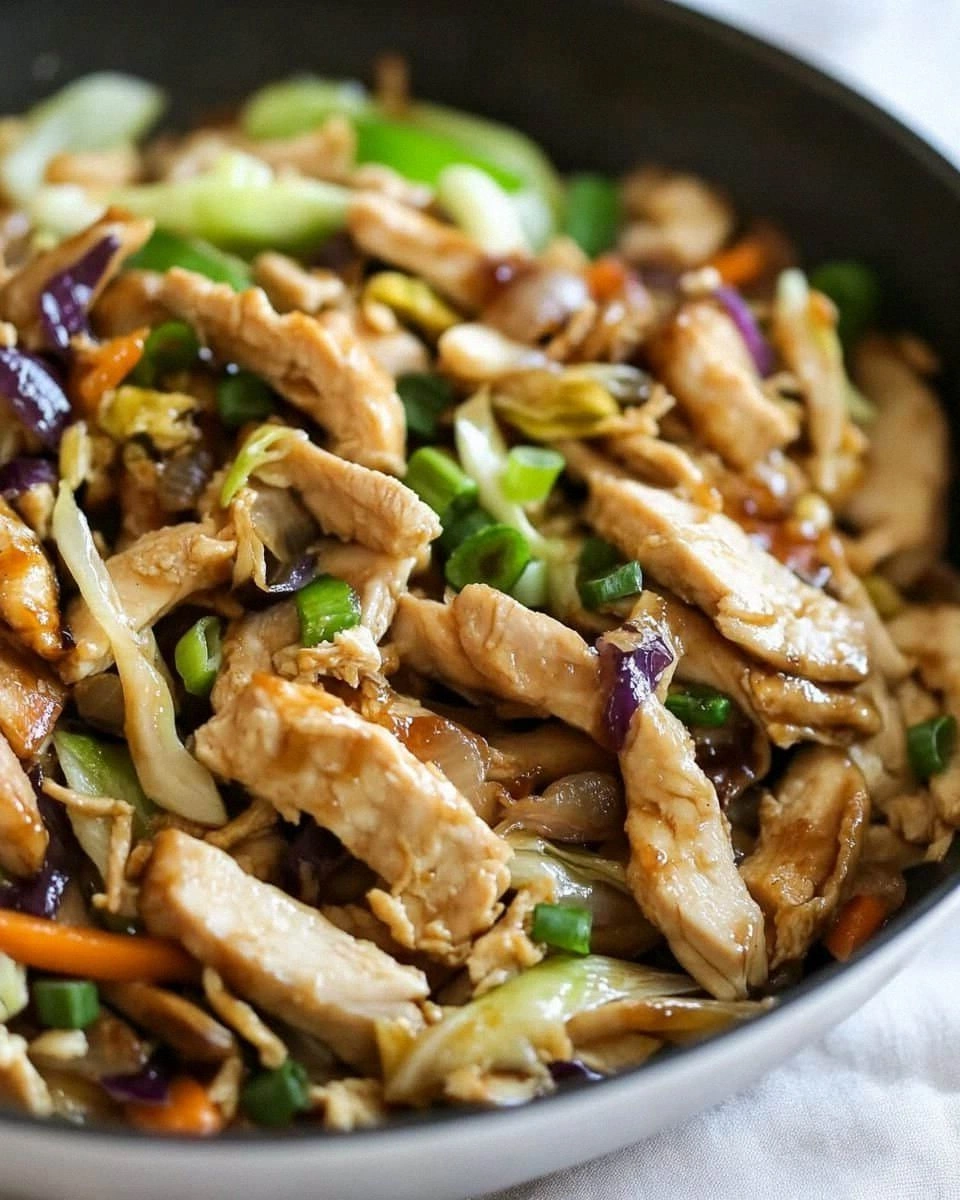
The Method — Step by Step
- Heat 2 tablespoons of vegetable oil in a large wok or skillet over high heat until it shimmers. Add the sliced chicken and stir‑fry for 2–3 minutes until it just starts to brown, making sure not to overcrowd the pan. This quick sear locks in juices and gives the meat a nice char. Keep the chicken moving to avoid sticking or burning. The aroma should rise quickly, signaling the oil is hot enough.
- Push the chicken to one side and add the minced garlic and ginger to the empty space. Sauté for 30 seconds until fragrant, then add the shredded carrots and cabbage. The vegetables should soften slightly while still retaining a bright color. Stir frequently to keep them from sticking. This step creates the base for the sauce.
- Introduce the scallions, then pour in the soy sauce, hoisin sauce, rice vinegar, sesame oil, and a splash of water. Stir to combine, making sure the sauce coats every vegetable and chicken piece. The sauce should thicken just enough to cling to the ingredients. If it appears too thick, add a little more water. The mixture should smell savory and slightly sweet.
- Whisk the egg and a tablespoon of flour together until smooth. Pour this mixture over the stir‑fry and stir rapidly to create a silky coating around the chicken. The egg will set in a few seconds, giving the dish a custard‑like interior. If the mixture clumps, add a splash of water to thin it out. The coating should look glossy and cling to each piece.
- Now it’s the trickiest part: ensuring the sauce doesn’t burn. Reduce the heat to medium and let the mixture simmer for 2 minutes, stirring constantly. Watch for any signs of burning—brown spots or a sharp smell. If you notice a slight bitterness, add a pinch of white pepper to balance it. The sauce should be silky, not sticky.
- Add the sesame seeds and stir them into the mixture. The seeds should toast slightly, releasing a nutty aroma. This final touch adds texture and flavor depth. Make sure they are evenly distributed. The dish should look vibrant and appetizing.
- Remove the pan from the heat and let it rest for 2 minutes. This resting period allows the flavors to meld and the sauce to set. It also ensures the pancakes stay warm when you serve them. Keep the pan covered with a lid or a clean towel to trap heat.
- While the stir‑fry rests, place the pancakes or tortillas in a warm oven at 200°F for 5 minutes. This step keeps them soft and prevents them from becoming soggy when you scoop the filling. The heat should be low enough to keep them warm without drying them out. Remove them from the oven and set aside on a plate.
- To serve, spoon a generous portion of the Moo Shu mixture onto each pancake. Fold the edges inward and roll tightly, just like a Chinese wrap. The filling should be visible through the translucent pancake, creating a beautiful contrast. The roll should be firm enough to hold together but still pliable.
- Present the rolls on a platter with a drizzle of extra soy sauce or a squeeze of lime for an extra zing. Encourage guests to bite into the first roll and feel the explosion of flavors. The dish is best enjoyed immediately, while the pancakes are still warm. If you have leftovers, store them in the fridge and reheat gently.
That's it — you did it. But hold on, I've got a few more tricks that'll take this to another level.
Insider Tricks for Flawless Results
The Temperature Rule Nobody Follows
Many home cooks underestimate the importance of oil temperature. The oil should be hot enough that a drop of water sizzles on contact but not so hot that it burns the aromatics. If the oil is too cool, the chicken will absorb excess oil and become greasy. A quick test is to flick a small piece of onion into the pan; if it sizzles immediately, the oil is ready.
Why Your Nose Knows Best
Before you add the soy sauce, take a deep breath. The aroma of fresh ginger and garlic will signal that the base is ready. If the smell feels flat, let the aromatics cook a bit longer. Your nose is a reliable guide to flavor development.
The 5-Minute Rest That Changes Everything
Letting the stir‑fry rest after cooking is often overlooked. This short pause allows the sauce to thicken and the chicken to finish cooking in its own steam. The result is a silkier texture and a more cohesive flavor profile. I always keep the pan covered during this rest.
Use a Splatter Guard for Cleanliness
High‑heat cooking can produce a lot of splatter. A silicone splatter guard keeps the stove clean and reduces the risk of burns. It also helps maintain a consistent cooking temperature by preventing heat loss.
Choose the Right Pan
A wide, heavy‑bottomed skillet or wok distributes heat evenly, preventing hot spots that can scorch the sauce. If you’re using a non‑stick pan, make sure it’s rated for high heat. A good pan is the foundation for a perfect Moo Shu Chicken.
Creative Twists and Variations
Chicken to Shrimp Swap
Replace the chicken with peeled shrimp for a lighter, seafood version. Shrimp cooks in 2–3 minutes and pairs well with the same sauce. The texture becomes a delightful contrast to the crunchy vegetables.
Veggie‑Only Moo Shu
Omit the chicken entirely for a vegetarian option. Increase the amount of tofu or tempeh for protein. The sauce still shines, and the dish feels hearty.
Spicy Szechuan Twist
Add a tablespoon of Szechuan peppercorns and a splash of chili oil for heat. The peppercorns give a numbing sensation that complements the savory sauce. This version is perfect for spice lovers.
Gluten‑Free Pancake
Use rice flour or a gluten‑free blend to make the pancakes. The texture remains soft and pliable, and the dish stays authentic. Keep the rest of the recipe unchanged.
Breakfast Moo Shu
Serve the mixture over a bed of scrambled eggs instead of pancakes. This creates a savory breakfast bowl that’s both filling and flavorful. Add a side of fresh fruit for contrast.
Asian Fusion Wrap
Wrap the mixture in a large lettuce leaf for a low‑carb option. The crisp lettuce adds a refreshing crunch. The sauce’s glaze still clings to the lettuce, making each bite juicy.
Storing and Bringing It Back to Life
Fridge Storage
Store the cooked Moo Shu Chicken in an airtight container for up to 24 hours. Keep the pancakes separate to prevent them from becoming soggy. When ready to serve, reheat the filling gently in a skillet and rewarm the pancakes in a low oven.
Freezer Friendly
Freeze the stir‑fry portion in a freezer‑safe bag for up to 3 months. Thaw overnight in the refrigerator, then reheat on the stove over low heat, adding a splash of water if needed. The pancakes should be baked fresh or warmed in a low oven.
Best Reheating Method
Reheat the filling over medium heat until steaming, stirring occasionally. Add a tablespoon of water to keep it moist and prevent drying. When the sauce is glossy again, serve immediately with warm pancakes or tortillas.