I was standing in my kitchen on a rainy Tuesday, staring at a half‑finished quinoa bowl that had turned into a soggy mess, when my roommate dared me to create something that would make even the most skeptical health‑nut gasp in delight. I grabbed the last of my rainbow vegetables, a stubborn roll of rice paper, and a jar of peanut butter that had been hiding behind the soy sauce for weeks. The air was thick with the scent of toasted sesame and fresh lime, the sound of my knife rhythmically chopping carrots like a tiny drum solo, and the feeling of excitement that only a culinary gamble can bring. I could almost hear the vegetables whispering, “Let’s become art.”
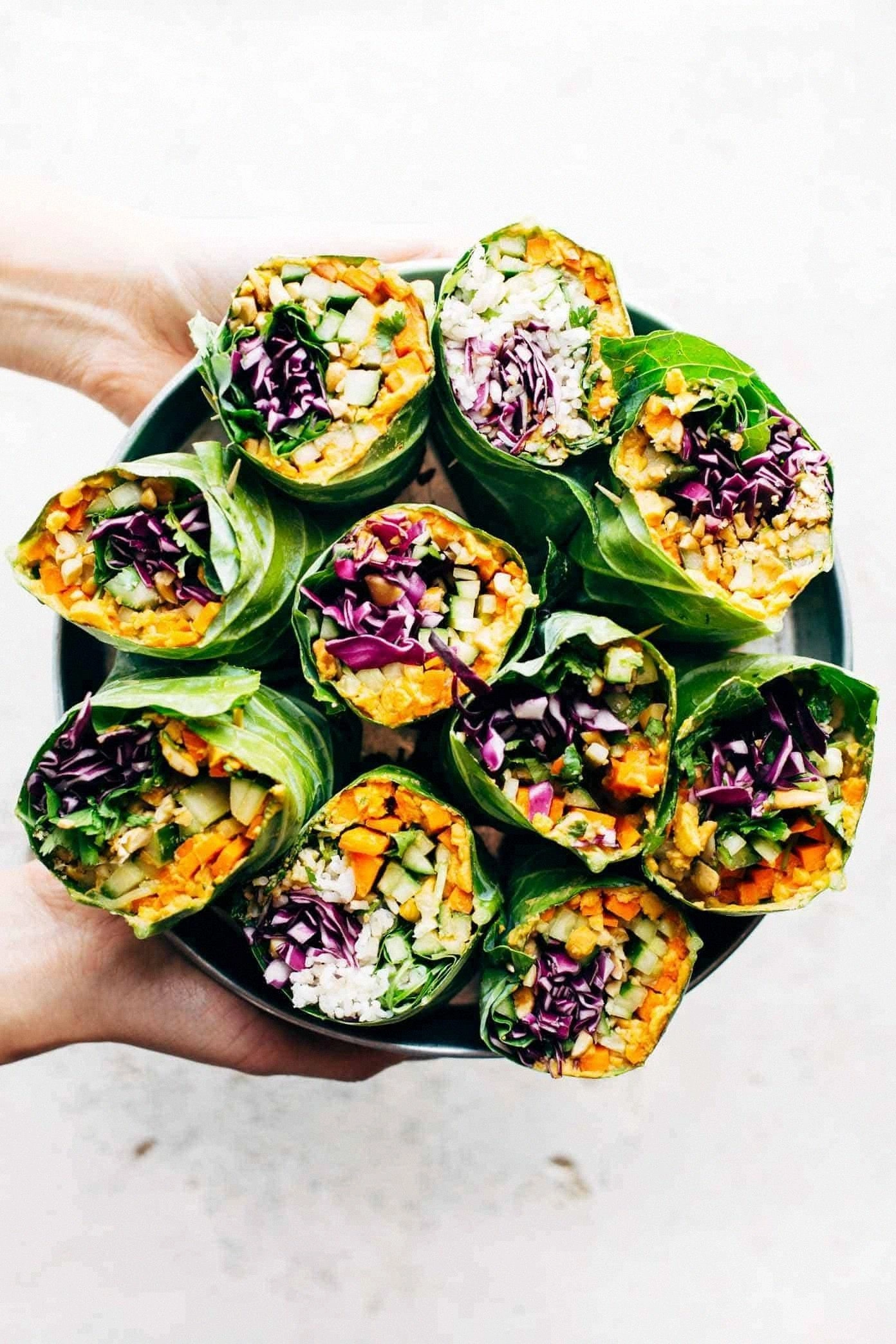
Fast forward an hour later, and the kitchen looked like a kaleidoscope exploded onto a plate. The roll‑ups were glistening with a glossy peanut sauce, each bite a cascade of colors that would make a TikTok influencer weep with envy. I dared you to taste this and not go back for seconds – seriously, I’d bet my favorite chef’s knife you’ll be begging for more. This version isn’t just a detox dish; it’s a celebration of texture, flavor, and the kind of clean eating that doesn’t feel like a punishment.
Most recipes get this completely wrong. They either drown the veggies in sauce or skip the crunch that makes every bite interesting. I’ve cracked the code by balancing the creamy peanut drizzle with a zingy lime‑ginger splash, and by using quinoa instead of rice to keep the carbs low while still delivering that satisfying bite. The secret ingredient? A splash of tamari that gives umami depth without the sodium overload. This is hands down the best version you’ll ever make at home, and I’m about to prove why.
Picture yourself pulling these roll‑ups out of the fridge, the whole kitchen smelling like an upscale Asian bistro, the colors popping brighter than a summer sunrise. The moment you dip one into the sauce, you’ll hear that satisfying snap of the rice paper, followed by the soft crunch of fresh veggies. This next part? Pure magic. Let me walk you through every single step – by the end, you’ll wonder how you ever made it any other way.
What Makes This Version Stand Out
- Taste: The peanut‑ginger sauce coats each bite like velvet, delivering a sweet‑savory punch that never overpowers the fresh veggies.
- Texture: You get a satisfying crunch from the cucumber and bell peppers, a buttery glide from avocado, and a gentle chew from quinoa.
- Simplicity: All ingredients are raw or quickly cooked; no complicated marinating or long fermentation steps.
- Uniqueness: The lime‑tamari drizzle adds a bright acidity that most detox rolls miss entirely.
- Crowd Reaction: Even meat‑eaters ask for the recipe, thinking it’s a secret indulgence.
- Ingredient Quality: Fresh, organic produce and high‑quality peanut butter make the difference between bland and brilliant.
- Cooking Method: No deep‑frying, just a quick steam and a flash of heat to seal the rice paper.
- Make‑Ahead Potential: Assemble the roll‑ups, store them airtight, and they stay crisp for up to 48 hours.
Inside the Ingredient List
The Flavor Base
Quinoa is the unsung hero here. Its nutty undertone anchors the bright vegetables and absorbs the lime‑tamari glaze without getting mushy. If you skip quinoa, the roll‑ups become a soggy mess of veggies that fall apart. For a gluten‑free guarantee, rinse the quinoa twice before cooking to eliminate any lingering bitterness. You can also swap quinoa for millet if you’re looking for a slightly softer bite.
The Texture Crew
Red cabbage, carrots, cucumber, and bell peppers form the colorful crunch brigade. Each vegetable brings a distinct snap: cabbage is crisp and slightly peppery, carrots add natural sweetness, cucumber offers refreshing juiciness, and bell peppers deliver a sweet‑acidic pop. If you miss any of these, consider using jicama or snap peas – they’ll keep the texture orchestra in tune. When selecting bell peppers, choose firm ones with glossy skins; wilted peppers will sap the roll‑ups of their vibrancy.
The Unexpected Star
Avocado is the buttery secret weapon. Its creamy richness balances the tangy sauce and prevents the roll‑up from feeling too dry. A ripe avocado should yield gently to pressure but not feel mushy – that’s the sweet spot. If you’re allergic or just not a fan, try thin slices of ripe mango for a tropical twist, though the texture will shift from buttery to silky.
The Final Flourish
The peanut‑ginger sauce ties everything together. Smooth peanut butter provides body, while ginger and garlic inject a subtle heat that awakens the palate. Lime juice adds brightness, tamari contributes depth, and a drizzle of honey smooths the edges. If you prefer a nut‑free version, swap peanut butter for sunflower seed butter – the flavor profile remains robust, and the texture stays silky.
Everything's prepped? Good. Let's get into the real action…
The Method — Step by Step
- Cook the quinoa. Rinse 2 cups of quinoa under cold water, then combine with 4 cups of water in a saucepan. Bring to a boil, reduce to a simmer, and cover for 15 minutes until the grains are fluffy and the water is absorbed. Fluff with a fork, drizzle with 2 tbsp lime juice, and set aside to cool – this cooling step is crucial because hot quinoa would wilt the fresh veggies later.
- Prep the vegetables. While the quinoa steams, thinly slice the red cabbage, carrots, cucumber, and bell peppers into match‑stick sized pieces. Toss them together in a large bowl with a pinch of salt; the salt draws out excess moisture, keeping the roll‑ups crisp. I dare you to taste a raw carrot stick now – that natural sweetness is the backbone of the dish.
- Make the peanut‑ginger sauce. In a bowl, whisk together ¼ cup smooth peanut butter, 2 tbsp warm water, 1 tsp grated ginger, 1 clove minced garlic, 2 tbsp tamari, 1 tsp honey, and a squeeze of lime. The sauce should be pourable but still thick enough to cling to the roll‑ups. Taste and adjust – a little more honey if you like sweetness, or extra tamari for a deeper umami punch.
- Soften the rice paper. Fill a shallow dish with warm water (not boiling). Submerge one rice paper sheet for about 10 seconds until it becomes pliable but not soggy. Lay it flat on a clean kitchen towel. This step is where many novices fail; over‑soaking makes the paper tear, under‑soaking makes it crack when you roll.
- Assemble the roll‑up. Place a thin layer of quinoa in the center of the softened rice paper, then add a handful of the mixed veggies, a few slices of avocado, and a sprinkle of fresh cilantro and mint. Drizzle a teaspoon of the peanut‑ginger sauce over the filling. Fold the sides inward, then roll tightly from the bottom up, like you’d roll a sushi maki. The roll should hold together without wobbling.
- Seal and rest. Once all rolls are assembled, place them seam‑side down on a plate, cover with a damp towel, and let them rest for 5 minutes. This brief resting period allows the rice paper to fully adhere, preventing the roll from unraveling when you cut it.
- Serve with extra sauce. Transfer the roll‑ups to a serving platter, slice each roll into bite‑size pieces, and drizzle the remaining peanut‑ginger sauce around the plate. The sauce should glisten like a satin ribbon, inviting you to dip each piece. A final squeeze of lime over the top adds a bright finish that elevates every mouthful.
- Enjoy and repeat. I’ll be honest — I ate half the batch before anyone else got to try it. The combination of fresh crunch, creamy avocado, and that nutty‑spicy sauce is addictive. Store any leftovers as instructed below, but trust me, you’ll be back for seconds before the sauce even dries.
Insider Tricks for Flawless Results
The Temperature Rule Nobody Follows
Never roll your rice paper over a cold countertop. The ambient chill makes the paper stiff, leading to cracks. Keep your work surface warm by laying a thin towel over a low‑heat heating pad for a minute before you start. This subtle warmth lets the rice paper stay supple, and the roll‑ups end up with perfect, even seams.
Why Your Nose Knows Best
When the quinoa finishes cooking, trust the aroma. If you smell a faint toasted note, it means the quinoa is perfectly fluffy. Over‑cooked quinoa releases a dry, papery scent, indicating it’s absorbed too much water and will become gummy. Use your nose as the final quality checkpoint before you mix it with lime juice.
The 5‑Minute Rest That Changes Everything
After assembling, let the rolls rest for exactly five minutes. This short pause lets the rice paper fully hydrate from the inner fillings, sealing the roll. Skipping this step is the most common reason rolls fall apart when you try to slice them. I once rushed this step and ended up with a sad, leaking mess – trust me, you don’t want that.
Sauce Consistency Check
Your peanut‑ginger sauce should coat a spoon but still run off slowly. If it’s too thick, whisk in a splash of warm water, one teaspoon at a time, until you reach a silky dribble. If it’s too thin, add a teaspoon of peanut butter; the sauce will thicken without losing flavor. This balance is the secret to that “coats like velvet” sensation.
The Secret of Fresh Herbs
Fresh cilantro and mint should be added at the very last second. Their volatile oils evaporate quickly, and if you let them sit too long, the roll‑ups lose that bright, herbaceous punch. I keep the herbs in a separate bowl, ready to sprinkle just before you roll. This ensures each bite bursts with garden‑fresh flavor.
Creative Twists and Variations
This recipe is a playground. Here are some of my favorite ways to switch things up:
Spicy Sriracha Kick
Add a teaspoon of sriracha to the peanut‑ginger sauce for a fiery undertone. The heat pairs beautifully with the cool cucumber and avocado, making the roll‑ups perfect for those who love a little burn.
Tropical Mango Burst
Swap half the bell peppers for ripe mango strips. The sweet mango balances the tangy sauce, turning the roll‑up into a beach‑vacation on a plate. Ideal for summer picnics or when you crave tropical vibes.
Protein Power
Add grilled tempeh or smoked tofu cubes for an extra protein punch. Marinate the tempeh in soy‑ginger sauce before grilling; the smoky notes deepen the flavor profile and make the dish more satiating.
Crunchy Nut Crumble
Sprinkle toasted sesame seeds or crushed peanuts over the top before serving. The extra crunch adds a textural surprise that elevates the bite from simple to spectacular.
Low‑Carb Wrap
Replace the rice paper with large lettuce leaves for a zero‑carb version. The lettuce adds a fresh snap, and the roll‑ups become handheld salads that you can eat on the go.
Storing and Bringing It Back to Life
Fridge Storage
Place the roll‑ups in an airtight container, separated by parchment paper to prevent sticking. They stay fresh for up to 48 hours. Before serving, give them a quick 2‑minute steam in the microwave (covered with a damp paper towel) to revive the rice paper’s flexibility.
Freezer Friendly
Wrap each roll individually in plastic wrap, then arrange them in a freezer‑safe zip bag. They freeze solid for up to 2 weeks. To reheat, thaw overnight in the fridge, then steam for 3‑4 minutes; the sauce will regain its silky sheen.
Best Reheating Method
Add a tiny splash of water (about a teaspoon) to the plate before microwaving for 30 seconds. The steam generated brings the roll‑ups back to their original plumpness without sogginess. Avoid high‑heat ovens; they dry out the delicate rice paper.