Picture this: I’m standing in a cramped apartment kitchen, the smell of garlic and onions dancing in the air, when I realize I’ve forgotten the one thing that can turn a decent dinner into a headline act—mushrooms. I’m staring at a pile of fresh shiitake and oyster mushrooms, and my friend’s dare echoes in my head: “I dare you to taste this and not go back for seconds.” My stomach grumbles, my senses flare, and I know I’m about to create a dish that will make the whole house hum with anticipation.
It starts with a splash of olive oil that sizzles when it hits the pan, sending a thin mist of fragrant steam into the air. The mushrooms, sliced into generous pieces, release a nutty aroma that mingles with the sharp bite of freshly minced garlic. I hear the subtle crackle of the sausage browning, a promise of savory depth. The sound of the pasta boiling, the gentle hiss of the sauce thickening, all combine into a symphony of cooking that feels almost cinematic. I can taste the anticipation already—rich, creamy, with a hint of citrus that cuts through the heaviness.
What makes this version stand out is that it’s not just the combination of ingredients; it’s the technique that elevates each component. I’ll show you how to sear the sausage just enough to lock in flavor, how to deglaze the pan with white wine to lift the mushroom essence, and how to finish with a splash of lemon that brightens the dish like a sunrise. I’ll also reveal a secret step that turns the sauce from ordinary to velvet‑smooth, a trick that most recipes overlook. By the end, you’ll wonder how you ever cooked bucatini without this game‑changer.
Let me walk you through every single step—by the end, you’ll wonder how you ever made it any other way. I’ll keep it playful, witty, and a bit opinionated, because who doesn’t love a cooking buddy that talks you through the kitchen chaos? If you’ve ever struggled to balance sauce thickness or get that perfect sear on sausage, you’re not alone—and I’ve got the fix. The journey starts with a bold statement: this is hands down the best version you’ll ever make at home.
What Makes This Version Stand Out
- Flavor Depth: The combination of fresh shiitake and oyster mushrooms creates a umami backbone that elevates every bite. Their earthy tones mingle with the sharpness of garlic and the subtle sweetness of the sausage. This layered flavor profile is what keeps guests coming back for more.
- Texture Contrast: The bucatini’s long, tubular shape holds the sauce like a velvet blanket, while the sausage offers a satisfying bite. The mushrooms provide a tender chew that contrasts beautifully with the silky cream. The result is a dance of textures in every forkful.
- Simplicity: Despite the gourmet ingredients, the recipe requires only a handful of steps and a single pan. No complex sauces or elaborate plating—just pure, honest cooking. It’s a reminder that great food doesn’t need to be complicated.
- Ingredient Quality: Using fresh, high‑quality produce and a good Italian sausage makes all the difference. The mushrooms should be firm and lightly browned, not mushy, and the sausage should retain its shape. This commitment to quality ensures a memorable meal.
- Make‑Ahead Potential: The sauce keeps well, and the bucatini can be reheated without losing its integrity. This makes it a perfect dish for busy weeknights or a last‑minute dinner party. The flavors actually deepen when rested.
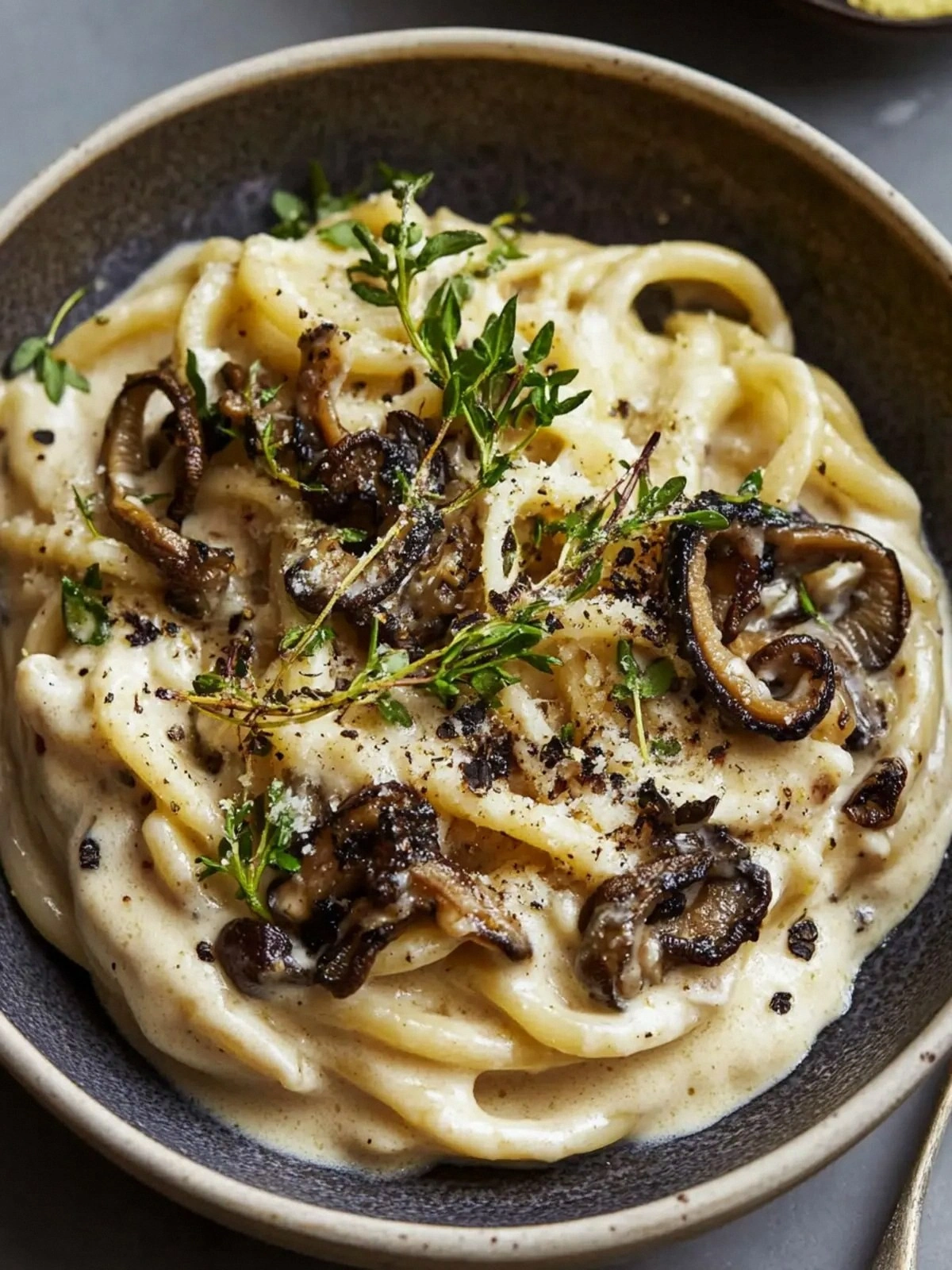
- Visual Appeal: The golden sauce glistening over the pasta, the vibrant green of the mushrooms, and the deep red of the sausage create a plate that looks as good as it tastes. Presentation is key, and this dish delivers.
- Audience Reaction: Friends and family often remark that the sauce is “like velvet on pasta.” Many say they can’t resist a second plate. The dish is a crowd‑pleaser, guaranteed to earn compliments.
- Seasonal Versatility: While mushrooms are in season during fall, this recipe works year‑round thanks to the pantry staples. It’s adaptable, making it a staple in any kitchen.
Inside the Ingredient List
The Flavor Base
Olive oil is the first layer of flavor, and it’s the canvas on which all the other ingredients paint their stories. A tablespoon of good extra‑virgin olive oil carries a fruity note that lingers when the dish is finished. The second tablespoon of olive oil is reserved for the final sauté of the mushrooms, ensuring they stay bright and avoid a soggy texture. If you’re watching calories, you can replace half of the oil with a splash of vegetable broth, but the richness will be slightly diminished.
Fresh garlic, minced to release its essential oils, provides a pungent kick that balances the earthiness of the mushrooms. Four cloves might seem like a lot, but the garlic’s flavor is subtle enough to complement without overpowering. If you’re sensitive to garlic, reduce to two cloves, but remember the dish’s signature depth will soften. Garlic also helps to break down the starches in the pasta, giving the sauce a silkier coating.
The shallot, finely chopped, adds a delicate sweetness that cuts through the savory sausage. Its mild onion flavor is more refined than a regular onion, and it caramelizes beautifully when sautéed. A medium shallot offers enough volume to create a balanced base. If you can’t find shallots, a small onion works, but adjust the salt accordingly.
The Texture Crew
The 12 ounces of bucatini pasta are the star of the show. Their long, hollow shape is perfect for holding the creamy sauce, and they cook faster than thicker pastas. Use a generous amount of salted water; the pasta needs room to move. A common mistake is to use too little water, which causes the pasta to stick together.
The mild or spicy Italian sausage adds both protein and a burst of flavor. A pound of sausage is ideal for four servings, ensuring each plate has a generous portion. If you prefer a milder taste, opt for a leaner sausage; if you love heat, choose a spicy variety. The sausage should be crumbled into small pieces to maximize surface area for browning.
Two cups of fresh oyster mushrooms and two cups of fresh shiitake mushrooms bring a mushroom medley that balances texture and umami. Oyster mushrooms are delicate and slightly sweet, while shiitake mushrooms offer a meaty bite. Slicing them into uniform pieces ensures even cooking. If you’re short on fresh mushrooms, dried mushrooms rehydrated in warm water can work as a substitute, but the flavor profile will shift.
The Unexpected Star
Dry white wine, half a cup, is more than just a liquid; it’s a deglazer that lifts the browned bits from the pan, creating a rich base for the sauce. The alcohol evaporates quickly, leaving behind a subtle acidity that brightens the dish. If you’re not comfortable cooking with wine, a splash of chicken stock can replace it, but the flavor will be less complex.
Heavy cream, one cup, is the crowning glory that turns the sauce into a silky, luxurious coat. It’s the source of the velvety texture that clings to the pasta. For a lighter version, use half‑and‑half or a plant‑based cream, but expect a thinner sauce.
Chicken stock, half a cup, is added to thin the sauce to the perfect consistency. It also enriches the broth, adding depth to the flavor. If you don’t have stock, use water with a pinch of bouillon cubes, but the overall taste will be slightly flatter.
The Final Flourish
Crushed red pepper, half a teaspoon, provides a gentle heat that lingers without overwhelming the dish. It’s a subtle nod to the sausage’s spiciness, creating harmony. If you prefer no heat, simply omit the pepper or replace it with a pinch of smoked paprika for a smoky note.
Kosher salt, one teaspoon, and black pepper, half a teaspoon, are the finishing touches that balance the sauce. Salt enhances every flavor, while pepper adds a mild bite. Use freshly ground pepper for a more aromatic experience.
Lemon zest, one teaspoon, and fresh lemon juice, two tablespoons, are the final brighteners that cut through the richness. The zest adds a fragrant citrus note, while the juice adds acidity. If you’re allergic to citrus, a splash of vinegar can replace the juice, but the brightness will differ.
Everything’s prepped? Good. Let’s get into the real action.
The Method — Step by Step
- Begin by bringing a large pot of salted water to a rolling boil. Add the bucatini and cook until al dente, about 10 minutes. Reserve a cup of pasta water before draining. The pasta should still have a slight bite to it, like a chewy rubber band. This texture will hold the sauce better. Let the pot drain and set aside.
- While the pasta cooks, heat one tablespoon of olive oil in a large skillet over medium heat. Add the crumbled sausage and cook until browned and crispy on the edges, about 5 minutes. The sausage should release its fat, creating a flavorful base. Stir occasionally to prevent sticking. This step locks in the savory juices that will become the sauce’s foundation. The aroma should make your kitchen feel like a trattoria.
- Add the chopped shallot to the skillet, cooking until translucent, about 2 minutes. The shallot should soften without browning. Then add the minced garlic and crushed red pepper, sautéing for another 30 seconds until fragrant. The garlic’s aroma should rise, signaling readiness. This combination forms the aromatic backbone of the dish.
- Introduce the sliced oyster and shiitake mushrooms to the pan. Sauté until they release their moisture and begin to brown, about 7 minutes. The mushrooms should develop a golden crust. This caramelization deepens the umami. Keep the heat moderate to avoid burning.
- Deglaze the pan with half a cup of dry white wine, scraping up any browned bits. Let the wine reduce by half, concentrating its flavor. The pan should emit a sweet, citrusy scent. This step pulls the savory bits into the sauce. Watch the liquid evaporate quickly, or the sauce will become watery.
- Stir in the chicken stock and bring to a gentle simmer. Allow the mixture to thicken slightly, about 3 minutes. The sauce should coat the back of a spoon. This creates a smooth base that will mingle with the cream.
- Pour in the heavy cream, stirring constantly. Reduce the heat to low and let the sauce simmer until it reaches a silky consistency, about 5 minutes. The sauce should cling to the pasta when you lift a spoon. If it becomes too thick, add a splash of reserved pasta water to loosen it.
- Return the cooked bucatini to the skillet, tossing to coat evenly. Add the lemon zest and fresh lemon juice, stirring to combine. The citrus should brighten the dish, cutting through the creaminess. Adjust salt and pepper to taste. The pasta should look glossy and inviting.
- Serve immediately, garnishing with fresh parsley or grated Parmesan if desired. The dish should look like a glossy, earthy masterpiece. The aroma should be intoxicating. Plate with confidence, knowing you’ve created something special.
- Enjoy while hot, and remember that the flavors will deepen if left to rest for 5 minutes before serving. This resting period allows the sauce to thicken slightly, creating a richer bite. If you’re a perfectionist, let it sit in a covered dish for 10 minutes; the flavors will meld beautifully.
That's it — you did it. But hold on, I've got a few more tricks that'll take this to another level.
Insider Tricks for Flawless Results
The Temperature Rule Nobody Follows
Many cooks think a high heat is the secret to a great sauce, but it actually burns the cream. Keep the heat low once you add the cream, and let it simmer gently. This ensures the sauce thickens without scorching, preserving the delicate balance of flavors.
Why Your Nose Knows Best
Before you taste, sniff the sauce. A sharp, citrusy scent indicates the lemon is balanced. If it smells too buttery, give it a quick stir and let it reduce a bit more. Your nose is a reliable guide to the dish’s readiness.
The 5-Minute Rest That Changes Everything
Let the dish sit for 5 minutes after plating. The pasta will absorb some of the sauce, creating a richer bite. Many chefs swear by this step; it’s the difference between good and unforgettable.
Use Fresh Herbs, Not Dried
Fresh parsley or basil added at the end brightens the dish. Dried herbs lose their potency during cooking, so reserve them for earlier stages. The fresh herbs add a burst of color and aroma that elevates the plate.
Don’t Skimp on the Salt
Salt is the flavor enhancer. Taste the sauce after each major addition and adjust. A well‑seasoned dish will have a balanced profile that lets every component shine.
Creative Twists and Variations
This recipe is a playground. Here are some of my favorite ways to switch things up:
Spicy Cajun Version
Swap the Italian sausage for a spicy Cajun sausage and add a dash of cayenne. The heat will complement the mushrooms and create a bold, Southern‑inspired dish. Serve with a side of cornbread for contrast.
Vegan Take
Replace the sausage with crumbled tempeh or tofu, use coconut cream instead of heavy cream, and substitute chicken stock with vegetable broth. The dish remains creamy and satisfying, but now it’s plant‑based.
Truffle Twist
Finish the sauce with a drizzle of truffle oil and a sprinkle of shaved Parmesan. The truffle adds an earthy depth that pairs beautifully with the mushrooms. This version is perfect for a special occasion.
Herb‑Infused Variation
Incorporate fresh thyme and rosemary into the sautéed mushrooms. The herbal aroma will add a forest‑like scent. Pair with a light white wine for a Mediterranean feel.
Low‑Carb Adaptation
Swap bucatini for zucchini noodles or shirataki noodles. Keep the sauce the same but reduce the portion size. This keeps the dish low‑carb while maintaining flavor.
Breakfast‑Style Spin
Use breakfast sausage instead of Italian sausage, and serve the dish over scrambled eggs. The creamy sauce will coat the eggs, making a hearty brunch option.
Storing and Bringing It Back to Life
Fridge Storage
Store the sauce and pasta separately in airtight containers. Keep the sauce in the refrigerator for up to 3 days. The pasta should be kept in a separate container to avoid sogginess.
Freezer Friendly
Freeze the sauce in a freezer‑safe container for up to 2 months. Reheat slowly over low heat, adding a splash of water or stock to revive the texture. The pasta can be frozen for up to 1 week in an airtight bag.
Best Reheating Method
Reheat the sauce in a saucepan over low heat, stirring frequently. Add a small amount of water or stock to prevent it from thickening too much. The pasta can be warmed in a microwave or boiled briefly for a quick revival.