I still remember the Tuesday night I ruined three chicken breasts and nearly set off every smoke detector in my apartment. Picture this: me, a wooden spoon clenched like a sword, staring into a skillet that looked more like a charcoal pit than dinner. The sauce? Separated, greasy, and tasting like someone had dissolved a yellow crayon in heavy cream. I ordered take-out, sulked through two episodes of my comfort show, and then—because I am nothing if not stubborn—decided I would crack the code on a creamy Dijon sauce that actually sang instead of whimpered. Five pounds of chicken, two tubs of crème fraîche, and one existential crisis later, this one-pan wonder was born.
What makes this version different is that it doesn’t play it safe. We’re not just whisking Dijon into cream and calling it a day; we’re building layers the same way you’d build a jazz solo—starting with rendered chicken fat, adding aromatics that practically pirouette in the pan, then finishing with a silky emulsion that coats each fiber of meat like velvet evening gloves. I dare you to taste this and not go back for seconds. In fact, I confess I ate half the batch before anyone else got to try it, hovering over the stove with a hunk of crusty bread, swiping sauce like a bandit.
Picture yourself pulling this out of the oven, the whole kitchen smelling like a French bistro that accidentally landed in the middle of your weekday chaos. The scent is bright and peppery from the mustard, but there’s this buttery undertone that makes your neighbors knock politely and ask if you’re “making something fancy.” You’ll smile, wipe your hands on the dish-towel-turned-cape, and tell them it’s just Tuesday. But between you and me, this is hands-down the best version you’ll ever make at home, and it happens in under forty-five minutes with a single skillet and zero drama.
Stay with me here—this is worth it. We’re going to brown the chicken so the fond (those gorgeous sticky bits) becomes the backbone of the sauce. We’ll deglaze with a splash of vermouth that lifts every caramelized note, then swirl in cream and two types of mustard for a complexity that tastes like you spent all day. Let me walk you through every single step—by the end, you’ll wonder how you ever made it any other way.
What Makes This Version Stand Out
Okay, ready for the game-changer? Most recipes get this completely wrong by adding the mustard too early, killing its vibrant heat and turning the sauce drab. Here’s what actually works:
- Two-Mustard Magic: A punch of whole-grain for pops of caviar-like texture plus smooth Dijon for that sharp backbone. They marry but stay sassy.
- Chicken-Fat Roux: Instead of butter and flour, we use the golden schmaltz left in the pan plus a whisper of flour for nutty depth. Zero waste, maximum flavor.
- Flash Simmer: Cream hits the pan off-heat so it stays stable. No more grainy, split sadness—just glossy luxury.
- One-Pan Promise: Everything from sear to sauce happens in the same skillet. Fewer dishes means you can spend more time twirling pasta or, better, refilling your glass.
- Restaurant-Level Thermometer Trick: Pull the chicken at exactly 160 °F; carry-over heat will coast it to 165 °F while it rests. Juicy, never sawdust.
- Make-Ahead Friendly: Sauce reheats like a dream with a splash of stock and a gentle whisk—perfect for meal-preppers or lazy Fridays.
- Crusty-Bread Mandatory: You’ll need something to swipe the pan. Resistance is futile.
Alright, let’s break down exactly what goes into this masterpiece, starting with the cast of characters who refuse to be wallflowers.
Inside the Ingredient List
The Flavor Base
First up, boneless skin-on chicken thighs. I can hear you asking, “But breasts are leaner!” Sure, and cardboard is leaner than cake. Thighs forgive forgetful cooks, staying juicy even if you accidentally scroll TikTok for an extra minute. Their skin renders into liquid gold that we’ll use as our free flavor booster. If you’re die-hard breast loyal, swap in skin-on breasts but watch the thermometer like Netflix watches your weekend.
Next, kosher salt—skip the fine iodized stuff that tastes like tears of regret. Kosher’s fluffy crystals cling evenly and season without oversalting. Then freshly cracked black pepper: the pre-ground dust has as much pep as elevator music. Finally, a neutral oil with a high smoke point (sunflower or grapeseed) to get that skin singing without bitter off-notes.
The Texture Crew
Shallots are the introverted cousin of onions; sweeter, more refined, and they melt into the sauce like they were always meant to be there. Garlic joins late so it doesn’t burn. For cream, I use heavy whipping cream with at least 36 % fat—anything lighter and you’re flirting with a watery breakup. A spoon of all-purpose flour thickens just enough to nap the back of a wooden spoon in velvety slow motion.
The Unexpected Star
Here’s where we detour from the tourist trail: a teaspoon of honey. Not enough to make the sauce cloying—just enough to round the mustard’s edges and create that restaurant sheen. Trust me, you won’t taste honey; you’ll just taste “Why is this so addictive?”
The Final Flourish
Fresh thyme leaves, because dried thyme in a creamy sauce can feel like lawn clippings. A squeeze of lemon wakes everything up the way your favorite song does at 7 a.m. Finally, flat-leaf parsley for color and a grassy pop. If you’ve only got curly, nobody’s calling the food police, but flat-leaf is the friend who brings the good wine.
Everything’s prepped? Good. Let’s get into the real action...
The Method — Step by Step
-
Pat the chicken thighs very, very dry with paper towels—moisture is the enemy of crisp. Season both sides generously with kosher salt and cracked pepper, pressing so the crystals adhere. Heat a 12-inch stainless or cast-iron skillet over medium-high for two minutes; add just enough oil to shimmer but not smoke. Lay the chicken skin-side down and do not move it for six full minutes. That sizzle when it hits the pan? Absolute perfection. You want golden, shatter-crisp skin that could win awards.
-
Flip once the skin releases without tugging; cook the second side another five minutes. Transfer chicken to a warm plate (don’t you dare put it on a cold plate—restaurant 101). The bottom of your pan should look like a mosaic of caramelized specks. If it’s black instead of mahogany, lower the heat next time, but we can still save this session.
-
Pour off all but two tablespoons of the rendered fat; keep the golden stuff, ditch any burnt bits. Reduce heat to medium and scatter in finely minced shallots. Stir with a wooden spoon, scraping up the fond as the shallots sweat and turn translucent—about two minutes. Add one small clove of micro-planed garlic and cook just thirty seconds; you want fragrance, not bitterness.
-
Sprinkle in a teaspoon of flour and stir continuously for a minute to form a pale roux. It should smell faintly nutty like toasted hazelnuts. Now, and only now, pour in a quarter cup of dry vermouth. It will hiss and steam like an angry cat, lifting every browned bit into a glossy gravy. Let the alcohol bubble off for thirty seconds.
-
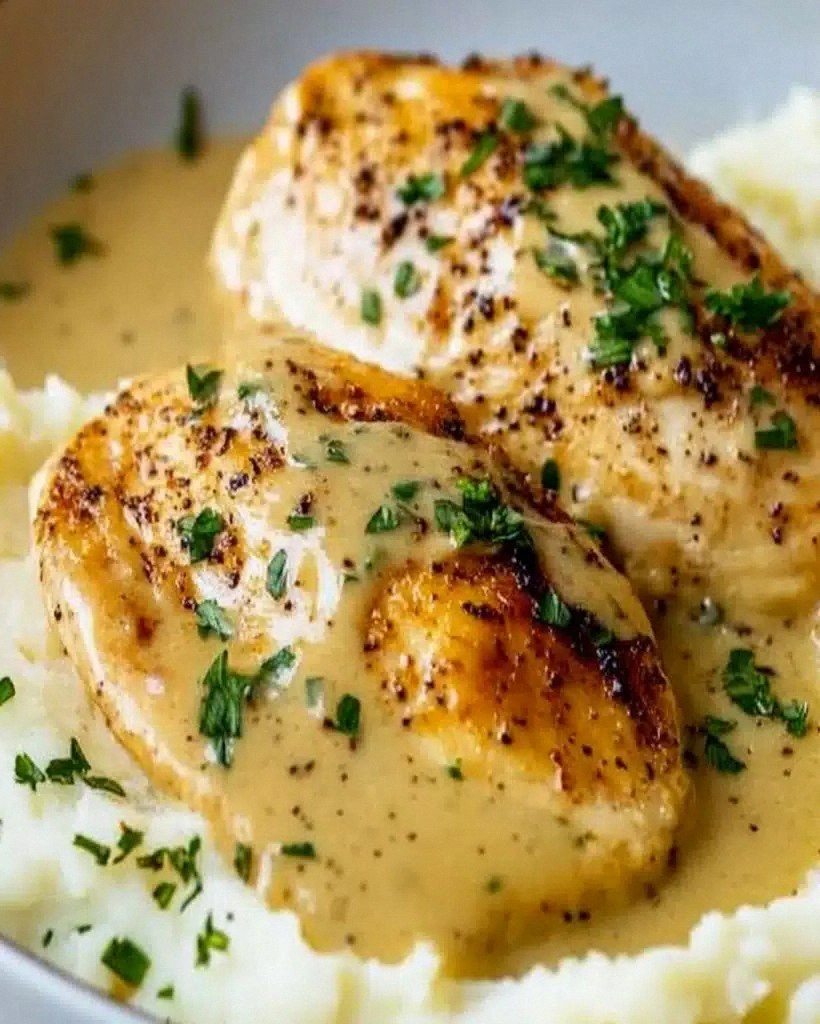
Remove the pan from direct heat—this next part? Pure magic. Slowly pour in three quarters of a cup of cold heavy cream while whisking. Cold cream is less likely to split when it meets the hot pan. Return to low heat and whisk in both mustards, honey, and a pinch of fresh thyme. The sauce will thicken just enough to coat the back of a spoon within two minutes.
-
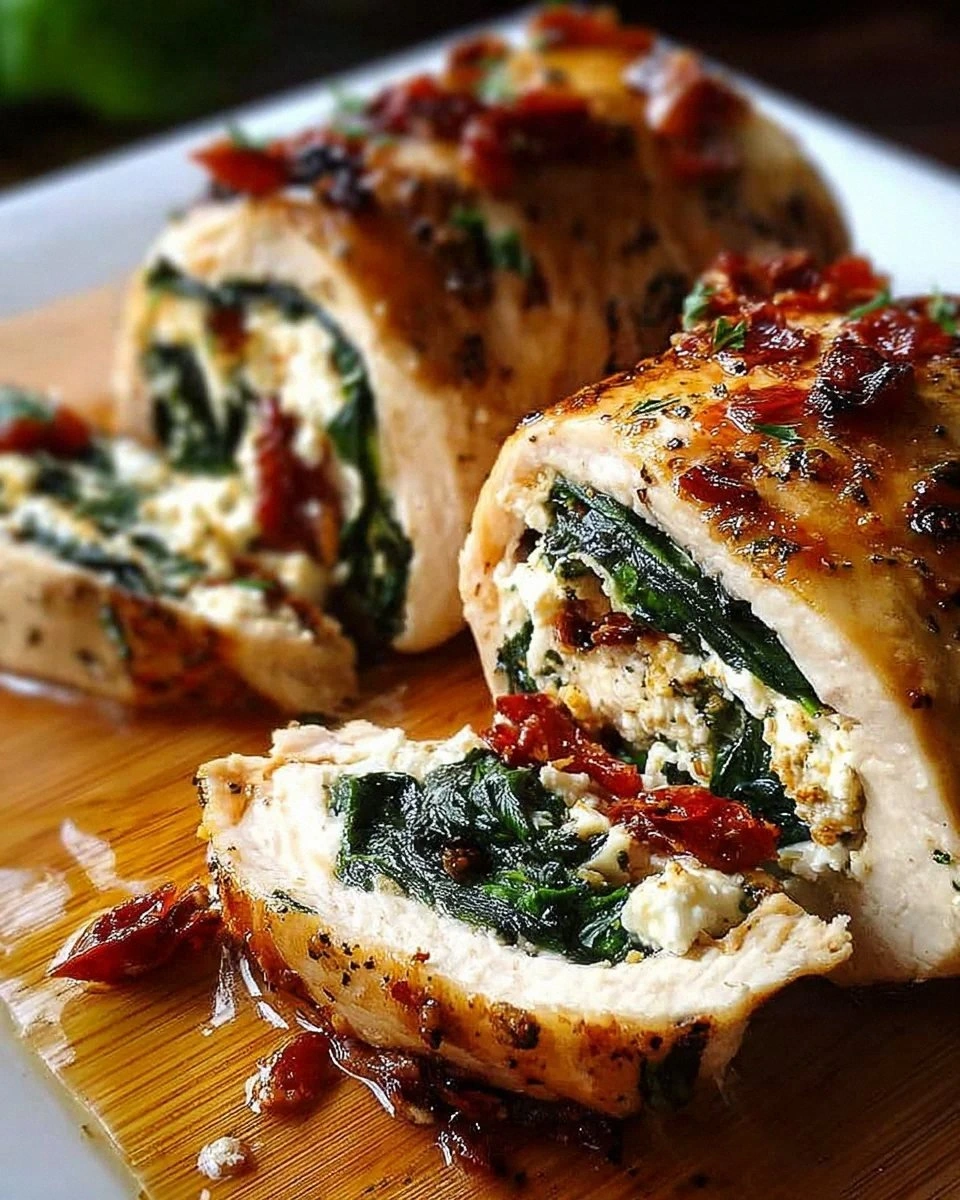
Nestle the chicken back into the pan skin-side up so the crispiness stays above the liquid. Simmer gently for five minutes to marry flavors and finish cooking the meat to 165 °F. Spoon sauce over the top like you’re tucking it into bed.
-
Finish with a squeeze of half a lemon, taste, and adjust salt. Shower on chopped parsley for color. Serve straight from the skillet—because who needs extra dishes when you’ve got pan sauce this good?
That’s it—you did it. But hold on, I’ve got a few more tricks that’ll take this to another level, starting with the temperature rule nobody follows.
Insider Tricks for Flawless Results
The Temperature Rule Nobody Follows
Pull the chicken off the heat at 160 °F and let carry-over cooking do the final five degrees. A friend tried skipping this step once—let’s just say it ended with shoe-leather thighs and a very sad face emoji texted to the group chat. An instant-read thermometer is cheaper than therapy.
Why Your Nose Knows Best
If the pan smells acrid instead of nutty, your roux is burning. Drop the heat immediately and whisk in a tablespoon of water; it buys you time and cools the surface. Your nose is the original smart kitchen gadget—trust it.
The 5-Minute Rest That Changes Everything
After the final simmer, let the skillet sit off heat for five minutes. The sauce tightens, the flavors round, and you get to pour another glass of that vermouth you already opened. Patience is delicious.
Creative Twists and Variations
This recipe is a playground. Here are some of my favorite ways to switch things up:
Smoky Paprika Version
Add half a teaspoon of smoked paprika to the roux; it gives a backyard-grill vibe even in the dead of winter. Perfect for those who want barbecue flavor without stepping into the snow.
Mushroom Lovers’ Lane
Throw in a cup of sliced creminis after the shallots; let them brown and release their earthy juices. The sauce becomes woodland-mysterious and tastes like you foraged it yourself.
Green Peppercorn Kick
Swap the honey for a teaspoon of brined green peppercorns. The gentle heat pops in your mouth like tiny caviar firecrackers—date-night impressive.
Dairy-Light Dream
Use half coconut cream and half chicken stock; you’ll get silkiness with a faint tropical whisper. Great for the lactose-sensitive but still craving decadence.
Herb Garden Remix
Replace thyme with tarragon and finish with chervil. Suddenly you’re in a Provence marketplace, sandals optional.
Spicy Honey Heat
Use chili-infused honey and add a pinch of cayenne. It’s sweet, fiery, and completely addictive—my roommate calls it “dinner candy.”
Storing and Bringing It Back to Life
Fridge Storage
Cool completely, then transfer to an airtight glass container; it keeps up to four days. The flavors actually improve overnight, so tomorrow’s lunch will taste like you planned it that way.
Freezer Friendly
Freeze in portion-size silicone bags for up to two months. Lay flat so they stack like delicious filing cabinets. Thaw overnight in the fridge, not the microwave—slow and steady keeps the sauce smooth.
Best Reheating Method
Add a splash of chicken stock to a small pan, slide in the chicken and sauce, cover, and warm over low heat. Ten minutes later it’s as luscious as day one. Add a tiny splash of water before reheating—it steams back to perfection.