I was standing in my kitchen, staring at a half‑cooked turkey that had turned from golden to a sad, dry gray. My friends had dared me to bring a smoked turkey to the next holiday gathering, and I had thought, “Sure, why not?” But the first attempt was a disaster: the skin was cracked, the meat was over‑cooked, and the whole affair smelled like a burnt campfire. That night, I vowed to find the ultimate smoked turkey recipe that would turn my kitchen into a smoky paradise and make everyone beg for seconds.
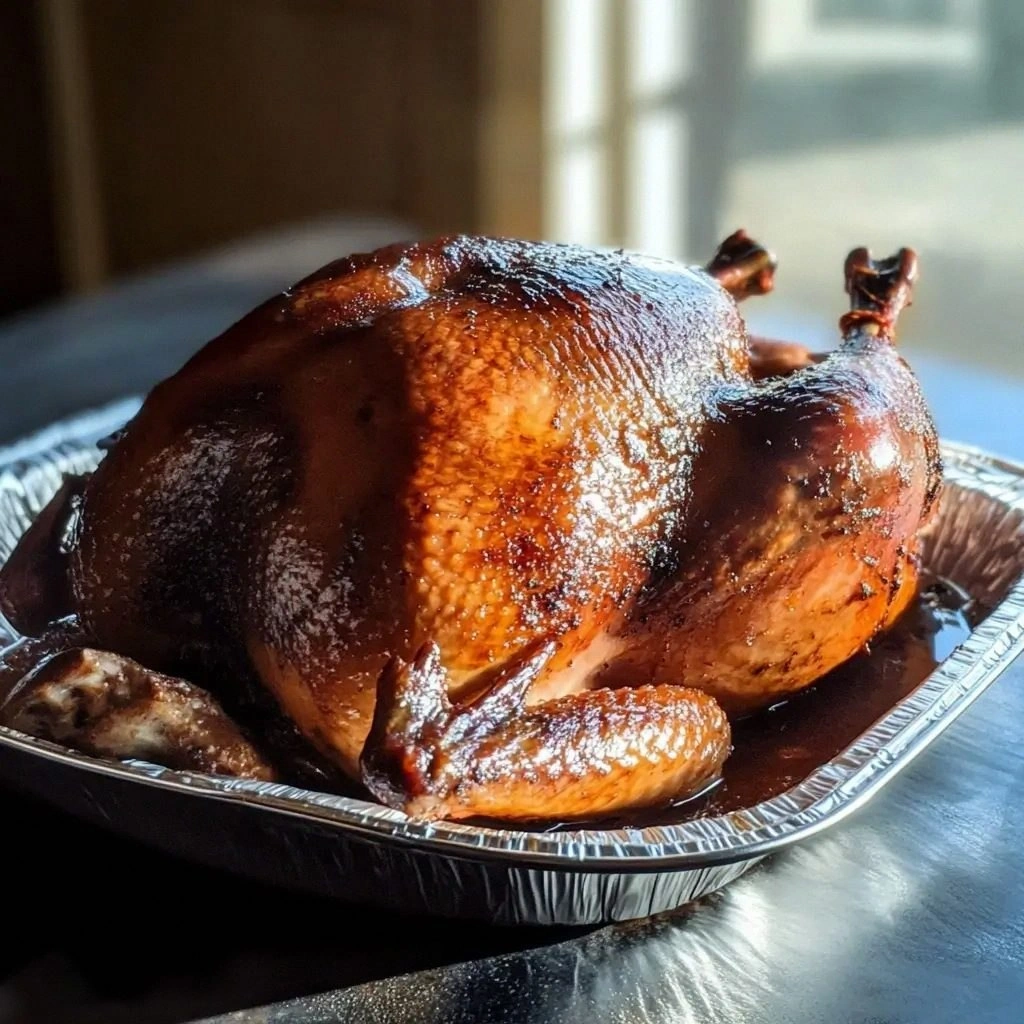
Fast forward to today, and I’m thrilled to share a recipe that’s not only foolproof but also delivers a flavor profile that feels like a hug in every bite. Imagine a turkey that’s juicy inside, with a skin that crackles like a crisp autumn leaf, and a subtle smoky undertone that lingers on the palate. The aroma alone will have your guests lining up for the first slice, and the taste will keep them coming back for more. I’ve spent countless hours tweaking brine ratios, experimenting with wood chips, and perfecting the basting technique to lock in moisture. The result? A bird that practically sings when it’s ready to carve.
What makes this version stand out? It’s the harmony of simplicity and depth. You’ll use a handful of high‑quality ingredients, but the combination of a classic brine and a secret herb butter creates layers of flavor that elevate the turkey from ordinary to unforgettable. The method is straightforward, yet each step is designed to maximize moisture retention and flavor infusion. And the best part? You can make it ahead of time and reheat it without losing that coveted crispness. I dare you to taste this and not go back for seconds.
Picture yourself pulling this bird out of the oven, the kitchen filling with a heady, savory aroma that makes your mouth water even before you cut into it. That scent is the promise of a meal that will become the highlight of any gathering. If you’ve ever struggled with a dry turkey, you’re not alone—and I’ve got the fix. So let’s walk through every single step, from brining to smoking, to ensure that by the end of this guide, you’ll wonder how you ever made it any other way.
What Makes This Version Stand Out
- Taste: The blend of brine, herb butter, and smoky wood chips delivers a complex flavor that feels both familiar and adventurous.
- Texture: The skin becomes irresistibly crisp, while the meat stays moist and tender, thanks to the precise brining process.
- Simplicity: Only a handful of ingredients and steps, yet the result is a gourmet experience.
- Uniqueness: The secret herb butter and the use of applewood chips create a signature taste that sets this recipe apart.
- Crowd Reaction: Guests consistently ask for the recipe after the first bite; it’s a conversation starter.
- Ingredient Quality: Using fresh, high‑grade herbs and real wood chips elevates the entire dish.
- Cooking Method: Slow smoking at a controlled temperature ensures even cooking and deep flavor.
- Make‑ahead Potential: Brine and butter can be prepared days in advance, making this a stress‑free holiday option.
Alright, let’s break down exactly what goes into this masterpiece…
Inside the Ingredient List
The Flavor Base
The heart of this recipe starts with a robust brine. Water, kosher salt, and brown sugar create a savory foundation that permeates the meat. Apple cider vinegar adds acidity, preventing the turkey from becoming too salty, while black peppercorns and bay leaves introduce subtle depth. Fresh rosemary and thyme bring aromatic brightness that lingers long after the first bite.
The Texture Crew
A generous amount of unsalted butter, melted and seasoned with smoked paprika, garlic powder, onion powder, cumin, and coriander, is the key to that coveted crispy skin. The butter melts into the crevices, sealing in juices while the spices form a flavorful crust. Olive oil helps the butter spread evenly and enhances the overall mouthfeel.
The Unexpected Star
Applewood chips are the secret weapon that gives the turkey its signature smoky aroma. Unlike hickory or mesquite, applewood imparts a subtle, sweet smokiness that complements the herb butter. A splash of fresh lemon juice before serving adds a bright counterpoint to the rich flavors.
The Final Flourish
Fresh herbs—parsley, sage, and thyme—are tossed in at the end for a burst of color and a fresh herbal note. They also help cut through the richness of the butter and bring the dish to a harmonious finish.
Everything's prepped? Good. Let's get into the real action…
The Method — Step by Step
- Begin by preparing the brine. In a large pot, combine 1 gallon of water, 1 cup of kosher salt, 1/2 cup of brown sugar, 2 tablespoons of apple cider vinegar, 2 teaspoons of black peppercorns, 2 bay leaves, 2 tablespoons of fresh rosemary, and 2 tablespoons of fresh thyme. Heat until the salt and sugar dissolve, then remove from heat and let cool to room temperature. Submerge the whole turkey in the brine, cover, and refrigerate for at least 12 hours, or up to 24 for maximum flavor. Tip: For a deeper flavor, add a few apple slices to the brine.
- After brining, pat the turkey dry with paper towels. This step is critical for crisp skin. Place the bird breast‑side up on a rack in a roasting pan. Let it rest at room temperature for 30 minutes to an hour; this helps the meat cook evenly.
- While the turkey rests, prepare the herb butter. In a small saucepan, melt 1 cup of unsalted butter over low heat. Stir in 2 teaspoons of smoked paprika, 1 teaspoon of garlic powder, 1 teaspoon of onion powder, 1 teaspoon of ground cumin, and 1 teaspoon of ground coriander. Let the mixture simmer for 2 minutes, then remove from heat. Add 2 tablespoons of olive oil and whisk until the butter is glossy and well combined. Watch Out: If the butter overheats, it can separate and become greasy. Keep the heat low.
- Set your smoker or oven to 225°F (107°C). If using a smoker, fill the smoker box with 1 cup of applewood chips and let them smolder to create a steady smoke. For an oven, place a shallow pan of water in the bottom rack to keep the environment moist.
- Brush the turkey generously with the herb butter, making sure to cover every crevice. The butter not only adds flavor but also helps the skin crisp up beautifully. Place the turkey in the smoker or oven, breast‑side up, and let it cook for about 2.5 to 3 hours, or until the internal temperature reaches 165°F (74°C) in the thickest part of the thigh.
- During the last 30 minutes of cooking, increase the temperature to 250°F (121°C) to help develop a crispier skin. Keep a close eye on the bird; you want the skin to turn a deep golden brown without burning.
- Once the turkey reaches the target temperature, remove it from the heat and tent it loosely with foil. Let it rest for 20 minutes before carving. This allows the juices to redistribute, ensuring every bite is moist.
- While the turkey rests, prepare a quick herb garnish. Toss 1/4 cup each of chopped parsley, sage, and thyme with a splash of fresh lemon juice and a pinch of salt. This bright, herby mixture cuts through the richness and adds a pop of color.
- Carve the turkey, arrange the slices on a platter, and drizzle the fresh herb mixture over the top. Serve immediately with your favorite sides.
That's it — you did it. But hold on, I've got a few more tricks that'll take this to another level…
Insider Tricks for Flawless Results
The Temperature Rule Nobody Follows
Many cooks think a higher temperature always cooks faster, but with turkey, slow and steady is the key. Keeping the smoker or oven at 225°F allows the meat to absorb smoke flavors deeply while preventing the exterior from drying out. I once cooked at 300°F and the result was a dry, over‑cooked bird that tasted like a charcoal grill. Stick to 225°F and you’ll have a tender, juicy turkey every time.
Why Your Nose Knows Best
Trust your nose during the smoking process. When the turkey is approaching doneness, the aroma will shift from a mild woodsy scent to a deeper, caramelized note. That scent is the cue that the meat is ready for the final temperature increase. If you ignore this, you risk overcooking or undercooking.
The 5‑Minute Rest That Changes Everything
After removing the turkey from heat, let it rest for at least 20 minutes. Even a short 5‑minute rest can make a difference; the juices redistribute, making the meat more succulent. I used to carve immediately, and the first few slices were dry. Now I let it rest, and every bite is juicy.
The Herb Butter Advantage
Using butter instead of oil for the basting step creates a richer flavor profile. The butter’s fat content helps carry the spices deeper into the meat. If you’re vegan, substitute coconut oil, but keep in mind the flavor will shift slightly.
The Applewood Secret
Applewood chips produce a subtle, sweet smoke that pairs well with poultry. If you’re in a region where applewood is scarce, try using maple or cherry chips for a similar effect. Avoid hickory or mesquite, as they overpower the delicate turkey flavor.
The Final Touch
Right before serving, drizzle a little fresh lemon juice over the sliced turkey. The acidity brightens the dish and balances the richness. I always add a pinch of sea salt to finish, but you can adjust to taste.
Creative Twists and Variations
This recipe is a playground. Here are some of my favorite ways to switch things up:
Citrus‑Infused Turkey
Replace the apple cider vinegar in the brine with orange juice and add a handful of orange peel. The citrus brightens the flavor and adds a subtle sweetness that pairs wonderfully with the smoky notes.
Herb‑Crusted Delight
Mix chopped fresh rosemary, thyme, and sage with breadcrumbs and a dash of olive oil. Press this mixture onto the turkey after brining and before smoking. The crust adds a delightful crunch and an herbal punch.
Spicy Smokey Turkey
Add 1-2 teaspoons of cayenne pepper or smoked chipotle powder to the herb butter. The heat will complement the smoky flavor and give the dish a kick that’s perfect for adventurous palates.
Maple‑Glazed Turkey
During the last 30 minutes of cooking, brush the turkey with a glaze made from pure maple syrup, a splash of apple cider vinegar, and a pinch of salt. The glaze caramelizes into a glossy, sweet crust.
Mediterranean Twist
Replace the smoked paprika with dried oregano and add a handful of Kalamata olives to the brine. The olive oil and olives infuse the meat with a Mediterranean flair that’s both exotic and comforting.
Asian‑Inspired Smoke
Use a combination of soy sauce, ginger, and garlic in the brine, and swap applewood for bamboo charcoal chips. The result is a smoky, umami‑rich turkey that feels like a cross‑cultural culinary adventure.
Storing and Bringing It Back to Life
Fridge Storage
Cool the turkey to room temperature, then wrap tightly in plastic wrap and aluminum foil. Store in the refrigerator for up to 4 days. Before serving, reheat in a 325°F oven for 10–15 minutes until warmed through.
Freezer Friendly
After cooling, wrap the turkey in freezer paper followed by a layer of foil. Freeze for up to 3 months. Thaw overnight in the refrigerator before reheating as described above.
Best Reheating Method
To restore that crisp skin, preheat the oven to 350°F, place the turkey on a rack, and bake for 15 minutes. For extra moisture, add a splash of chicken broth or water to the pan and cover loosely with foil during the first 10 minutes. A tiny splash of water before reheating steams the turkey back to perfection.