You remember that night when the kitchen was a battlefield, the smoke alarm sang its siren, and you were left with a charred pork belly that tasted like disappointment? That was the genesis of a culinary epiphany. I was staring at the scorched slab, feeling the sting of wasted money, when I decided that pork belly deserved redemption. The moment I cracked the skin open and a steam plume erupted, I imagined a new destiny: crispy, caramelized, melt‑in‑your‑mouth edges with a savory, sweet glaze that would make even the toughest critics weep. This is the story of how a disaster turned into a masterpiece.
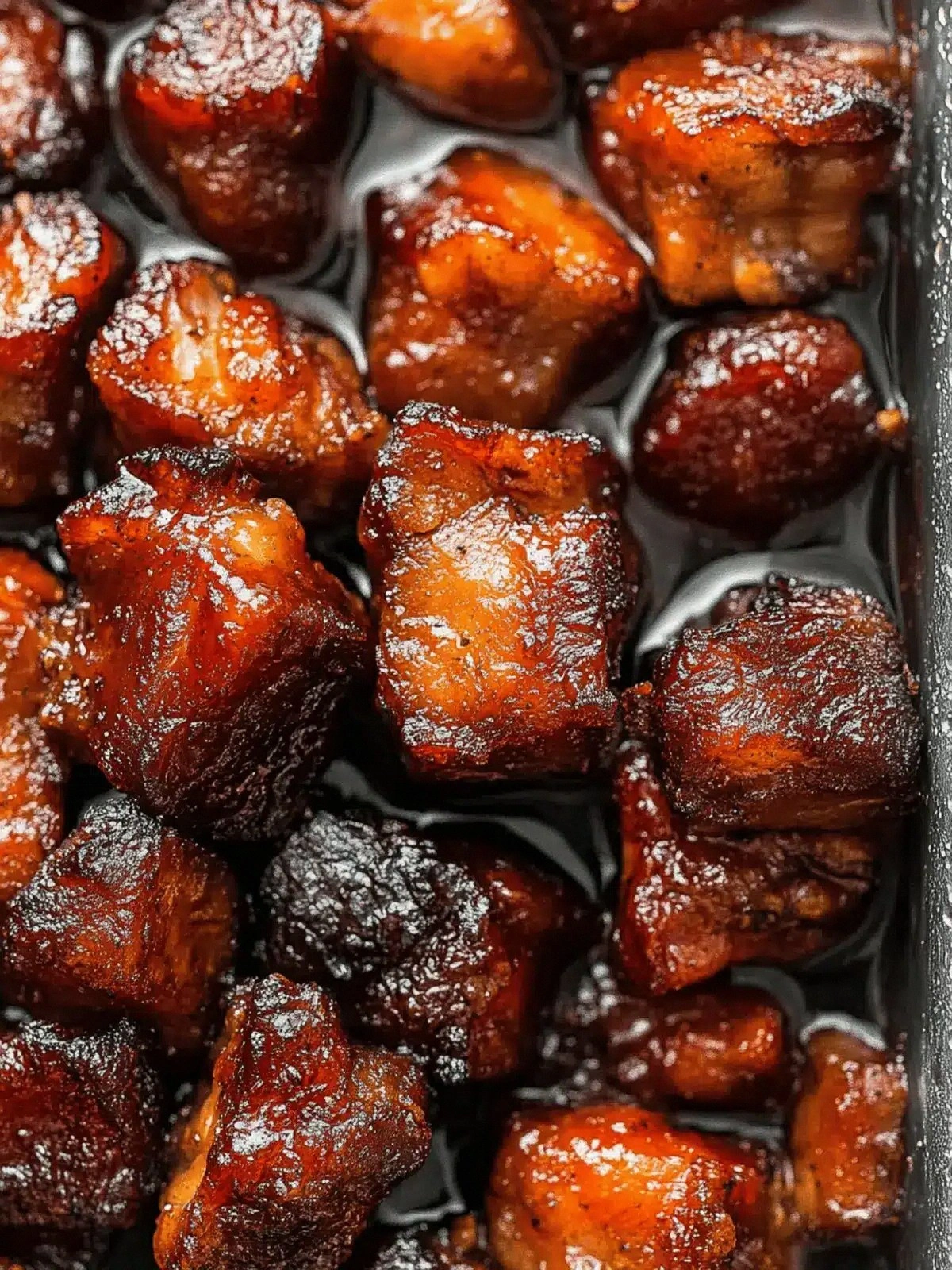
The aroma that followed was a heady mix of toasted sugar, smoky char, and a subtle hint of citrus from the vinegar. My eyes traced the golden crust, noting the tiny, crackling seams that promised crunch with every bite. The sound was a satisfying crackle, the kind that whispers, “This is going to be good.” When I took my first bite, the pork belly’s fat melted like butter, coating my tongue in silky richness while the glaze offered a sweet, tangy counterpoint. The texture was a paradoxical dance—crisp exterior, tender, almost buttery interior, and a subtle snap that released a burst of umami. The taste was an orchestra of savory, sweet, and smoky notes that lingered long after the last crumb.
What makes this version stand out is not just the technique; it’s the deliberate layering of flavors that each component contributes. The cocoa sugar caramelizes into a dark, almost chocolatey crust that adds depth without overwhelming the pork. The Worcestershire and mustard base creates a savory backbone that balances the sweetness. The apple cider vinegar cuts through the richness, providing a bright, refreshing lift that keeps the palate from becoming dull. The final butter finish adds a velvety sheen that makes the dish look as impressive as it tastes. The result? A pork belly that is both comforting and show‑stopping.
And here's the kicker: the secret to that irresistibly crisp skin is a simple, two‑stage sear that I discovered in a late‑night kitchen experiment. Instead of relying on high heat alone, I first seared the pork belly at a lower temperature to render the fat gently, then finished it with a high‑heat blast that creates a crackling crust without burning the glaze. This technique, combined with the cocoa sugar, produces a texture that shatters like thin ice when you bite into it. I dare you to taste this and not go back for seconds. If you’re skeptical, just wait until the first bite hits your tongue.
Picture yourself pulling this out of the oven, the whole kitchen smelling incredible, the family’s eyes widening as they see the caramelized, glossy surface. Imagine the applause that follows the first slice. Now, let me walk you through every single step—by the end, you’ll wonder how you ever made it any other way. This recipe is hands down the best version you'll ever make at home, and I’ll share every nuance, every hack, and every moment that makes it unforgettable. So, grab your apron, and let’s dive into the culinary adventure that will transform your pork belly forever.
What Makes This Version Stand Out
- Flavor Complexity: The blend of Worcestershire, mustard, and apple cider vinegar creates a savory base that cuts through the pork’s richness. The cocoa sugar caramelizes into a dark, chocolatey crust that adds depth. The glaze balances sweet and tangy notes for a multi‑layered taste.
- Texture Mastery: A two‑stage sear renders fat gently before a high‑heat finish, giving the skin a crackling, ice‑shattering crispness while keeping the interior buttery tender.
- Ingredient Synergy: Each spice—paprika, garlic powder, onion powder—contributes a subtle aroma that lingers long after the first bite.
- Visual Appeal: The glossy glaze and golden crust make the dish look as impressive as it tastes, perfect for a show‑stopping plate.
- Ease of Prep: With a straightforward glaze and a simple sear, the recipe is approachable for both novices and seasoned chefs.
- Make‑Ahead Potential: The pork belly can be glazed and refrigerated for up to 48 hours, allowing you to prep ahead of a busy dinner.
- Versatility: Swap the BBQ sauce for a smoky chipotle sauce or add a splash of bourbon for a boozy twist.
Alright, let's break down exactly what goes into this masterpiece...
Inside the Ingredient List
The Flavor Base
Worcestershire sauce and yellow mustard form the backbone of our glaze. The savory umami from Worcestershire cuts through the pork’s richness, while mustard adds a bright, tangy bite that lifts the entire dish. If you’re on a low‑sodium diet, swap Worcestershire for a reduced‑sodium version or use a splash of soy sauce for depth. The key to a balanced glaze is to whisk the two until they meld into a smooth, glossy sauce.
The Texture Crew
Cocoa sugar is the secret to a caramelized crust that feels like chocolate on your tongue. It caramelizes quickly, forming a hard, crackling shell that protects the meat during roasting. If you can’t find cocoa sugar, a blend of brown sugar and a pinch of cocoa powder works, though the crust will be slightly lighter. For an extra crunch, dust the pork belly with a thin layer of flour before searing; this helps the sugar set faster.
The Unexpected Star
Apple cider vinegar is more than a flavor enhancer; it’s a natural tenderizer. The acid breaks down connective tissue, resulting in a pork belly that’s silky on the inside. If you prefer a milder acidity, replace it with a splash of rice vinegar or even a dash of lemon juice. Keep the amount modest—too much vinegar can overpower the sweetness.
The Final Flourish
Butter is the final touch that brings everything together. It adds a silky sheen and a rich, velvety mouthfeel that contrasts with the crisp skin. If you’re dairy‑free, a drizzle of coconut oil or a spoonful of clarified butter will work. The butter also helps the glaze set into a glossy glaze that clings to each bite.
Everything's prepped? Good. Let's get into the real action...
The Method — Step by Step
- Score and Season: Using a sharp knife, score the pork belly skin in a diamond pattern, being careful not to cut into the meat. Sprinkle salt, pepper, paprika, garlic powder, and onion powder evenly over both sides. The score allows fat to render and the spices to penetrate, creating a flavorful base. Let it rest for 10 minutes to absorb the seasoning.
- Whisk the Glaze: In a small bowl, combine Worcestershire sauce, yellow mustard, cocoa sugar, BBQ sauce, and apple cider vinegar. Whisk until the sugar dissolves and the mixture is smooth. This glaze will coat the pork and develop into a caramelized crust. Set aside to let the flavors mingle.
- Pre‑Bake Low: Preheat your oven to 250°F (120°C). Place a wire rack on a baking sheet and set the pork belly skin side up on the rack. This low temperature allows the fat to render slowly, preventing a soggy skin. Bake for 45 minutes, or until the fat has fully rendered and the skin starts to puff.
- First Hack — Rack for Crispness: After the initial bake, lift the pork belly carefully and place it back on the rack. This elevates the meat, letting any remaining fat drip away and the skin to continue crisping. If you don’t have a rack, a clean baking sheet works, but the fat will pool and can soften the skin.
- Apply the Glaze: Brush the glaze generously over the pork belly, ensuring every crack and seam is coated. The glaze should be thick enough to cling, but not so heavy that it pools. This step is crucial for the caramelized finish.
- High‑Heat Finish: Increase the oven temperature to 425°F (220°C). Return the pork belly to the oven and bake for 20–25 minutes, or until the glaze has caramelized into a glossy, dark crust. The high heat will cause the sugar to caramelize rapidly, creating that signature crackle.
- Butter Finish: While the pork is still hot, dot small pieces of butter across the surface. The butter melts into the glaze, creating a shiny, buttery finish that enhances the overall flavor profile.
- Rest and Slice: Remove the pork belly from the oven and let it rest for 10 minutes. Resting allows the juices to redistribute, ensuring each bite is juicy and tender. Slice into bite‑sized pieces and serve immediately, perhaps with a side of roasted veggies or a crisp salad.
- Final Touch: Before serving, drizzle a little extra glaze over the sliced pieces. The glossy glaze adds a dramatic visual appeal and a burst of flavor with every bite.
That's it—you did it. But hold on, I've got a few more tricks that'll take this to another level. These insider tips will help you perfect the dish, avoid common pitfalls, and elevate the flavor profile even further.
Insider Tricks for Flawless Results
The Temperature Rule Nobody Follows
Many cooks skip the low‑temperature render and jump straight to a high heat, resulting in unevenly cooked pork and soggy skin. By starting at 250°F, you allow the fat to melt slowly, creating a crisp, airy skin. The key is patience—don’t be tempted to crank the heat up early; the final 20 minutes at 425°F are all you need for that caramelized finish.
Why Your Nose Knows Best
As the pork belly cooks, your nose becomes the ultimate judge of doneness. When the aroma turns from sweet to slightly smoky with a hint of caramel, you’re close to perfection. A well‑rendered pork belly should smell like a campfire with a sweet, buttery undertone. Trust your senses; the moment the glaze starts to bubble and the skin cracks, it’s time to pull it out.
The 5‑Minute Rest That Changes Everything
Resting the pork belly for 10 minutes is crucial. During this time, the juices redistribute, preventing them from spilling onto the plate when you slice. It also allows the glaze to set into a glossy, stable coating. Skipping the rest will result in a dry, uneven bite that misses the silky interior.
Use a Wire Rack for Even Cooking
A wire rack keeps the pork belly elevated, allowing heat to circulate evenly around the meat. This ensures the skin crisping is uniform and the fat drains away, preventing a greasy texture. If you don’t have a rack, use a baking sheet with a rack inserted or a broiler pan to achieve similar results.
Add a Splash of Bourbon for Depth
A tablespoon of bourbon added to the glaze during the first sear introduces a subtle, smoky depth that pairs beautifully with the cocoa sugar. The alcohol evaporates during cooking, leaving behind caramelized notes that enrich the overall flavor. This twist is perfect for a more sophisticated palate.
Creative Twists and Variations
This recipe is a playground. Here are some of my favorite ways to switch things up:
Chipotle Glaze
Swap the BBQ sauce for a smoky chipotle sauce and add a dash of honey for extra sweetness. The chipotle brings a peppery heat that pairs with the cocoa sugar, creating a complex flavor profile. This version is perfect for those who love a little kick.
Herb‑Infused Pork Belly
Add fresh rosemary and thyme to the glaze for an aromatic, earthy note. The herbs infuse the pork with a fragrant aroma that complements the sweet glaze. This twist works well with roasted root vegetables.
Spicy Sriracha Finish
After the pork has rested, drizzle a spoonful of Sriracha over the slices. The heat will contrast with the sweet glaze, creating a balanced bite. This is a great choice for a crowd that likes a little heat.
Citrus Brightness
Add a splash of orange juice to the glaze and finish with a zest of orange. The citrus brightens the dish, cutting through the richness and adding a fresh, bright note. It’s a perfect match for a summer gathering.
Ginger‑Soy Variation
Replace the Worcestershire sauce with a mixture of soy sauce and fresh grated ginger. The umami from soy pairs with the ginger’s zing, creating an Asian‑inspired flavor profile. This version is ideal for a dinner party with a global twist.
Storing and Bringing It Back to Life
Fridge Storage
Cool the pork belly completely, then wrap tightly in foil or plastic wrap. Store in the refrigerator for up to 3 days. The glaze will thicken slightly, but the pork remains juicy and flavorful.
Freezer Friendly
For longer storage, freeze the pork belly in a freezer‑safe zip‑lock bag or airtight container. It will keep well for up to 4 weeks. When ready, thaw overnight in the fridge before reheating.
Best Reheating Method
Reheat the pork belly in a preheated oven at 350°F (175°C) for 15 minutes, or until heated through. Add a splash of water to the bottom of the baking dish to create steam, keeping the pork moist. Finish with a quick brush of butter for that glossy sheen. The result is a reheated dish that tastes almost as fresh as when it was first cooked.