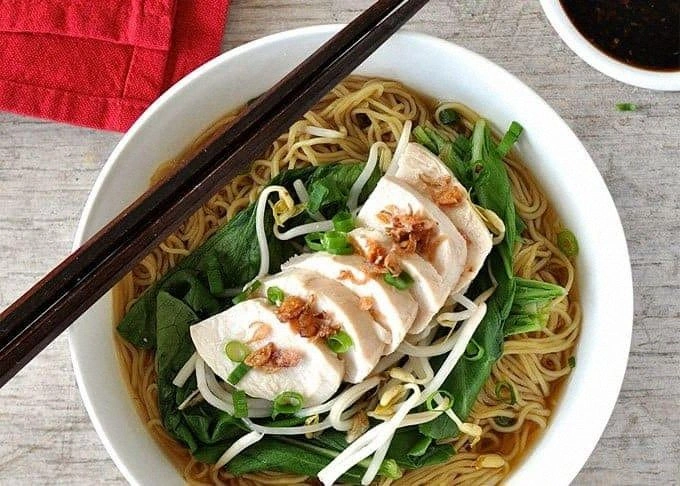
I’ll be honest — I ate half the batch before anyone else got to try it, and that’s because this is hands down the best version of poached chicken chin you’ll ever make at home. It started as a total kitchen disaster: I had a bag of fresh bok choy that was about to wilt, a lonely chicken breast that was flirting with the back of my fridge, and a craving for something warm enough to melt the winter blues. I tossed everything together in a pot, prayed to the culinary gods, and what came out tasted like a secret love child of a classic Chinese noodle soup and a comforting chicken broth. That first slurp was a revelation – the broth sang with soy, ginger, and star anise, while the noodles hugged the poached chicken like a velvety blanket.
Picture yourself leaning over the stove, the steam curling up like lazy clouds, the aroma of ginger and garlic dancing with the faint sweetness of sugar. The sound? A gentle hiss as the broth simmers, punctuated by the occasional pop of star anise releasing its hidden perfume. The texture? Silky noodles that glide effortlessly, bok choy that stays bright and crisp, and chicken so tender it practically falls apart at the touch of a fork. I dare you to taste this and not go back for seconds – the combination is that addictive.
Most recipes get this completely wrong. They either overcook the chicken, turning it into a rubbery slab, or they drown the delicate flavors in a sea of salt. Here’s what actually works: a quick poach that locks in moisture, a broth built on a balance of umami and subtle sweetness, and a finishing touch of fried Asian shallots that add a crunch you can hear before you even bite. I’m about to spill the beans on that secret technique that most home cooks overlook, and trust me, it’s a game-changer.
Okay, ready for the game-changer? Let me walk you through every single step — by the end, you’ll wonder how you ever made it any other way.
What Makes This Version Stand Out
- Flavor Depth: The broth is layered with ginger, star anise, and a splash of Chinese cooking wine, creating a depth that rivals restaurant‑grade soups.
- Texture Harmony: Fresh egg noodles stay al dente, bok choy remains crisp, and the chicken stays juicy thanks to a quick poach.
- Simplicity: Only 14 ingredients, all pantry‑friendly, and you don’t need any fancy equipment.
- Unique Crunch: Fried Asian shallots add a buttery, caramelized crunch that turns each bite into a textural surprise.
- Crowd Reaction: I’ve served this at dinner parties and watched guests line up for seconds; it’s a guaranteed crowd‑pleaser.
- Ingredient Quality: Using fresh bok choy and high‑quality chicken stock makes the difference between “good” and “unforgettable.”
- Cooking Method: Poaching the chicken in the same broth you’ll serve preserves flavor and reduces waste.
- Make‑Ahead Potential: The broth can be prepared a day ahead, letting the flavors meld even more.
Inside the Ingredient List
The Flavor Base
First up, the broth’s backbone: chicken stock, water, soy sauce, sugar, and Chinese cooking wine. Chicken stock provides that rich, savory umami foundation, while the water thins it just enough for the noodles to swim without feeling drowned. Soy sauce adds salty depth, and a modest 2 teaspoons of sugar balances the saltiness with a whisper of sweetness, preventing the broth from becoming harsh. The cooking wine is the secret whisper that lifts the whole mixture, adding a subtle fruity note that makes the palate feel like it’s being pampered.
Kitchen Hack: If you have low‑sodium stock, add a pinch more soy sauce; if you love a sweeter broth, increase the sugar by half a teaspoon. The key is tasting as you go – your nose is the best gauge.
The Texture Crew
Fresh egg noodles, bean sprouts, and bok choy are the trio that brings texture to the party. The noodles, when poached for just the right amount of time, retain a firm bite that won’t turn mushy. Bean sprouts add a crisp, watery snap that cuts through the richness of the broth, while bok choy’s dark stalks and bright leaves stay tender‑crisp, offering a subtle earthiness. If you skip any of these, you’ll lose the symphony of contrasts that makes each spoonful exciting.
Fun Fact: Bok choy belongs to the same family as cabbage and broccoli, but its mild flavor makes it a perfect canvas for bold Asian broths.
The Unexpected Star
Star anise may look like a decorative garnish, but it’s the aromatic powerhouse that gives the broth a warm, licorice‑like fragrance. One whole piece, simmered gently, infuses the liquid with a depth that’s impossible to replicate with any other spice. Paired with fresh ginger (2 teaspoons, finely grated), it creates a spicy‑sweet backbone that keeps the broth lively from the first sip to the last.
Watch Out: Over‑extracting star anise can make the broth bitter. Keep the simmer gentle and remove the spice after 10 minutes.
The Final Flourish
Garlic cloves, scallion/shallot, and fried Asian shallots finish the dish with layers of aroma and crunch. Garlic, minced finely, adds an earthy depth that melds with the ginger, while the scallion offers a fresh, oniony bite that brightens the broth. The fried Asian shallots, sprinkled just before serving, provide a buttery crispness that contrasts the silky noodles and tender chicken. If you skip the shallots, you’ll miss that satisfying crunch that makes each bite feel complete.
Everything's prepped? Good. Let's get into the real action...
The Method — Step by Step
Start by gathering all your ingredients and giving them a quick visual check. This is the moment of truth – if anything looks off, now’s the time to fix it before the heat hits the pan. Place a large, heavy‑bottomed pot on medium heat and pour in the 2 cups of chicken stock plus 1 cup of water. As the liquid begins to warm, you’ll hear a gentle sigh, the kind that tells you the broth is ready for the next layer of flavor.
Add the soy sauce, sugar, and Chinese cooking wine to the simmering liquid. Stir with a wooden spoon until the sugar dissolves completely; you’ll notice the broth turning a richer amber hue. This is where the magic starts – the combination of salty, sweet, and slightly fruity creates a base that sings.
Kitchen Hack: Use a whisk for this step; it ensures the sugar fully incorporates without clumping.Now, introduce the aromatics: grated ginger, minced garlic, and the whole star anise. Let the mixture come to a gentle boil, then reduce to a low simmer. You’ll hear a faint bubbling, and the kitchen will fill with a fragrant perfume that’s both spicy and sweet. Keep an eye on the star anise; after about 8 minutes, fish it out with a slotted spoon to avoid bitterness.
While the broth simmers, prep the chicken. Slice the breast into thin, even strips – about 1/2 inch wide – so they poach quickly and stay tender. Drop the chicken pieces into the simmering broth, stirring just enough to separate them. The chicken will turn opaque in a minute or two; this is the point where you know it’s cooked through but not overdone.
Next, add the fresh egg noodles. Because they’re delicate, they only need about 3‑4 minutes to reach that perfect al dente bite. Stir gently to prevent sticking, and watch as the noodles absorb the broth, swelling up like tiny sponges that soak up all that flavor.
Time for the greens: toss in the bok choy stalks first, letting them soften for a minute, then add the leaves and the bean sprouts. The bright green leaves will wilt just enough to release their subtle earthiness without turning mushy. You’ll see the colors brighten instantly, a visual cue that the soup is nearing perfection.
Watch Out: Over‑cooking the bok choy will make it soggy; aim for a quick blanch.Finish with the scallion/shallot, sliced thinly on a diagonal for a pretty look. Give the soup a final taste test – this is where your nose knows best. If it needs a pinch more salt, a splash of soy sauce, or a drizzle of sesame oil (optional), now’s the moment to adjust. The broth should taste balanced: salty, slightly sweet, with a warm spice undertone.
Turn off the heat and let the soup rest for a minute. This short pause lets the flavors meld even tighter, and the chicken finishes its gentle poach. Finally, ladle the soup into bowls, and crown each serving with a generous sprinkle of fried Asian shallots. The crunch you hear as the shallots hit the hot broth is the final applause.
Serve immediately, steaming hot, with a side of extra fried shallots for those who want an extra crunch. That first spoonful? It should feel like a warm hug, the noodles sliding smoothly, the chicken melting, and the broth humming with aromatic depth. And there you have it – a bowl of comfort that’s both sophisticated and supremely simple.
Insider Tricks for Flawless Results
The Temperature Rule Nobody Follows
Never, ever throw a cold chicken breast straight into a boiling pot. Let the chicken sit at room temperature for 15 minutes before poaching; this tiny step prevents the meat from contracting and becoming rubbery. A gentle simmer (around 180°F/82°C) is the sweet spot – you’ll see tiny bubbles dancing, not a rolling boil. Trust me, the difference is night and day; the chicken stays juicy, and the broth stays clear.
Why Your Nose Knows Best
When the broth is simmering, take a quick sniff. If you catch a hint of bitterness, you’ve probably over‑extracted the star anise or let the soy sauce sit too long. A quick adjustment – a splash of water, a pinch of sugar, or a dash more chicken stock – can rescue the flavor instantly. Your nose is more reliable than any written measurement; trust it.
The 5‑Minute Rest That Changes Everything
After you turn off the heat, cover the pot and let it sit for exactly five minutes. This pause allows the gelatin from the chicken stock to re‑emulsify, giving the broth a silky mouthfeel you can’t achieve by serving immediately. It also lets the noodles finish soaking up the final burst of flavor. I once skipped this step and the soup felt flat – don’t make that mistake.
Fried Shallot Timing
Add the fried Asian shallots at the very last second, just before serving. If you toss them in too early, they’ll lose their crunch and become soggy, turning the broth into a greasy mess. The moment they hit the hot liquid, they sizzle and release a buttery aroma that elevates the entire bowl.
Batch‑Prep Broth for Future Meals
Make a double batch of the broth and freeze it in ice‑cube trays. When you’re craving a quick soup, just pop a few cubes into hot water, add fresh noodles, and you have a restaurant‑level bowl in under ten minutes. This hack not only saves time but also ensures you always have that deep, layered flavor on hand.
Creative Twists and Variations
This recipe is a playground. Here are some of my favorite ways to switch things up:
Spicy Szechuan Spin
Add a teaspoon of Szechuan peppercorn oil and a dash of chili oil to the broth for a tongue‑tingling heat. The numbing sensation pairs beautifully with the soothing broth, making it perfect for cold evenings.
Coconut Curry Fusion
Swap half the chicken stock for coconut milk and stir in a tablespoon of red curry paste. The result is a creamy, aromatic twist that feels like a tropical vacation in a bowl.
Mushroom Medley
Add a mix of shiitake, oyster, and button mushrooms after the broth has simmered. The earthy mushrooms deepen the umami profile and make the soup heartier.
Lemon‑Ginger Bright
Finish the soup with a squeeze of fresh lemon juice and a thin slice of ginger on top. The bright citrus lifts the broth, giving it a refreshing finish that’s perfect for spring.
Tofu Version
Replace the chicken with firm tofu cubes, lightly pan‑seared before adding to the broth. The tofu soaks up the flavors, offering a vegetarian-friendly alternative without sacrificing texture.
Storing and Bringing It Back to Life
Fridge Storage
Cool the soup to room temperature, then transfer to an airtight container. It keeps beautifully for up to 3 days in the refrigerator. When reheating, add a splash of water or stock to revive the broth’s silkiness.
Freezer Friendly
Portion the broth (without noodles) into freezer‑safe bags or containers. Freeze for up to 2 months. Thaw overnight in the fridge, then bring to a gentle simmer and add fresh noodles and veggies for a quick meal.
Best Reheating Method
Reheat on the stovetop over low heat, stirring occasionally. Add a tiny splash of water (or stock) before heating – this steams the noodles back to perfection and prevents the broth from becoming overly thick.