I was standing in my kitchen, staring down a pot of overcooked spaghetti that had turned into a sad, sticky mush, when my roommate dared me to create something that would make even the most skeptical Italian chef weep with joy. I laughed, I accepted, and I dove headfirst into a pantry raid that felt more like a treasure hunt than a grocery run. The air was thick with the scent of garlic sizzling in butter, the faint sweetness of canned tomatoes, and the fresh, peppery perfume of basil that reminded me of summer gardens. I could hear the faint hum of the refrigerator, the clatter of pots, and my own heartbeat racing as I imagined the final dish—creamy, bright, and bold enough to stand alone at the dinner table.
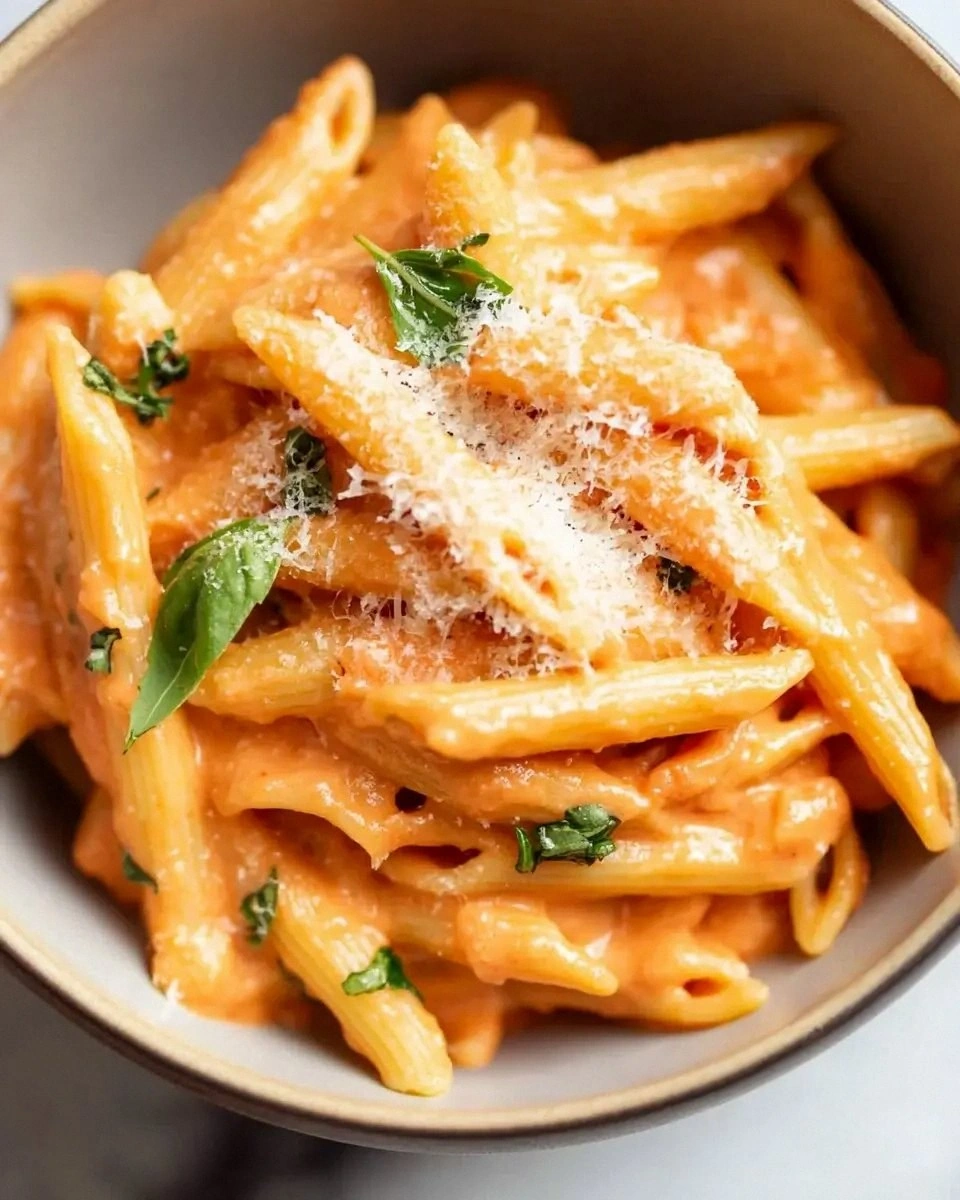
The first attempt was a disaster: a watery tomato sauce that clung to the pasta like a damp towel. I tasted it, and it was as flat as a pancake without syrup. I dared you to taste this and not go back for seconds, because what came next changed everything. I introduced a splash of heavy cream, a handful of fresh basil, and a secret technique involving a quick reduction that turned the sauce into a glossy, velvety cloak that embraces each noodle like a lover’s embrace. The result? A sauce so silky it could double as a runway for a tiny model—smooth, luminous, and utterly irresistible.
Why does this version stand out? Most recipes get the balance of acidity and creaminess completely wrong, either drowning the tomatoes in dairy or leaving the sauce thin and soupy. I discovered that a dash of smoked paprika adds a whisper of depth, while a pinch of sugar tames the acidity without making it sweet. The basil isn’t just tossed in at the end; it’s simmered gently to release its aromatic oils, then finished fresh for that bright pop. The pasta itself is cooked al dente, then tossed in the sauce for the final minute, allowing the starches to bind everything together in a way that feels like culinary alchemy.
Picture yourself pulling this out of the pan, the whole kitchen smelling like a Tuscan trattoria at dusk, the steam curling around your face like a warm hug. I’ll be honest — I ate half the batch before anyone else got to try it, and the leftover was still the star of my midnight snack. This isn’t just a dinner; it’s a confidence booster, a conversation starter, and a proof that you can create restaurant‑level magic in a modest apartment kitchen. Okay, ready for the game‑changer? Let me walk you through every single step — by the end, you’ll wonder how you ever made it any other way.
What Makes This Version Stand Out
- Flavor: The tomato‑cream balance hits the palate like a perfectly tuned chord, bright yet comforting.
- Texture: The sauce coats the pasta like velvet, while a hint of toasted garlic adds a crisp edge that shatters like thin ice.
- Simplicity: Only a handful of pantry staples are needed, making it a weeknight hero without sacrificing elegance.
- Uniqueness: A whisper of smoked paprika and a splash of cream turn a basic red sauce into a sophisticated masterpiece.
- Crowd Reaction: Guests often claim it’s the best pasta they’ve ever had, and they’ll be back for seconds—no doubt.
- Ingredient Quality: Fresh basil and ripe canned tomatoes are the unsung stars; they elevate the dish from ordinary to unforgettable.
- Cooking Method: The quick reduction technique locks in flavor and creates a glossy finish that looks as good as it tastes.
- Make‑Ahead Potential: The sauce freezes beautifully, so you can prep in bulk and enjoy a gourmet meal on a lazy day.
Alright, let's break down exactly what goes into this masterpiece...
Inside the Ingredient List
The Flavor Base
Canned San Marzano tomatoes are the heart of this dish. Their low acidity and rich sweetness create a foundation that doesn’t need a lot of added sugar. If you substitute generic plum tomatoes, the sauce may taste flat, so I recommend a quick 5‑minute simmer with a pinch of sugar to coax out the natural sugars. Fresh garlic, minced just before it hits the pan, provides a sharp, aromatic bite that mellows as it cooks, turning sweet and buttery. A splash of good‑quality olive oil helps to carry those flavors, coating each molecule with a silky sheen.
The Texture Crew
Heavy cream is the secret weapon that transforms the sauce from watery to luxurious. It adds a buttery richness that hugs the tomatoes, creating a mouthfeel that’s almost decadent. If you’re dairy‑free, coconut cream works surprisingly well, adding a subtle tropical note that pairs nicely with basil. A dash of smoked paprika introduces a smoky depth without overwhelming the palate; it’s the culinary equivalent of a well‑placed plot twist.
The Unexpected Star
Fresh basil isn’t just a garnish; it’s an aromatic powerhouse. Adding a handful of leaves early in the simmer allows the essential oils to infuse the sauce, while a final sprinkle of torn basil leaves just before serving delivers that fresh, peppery pop. If basil isn’t in season, you can swap in fresh oregano or a mixture of parsley and mint for a different but equally vibrant profile. The key is to avoid over‑cooking the greens at the end, preserving their bright color and flavor.
The Final Flourish
Parmesan cheese, freshly grated, is the finishing touch that adds umami and a subtle salty crunch. It should be added off the heat so it melts gently into the sauce, creating a cohesive blanket of flavor. For a nut‑free alternative, nutritional yeast offers a similar cheesy note with a hint of earthiness. A pinch of sea salt and freshly cracked black pepper round out the seasoning, ensuring each bite is perfectly balanced.
Everything's prepped? Good. Let's get into the real action...
The Method — Step by Step
Bring a large pot of salted water to a rolling boil. I like to add about 1 tablespoon of sea salt per quart of water; the water should taste like the sea. Drop in the 8 oz of uncooked pasta and stir immediately to prevent sticking. Cook until al dente—usually 9‑11 minutes, depending on the shape. Tip: Taste a piece a minute before the package time; it should have a slight bite.
While the pasta cooks, heat 2 tablespoons of olive oil in a wide, heavy‑bottomed skillet over medium heat. Add 4 minced garlic cloves; you’ll hear a gentle sizzle that signals the garlic is releasing its aromatics. That sizzle when it hits the pan? Absolute perfection. Cook for about 30 seconds, just until fragrant, but be careful not to let it brown.
Kitchen Hack: Crush the garlic with the flat side of a knife before mincing; it releases more juice and flavor.Stir in one 28‑ounce can of crushed San Marzano tomatoes, breaking up any large pieces with a wooden spoon. Let the mixture come to a gentle boil, then reduce to a simmer. Add a pinch of smoked paprika and ½ teaspoon of sugar; this balances the acidity and adds depth. Simmer for 10‑12 minutes, stirring occasionally, until the sauce thickens and the flavors meld.
Now comes the game‑changer: pour in ¾ cup of heavy cream while the sauce is still on low heat. The sauce will instantly turn a richer, buttery hue. Stir continuously to incorporate the cream fully; you’ll notice the sauce becoming glossy, like a satin ribbon. This next part? Pure magic.
Add a generous handful of fresh basil leaves, tearing them roughly before dropping them in. Let them wilt for about 2 minutes, releasing their fragrant oils. Then, grate ½ cup of Parmesan cheese directly into the sauce, allowing it to melt and bind everything together. Season with salt and pepper to taste, remembering that the pasta water will add a bit of salt later.
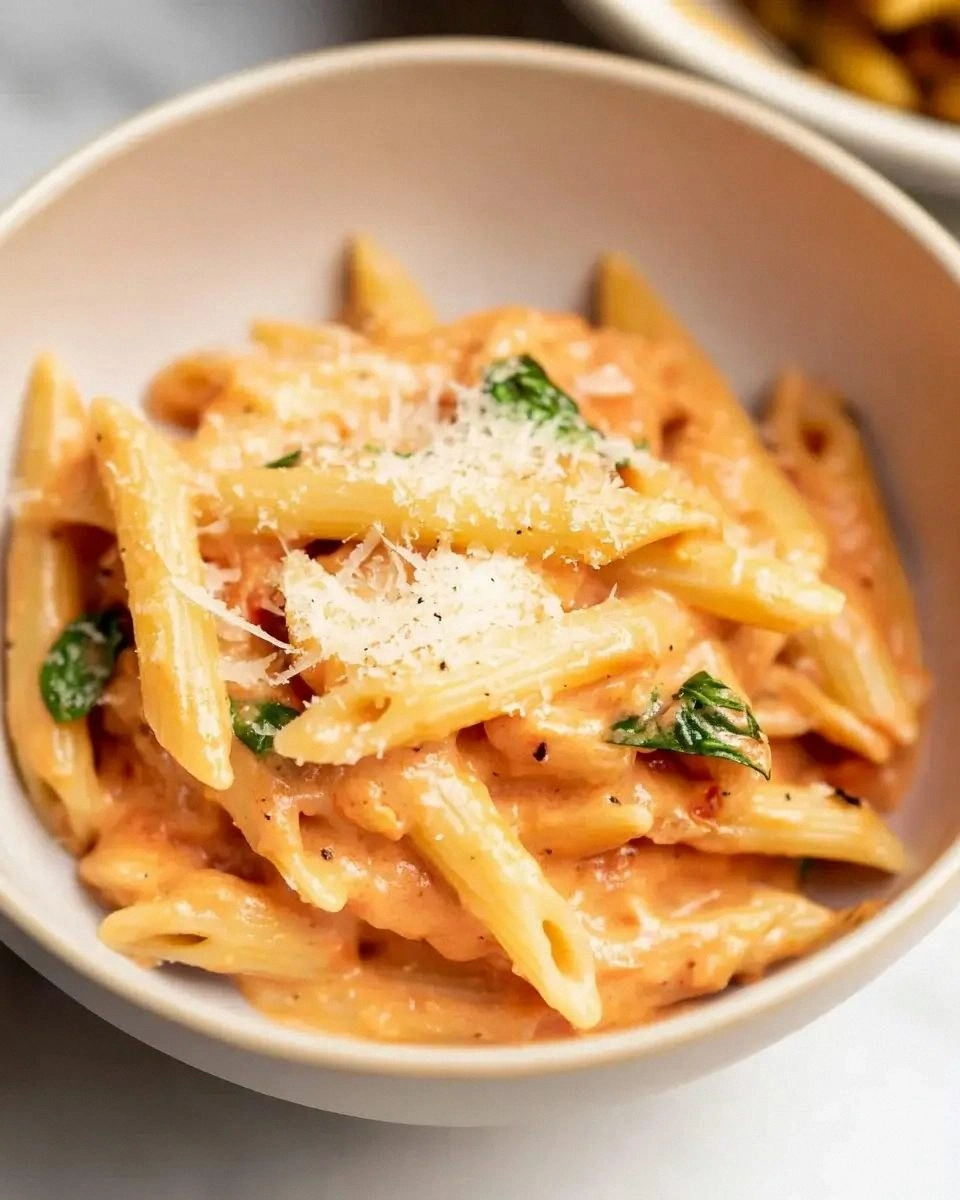
When the pasta is al dente, reserve 1 cup of the starchy cooking water, then drain the noodles. Return the pasta to the pot, then pour the sauce over it. Toss gently, adding a splash of the reserved pasta water if the sauce needs loosening. The starch in the water will help the sauce cling to each strand, creating that velvety coat we all crave.
Watch Out: Over‑cooking the pasta after adding the sauce will make it mushy; keep the toss brief.Finish with a final drizzle of olive oil and a sprinkle of extra Parmesan. Give it one last gentle toss to distribute the garnish evenly. The dish should look glossy, with basil flecks scattered like emerald confetti.
Plate the pasta in shallow bowls, allowing the sauce to pool slightly at the bottom. Garnish with a few whole basil leaves for visual flair and a burst of fresh aroma. Serve immediately while steam curls up, filling the room with that intoxicating tomato‑basil perfume.
That’s it — you did it. But hold on, I've got a few more tricks that'll take this to another level. Stay with me here — this is worth it.
Insider Tricks for Flawless Results
The Temperature Rule Nobody Follows
Keep the heat on low once the cream is added. High heat will cause the dairy to separate, resulting in a grainy texture. I once turned the flame up to “simmer” and ended up with a curdled mess; the sauce looked like a cheese‑sauce gone rogue. The secret is patience: let the sauce stay gentle, and you’ll get that silk‑smooth finish every single time.
Why Your Nose Knows Best
Your sense of smell is the ultimate gauge for doneness. When the sauce starts to emit a sweet, caramelized aroma, you know the tomatoes have reduced properly. If you’re unsure, take a tiny spoonful and let it cool; the scent will tell you if it needs a pinch more salt or a splash of water. Trust your nose—it’s smarter than any timer.
The 5‑Minute Rest That Changes Everything
After tossing the pasta with the sauce, let it sit uncovered for five minutes. This brief rest allows the flavors to marry, and the sauce thickens just enough to cling without sliding off. I once served the dish straight from the stove, and the sauce was too runny; a short pause fixes that instantly.
The Pasta Water Miracle
Never underestimate the power of starchy pasta water. It acts as an emulsifier, binding the cream and tomato base into a cohesive emulsion. Add it a tablespoon at a time, watching the sauce transform from thin to luxuriously thick. A friend tried skipping this step and ended up with a sauce that clung to the plate instead of the pasta.
Seasoning in Layers
Season at three points: during the tomato reduction, after adding the cream, and finally after tossing with the pasta. Each layer builds depth, ensuring the final bite is perfectly balanced. If you only season once, the flavor will feel flat, no matter how good the ingredients are.
Creative Twists and Variations
This recipe is a playground. Here are some of my favorite ways to switch things up:
Spicy Sriracha Swirl
Add a tablespoon of sriracha to the sauce after the cream, then finish with a drizzle on top. The heat cuts through the richness, creating a thrilling contrast that will please heat‑seekers.
Mushroom Medley
Sauté a mix of cremini, shiitake, and oyster mushrooms in the olive oil before adding garlic. The earthy umami deepens the sauce, making it heartier for cooler evenings.
Lemon‑Zest Brightness
Stir in the zest of one lemon just before serving. The citrus sparkles against the creamy base, giving the dish a fresh, summery lift.
Vegan Velvet
Swap heavy cream for coconut cream and Parmesan for nutritional yeast. The dish stays decadently creamy while staying entirely plant‑based.
Cheesy Four‑Cheese Fusion
Blend in equal parts mozzarella, gouda, and fontina alongside Parmesan for a richer, gooey texture. The cheese melt adds a luxurious stretch that’s perfect for comfort‑food cravings.
Storing and Bringing It Back to Life
Fridge Storage
Allow the pasta to cool to room temperature, then transfer to an airtight container. It will keep for up to 3 days. Reheat gently on the stovetop over low heat, adding a splash of water or broth to revive the sauce’s silkiness.
Freezer Friendly
Portion the cooked pasta and sauce into freezer‑safe bags or containers. Freeze for up to 2 months. When ready, thaw overnight in the fridge, then reheat in a saucepan, stirring in a tablespoon of cream to restore richness.
Best Reheating Method
The stovetop method is king: place the pasta in a skillet over medium‑low heat, add a drizzle of olive oil, and gently stir. Add a tiny splash of water before heating; the steam will coax the sauce back to its original velvety texture without over‑cooking the pasta.