What Makes This Version Stand Out
- Flavor Fusion: The Caesar dressing‑infused béchamel creates a sauce that’s both creamy and tangy, marrying the bright notes of anchovies, garlic, and lemon with the comforting richness of dairy.
- Texture Symphony: Crispy breadcrumb topping, gooey mozzarella strings, and tender chicken layers give each forkful a satisfying contrast that keeps you coming back for more.
- Simplicity Meets Sophistication: Despite the layered appearance, the recipe uses pantry staples and a few shortcuts—no need for a separate Caesar salad on the side.
- Ingredient Quality: Freshly grated Parmesan and high‑quality mozzarella make a world of difference; they melt beautifully and add that unmistakable umami depth.
- Crowd Reaction: This dish consistently earns rave reviews at family gatherings, often becoming the centerpiece that sparks conversation and second helpings.
- Make‑Ahead Potential: Assemble the lasagna a day ahead, refrigerate, and bake when you’re ready—perfect for busy weeknights or dinner parties.
- Cooking Method: The béchamel is cooked low and slow, preventing lumps and ensuring a silky, velvety finish that clings to every noodle.
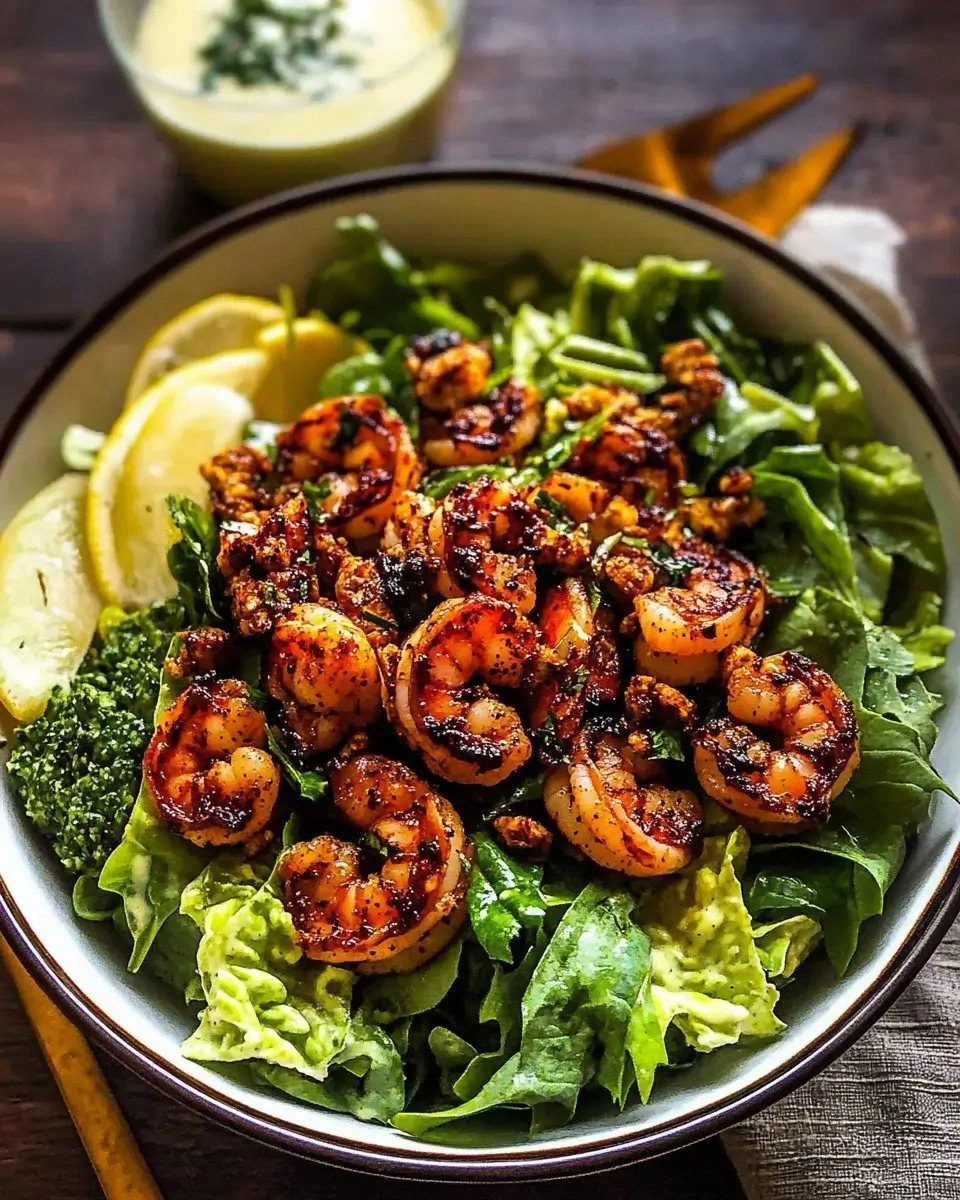
- Versatile Base: Swap chicken for grilled shrimp or keep it vegetarian with roasted cauliflower for a different spin without losing the core appeal.
Alright, let's break down exactly what goes into this masterpiece...
Inside the Ingredient List
The Flavor Base
Caesar dressing is the heart of this lasagna, delivering that iconic blend of anchovy, garlic, lemon, and Parmesan. It’s the secret that turns an ordinary béchamel into a sauce that coats the pasta like a silk sheet. If you skip it, you’ll lose the signature tang that makes this dish unforgettable. For a healthier twist, opt for a low‑fat Caesar dressing, but be prepared for a slightly thinner sauce—just add a touch more flour to thicken.
The Texture Crew
Shredded mozzarella provides the melt‑in‑your‑mouth stretch, while grated Parmesan adds a sharp, nutty edge that sharpens each bite. Ricotta offers a creamy pocket of richness that balances the tang of the dressing. If you’re dairy‑intolerant, try a blend of dairy‑free mozzarella and a cashew‑based ricotta substitute; the texture will remain indulgent, though the flavor profile will shift subtly.
The Unexpected Star
Anchovy paste—just a teaspoon—elevates the umami without making the dish taste fishy. It’s the culinary equivalent of adding a pinch of salt to a chocolate dessert; you may not notice it directly, but the overall depth skyrockets. If you’re hesitant about anchovies, use a splash of Worcestershire sauce as a milder alternative, though you’ll miss that authentic Caesar nuance.
The Final Flourish
Freshly baked lasagna noodles provide the structural backbone, allowing the sauce to seep in without turning mushy. Opt for no‑boil noodles if you’re short on time, but remember they absorb more liquid, so you may need to increase the béchamel by a quarter cup. A light dusting of breadcrumbs mixed with melted butter creates a golden crust that crackles delightfully with each bite.
Everything's prepped? Good. Let's get into the real action...
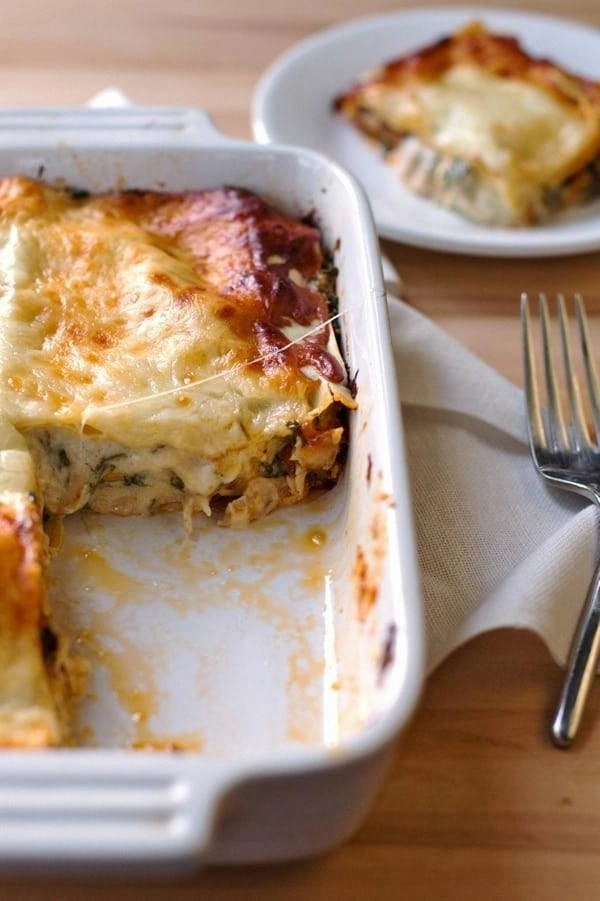
The Method — Step by Step
Start by bringing a large pot of salted water to a rolling boil. Toss in the lasagna noodles and cook them al dente—about 8 minutes—so they retain a slight bite. Drain them, rinse briefly under cold water to halt cooking, and lay them flat on a clean kitchen towel. This prevents them from sticking together and ensures each layer stays distinct. The sizzle of the water? That’s the first sign you’re on the right track.
While the noodles are cooking, heat the olive oil in a large skillet over medium heat. Add the minced garlic and let it perfume the oil for about 30 seconds—watch it turn golden but not brown. Then, stir in the shredded chicken, breaking it up into bite‑size pieces, and season lightly with salt and pepper. Cook until the chicken is heated through and just starting to crisp at the edges, about 4 minutes. This step builds a subtle smoky base that will shine later.
In a separate saucepan, melt the butter over medium heat. Sprinkle the flour over the butter, whisking constantly to form a roux. Cook the roux for 2‑3 minutes until it turns a light, nutty brown—this eliminates any raw flour taste and creates the perfect thickening agent for the sauce. Be vigilant; a burnt roux will give the béchamel a bitter edge that no amount of cheese can fix.
Gradually pour the milk into the roux, whisking continuously to avoid lumps. Once the mixture thickens and begins to bubble, lower the heat and stir in the Caesar dressing, anchovy paste (if using), dried oregano, and dried basil. Let the sauce simmer gently for 5 minutes, allowing the flavors to meld. The sauce should be glossy and coat the back of a spoon—this is the moment of truth for a velvety texture.
Remove the sauce from the heat and fold in the ricotta, half of the mozzarella, and half of the Parmesan. The cheese should melt into the sauce, creating a luscious, thick mixture that clings to the noodles. Taste and adjust seasoning with a pinch more salt or pepper if needed; remember, the Caesar dressing already carries salt, so go easy.
Preheat your oven to 375°F (190°C). Begin assembling the lasagna in a 9‑x‑13‑inch baking dish: start with a thin layer of sauce at the bottom, then a single layer of noodles, followed by the chicken mixture, and another generous drizzle of sauce. Sprinkle a handful of the remaining mozzarella and Parmesan, then repeat the layers, ending with a final coat of sauce and the remaining cheese on top. Finish with a sprinkling of breadcrumbs mixed with a tablespoon of melted butter for that coveted crunchy crown.
Cover the dish tightly with aluminum foil and bake for 20 minutes. After 20 minutes, remove the foil to allow the cheese to brown and the breadcrumbs to crisp—bake for an additional 10‑12 minutes, or until the top is bubbling gold and the edges are pulling away from the pan. The aroma at this stage? Absolutely intoxicating.
Let the lasagna rest for 10 minutes before slicing. This rest period lets the layers settle, making each piece hold together beautifully. Serve hot, garnished with a light drizzle of extra Caesar dressing and a sprinkle of freshly cracked black pepper. That final flourish? It ties the whole dish together with a bright, peppery kick.
That's it — you did it. But hold on, I've got a few more tricks that'll take this to another level...
Insider Tricks for Flawless Results
The Temperature Rule Nobody Follows
Never bake a lasagna straight from the fridge at a high temperature. Let the assembled dish sit at room temperature for 15 minutes before popping it into the oven. This prevents the center from staying cold, which can cause uneven cooking and a gummy texture. A friend once tried to skip this step, and the result was a soggy mess that clung to the pan. Trust me, that extra patience makes a world of difference.
Why Your Nose Knows Best
When the béchamel starts to bubble, take a quick sniff. If you detect a faint nutty aroma, you’re on the right track; if it smells raw or floury, keep whisking a little longer. Your sense of smell is a reliable gauge for flavor development, especially when working with anchovy paste and Caesar dressing, which can become overpowering if not properly integrated.
The 5‑Minute Rest That Changes Everything
After the lasagna emerges from the oven, resist the urge to dive in immediately. Let it rest uncovered for exactly five minutes. This short pause allows the cheese to set and the sauce to thicken, making slicing clean and preventing the top layer from sliding off. I’ve seen impatient diners lose half their cheese to the plate because they cut too soon—don’t be that person.
Breadcrumb Magic
Mix your breadcrumbs with a tablespoon of melted butter and a pinch of smoked paprika before sprinkling them on top. The butter adds richness, while the paprika introduces a subtle smokiness that complements the chicken and Caesar flavors. Skip the butter, and you’ll end up with a dry, uneven crust that lacks that satisfying crunch.
Cheese Layering Strategy
Instead of dumping all the mozzarella at once, split it between the middle and the top. The first half melts into the sauce, creating a creamy interior, while the second half forms a gooey, stretchy cheese blanket that browns beautifully. This two‑step approach prevents a rubbery top and ensures every bite has that perfect cheese pull.
Creative Twists and Variations
This recipe is a playground. Here are some of my favorite ways to switch things up:
Spicy Chipotle Caesar
Stir a tablespoon of chipotle in adobo sauce into the Caesar dressing before making the béchamel. The smoky heat adds a bold kick that pairs surprisingly well with the creamy cheese. Great for those who love a little fire without compromising the classic flavor profile.
Seafood Spectacular
Replace the chicken with sautéed shrimp and a handful of crab meat. The delicate seafood flavors meld with the Caesar sauce, turning the dish into a luxurious surf‑and‑turf experience. Just be careful not to overcook the shrimp; they should stay pink and tender.
Veggie‑Loaded Green
Swap the chicken for a medley of roasted zucchini, bell peppers, and spinach. The vegetables add a fresh, earthy note and make the lasagna suitable for vegetarians. Use a plant‑based Caesar dressing to keep the flavor consistent.
Smoky Bacon Boost
Fold in crumbled cooked bacon into the chicken layer for an added smoky crunch. The bacon’s saltiness amplifies the Parmesan, creating a deeper umami profile that’s hard to resist.
Herb‑Infused Delight
Mix fresh chopped basil and parsley into the ricotta before folding it into the sauce. The bright herb notes lift the heaviness of the cheese and add a burst of color to each slice.
Storing and Bringing It Back to Life
Fridge Storage
Allow the lasagna to cool completely, then cover tightly with plastic wrap or foil. Store in the refrigerator for up to 3 days. When reheating, preheat the oven to 350°F (175°C), cover the dish with foil to retain moisture, and bake for 20‑25 minutes, or until heated through.
Freezer Friendly
Wrap the assembled, unbaked lasagna tightly in a double layer of foil, then place it in a freezer‑safe bag. It will keep for up to 2 months. To bake from frozen, increase the oven temperature to 400°F (200°C), bake covered for 45 minutes, then uncover and bake an additional 15‑20 minutes until golden.
Best Reheating Method
For individual slices, microwave on medium power for 2‑3 minutes, then finish under the broiler for 1 minute to restore crispness. Add a tiny splash of water (about a tablespoon) before microwaving; the steam revives the sauce, preventing it from drying out.