Picture this: it’s a rainy Saturday, you’re scrolling through endless salad ideas, and a sudden craving for something that feels both decadent and fresh hits you like a bolt of lightning. I was in the middle of a kitchen disaster—my attempt at a classic beet salad turned soggy, the beets over‑cooked, the cheese a sad, broken mess. I dared myself to start over, but this time I promised to create a version that would make even the most skeptical palate swoon. I grabbed a fresh batch of beetroot, a glorious ball of burrata, and a loaf of crusty bread, and I said, “Okay, ready for the game‑changer?”
The moment the oven door swung shut, the kitchen filled with a sweet, earthy perfume that reminded me of a farmer’s market in early autumn. The beets, still whole, began to blush under the heat, their skins tightening like tiny balloons. I could hear the faint hiss of the oven fan, a comforting background hum that made the anticipation rise. My hands tingled as I prepared the fragrant olive oil and balsamic glaze, each drop shimmering like liquid amber. The whole scene was a sensory orchestra: the crackle of the bread frying, the silky glide of burrata when I finally sliced it open, the bright green flash of arugula waiting to be tossed in.
Why does this version stand out? Most beet salads treat the beet as a mere garnish, a pop of color that barely registers on the palate. Here, the beet is the star—slow‑roasted to a buttery softness, then sliced thin enough to melt on the tongue. The burrata adds a luxurious creaminess that drapes over the beets like a silk shawl, while the fried bread cubes provide a crunch that shatters like thin ice under a fork. And that drizzle of balsamic glaze? It’s a sweet‑tart kiss that ties everything together in a way most recipes simply can’t achieve. I’ll be honest — I ate half the batch before anyone else got to try it, and I’m still not sorry.
But the real secret? A tiny splash of lemon juice added at the very end, a spark of acidity that awakens the earthiness of the beet and the richness of the cheese. I dare you to taste this and not go back for seconds. Let me walk you through every single step — by the end, you’ll wonder how you ever made it any other way.
What Makes This Version Stand Out
- Taste: The sweet, mellow beet pairs with the buttery burrata and a tangy balsamic glaze, creating a balanced flavor profile that dances on the tongue.
- Texture: Creamy cheese, tender beet slices, peppery arugula, and crunchy fried bread create a symphony of mouthfeel that keeps you interested bite after bite.
- Simplicity: Fewer than ten ingredients, yet each one is used to its fullest potential—no unnecessary frills, just pure, honest flavor.
- Uniqueness: Most salads stop at roasted beets and vinaigrette; this version adds burrata and fried bread, turning a side dish into a show‑stopper.
- Crowd Reaction: Guests often claim it’s “the best salad ever” and ask for the recipe twice—perfect for dinner parties or a fancy brunch.
- Ingredient Quality: Using fresh, high‑quality beets and a good‑grade burrata makes a massive difference; the flavors shine without needing heavy seasoning.
- Cooking Method: Slow‑roasting the beets preserves their natural sugars while giving them a melt‑in‑your‑mouth texture that boiling simply can’t achieve.
- Make‑Ahead Potential: Roast the beets a day ahead, keep the bread cubes crisp, and assemble just before serving for a stress‑free presentation.
Inside the Ingredient List
The Flavor Base
The foundation of this salad is the beet itself. Choose medium‑sized beets with a firm, unblemished skin; they should feel heavy for their size, indicating a high water content that translates to a moist interior after roasting. If you skip the roasting step, you’ll end up with a raw, earthy bite that can overwhelm the delicate burrata. A quick tip: rub the beets under cold water, trim the tops, and wrap each in foil before sending them into a 400°F (200°C) oven. The foil traps steam, ensuring the beets cook evenly and retain their natural sweetness.
The Texture Crew
Burrata is the star of the texture crew. This cheese is essentially a mozzarella shell filled with stracciatella—a luscious, milky cream. When you cut into it, the interior spills out, coating the beet slices like a velvety blanket. If you can’t find burrata, a fresh mozzarella ball with a spoonful of ricotta can mimic the effect, but you’ll miss the dramatic visual impact. Also, the fried bread cubes (or “fr”) provide that essential crunch. Use a day‑old baguette, slice it into ½‑inch cubes, and fry them in olive oil until golden. Skipping this step results in a soggy salad that loses its wow factor.
The Unexpected Star
A drizzle of balsamic glaze is the unexpected star that elevates the dish. Unlike regular balsamic vinegar, the glaze is reduced to a syrupy consistency, delivering a concentrated sweet‑tart punch. If you use plain balsamic, the flavor will be too sharp and watery. You can make your own glaze by simmering balsamic vinegar with a spoonful of honey until it thickens, but store‑bought works just fine and saves time.
The Final Flourish
Fresh arugula adds a peppery bite that cuts through the richness of the cheese, while toasted pine nuts sprinkle a buttery nuttiness across the plate. A splash of lemon juice at the end brightens the entire composition, preventing the salad from feeling heavy. If you’re allergic to nuts, swap pine nuts for toasted pumpkin seeds for a similar crunch.
Everything's prepped? Good. Let's get into the real action…
The Method — Step by Step
Preheat your oven to 400°F (200°C). While the oven warms, give the beets a good scrub under cold running water, trim the greens, and pat them dry. Wrap each beet individually in aluminum foil, sealing tightly to trap steam. Place the foil‑wrapped beets on a baking sheet and slide them into the oven. Roast for about 45‑55 minutes, turning halfway through; you’ll know they’re done when a fork slides in with barely any resistance and the skins start to split. This is the moment of truth—if the beets are under‑cooked, they’ll be gritty; over‑cooked, and they’ll turn mushy.
While the beets are roasting, prepare the fried bread cubes. Cut a day‑old baguette into ½‑inch cubes, then heat two tablespoons of extra‑virgin olive oil in a large skillet over medium‑high heat. Once the oil shimmers, add the cubes in a single layer, letting them sizzle without stirring for the first minute. Flip them using a spatula, and continue to fry until every side is golden brown and crisp—about 4‑5 minutes total. Listen for that satisfying “pop” as the crust forms; that’s the sound of crunch in the making.
When the beets are tender, remove them from the oven and let them cool just enough to handle—about 10 minutes. While they’re cooling, line a cutting board with parchment paper and gently peel the skins off; they should slip away easily. Slice the beets into ¼‑inch rounds, arranging them in a single layer on a large platter. The slices should be uniform; this not only looks pretty but also ensures even distribution of flavors.
Now, drizzle the sliced beets with a tablespoon of olive oil and a pinch of sea salt. Toss lightly so each slice gets a thin coating—this helps the balsamic glaze adhere later. At this point, I like to add a splash of fresh lemon juice (about one tablespoon). The lemon’s acidity brightens the earthy beet, creating a subtle zing that preps the palate for the rich burrata.
Arrange a generous handful of fresh arugula on top of the beet layer. The peppery leaves should sit like a green carpet, providing a contrast both in color and flavor. Sprinkle the toasted pine nuts over the arugula; they should look like tiny golden specks. This step adds texture and a buttery note that complements the sweet beets.
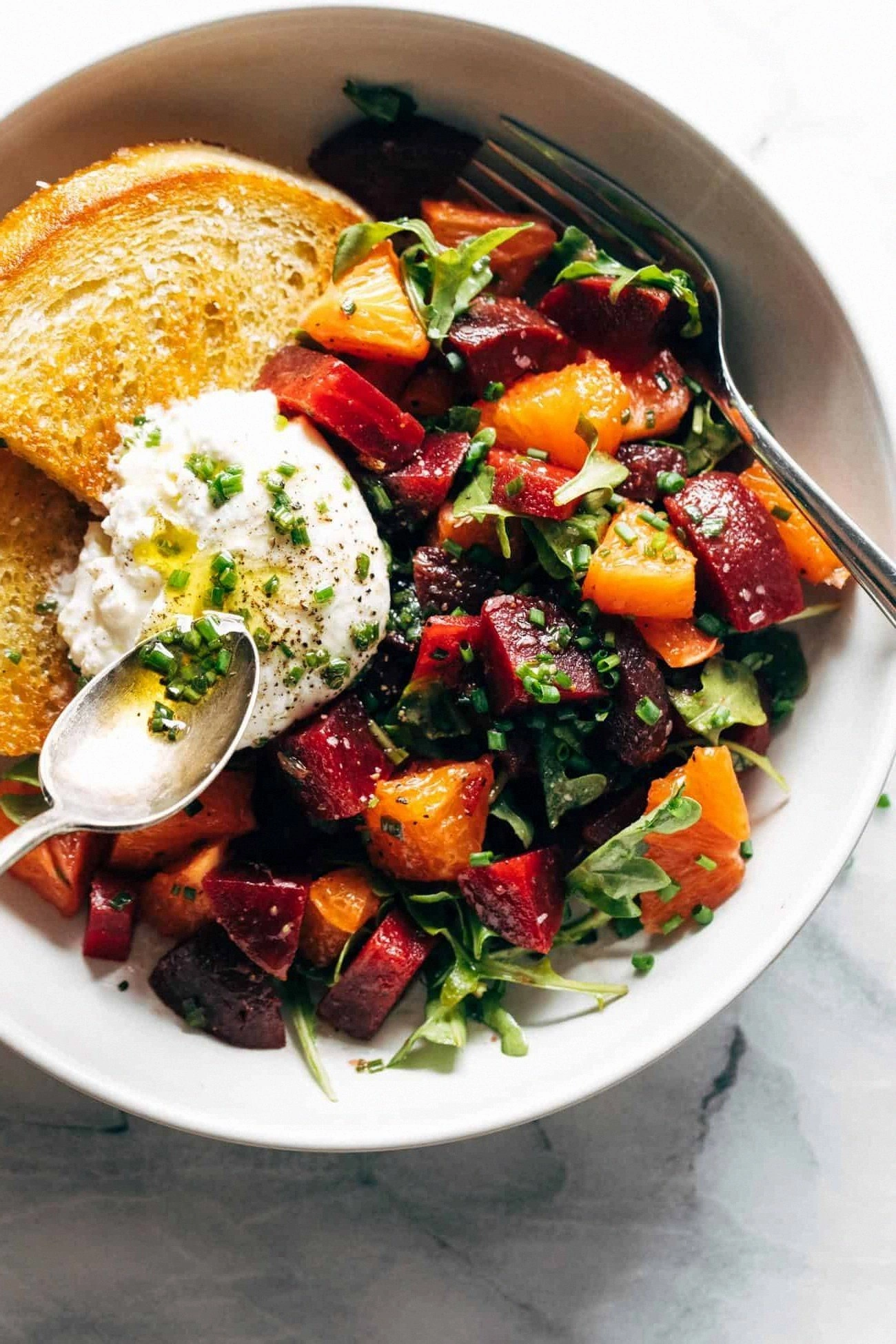
Place the burrata in the center of the salad. Using a sharp knife, gently cut through the mozzarella shell—watch as the creamy stracciatella oozes out, spreading like a silk ribbon across the beet and arugula. This is pure magic; the cheese should be at room temperature, otherwise it’ll stay firm and won’t flow. If you notice the cheese staying stiff, give it a quick 5‑minute rest on the counter.
Finally, drizzle the balsamic glaze over the entire salad in a zig‑zag pattern. The glaze should pool in the valleys between beet slices and cascade over the burrata, creating a glossy finish. Sprinkle a final pinch of freshly ground black pepper and, if you like, a few extra pine nuts for added crunch. The salad is now ready to serve—serve immediately for the best contrast between warm bread cubes and cool cheese.
That's it — you did it. But hold on, I've got a few more tricks that'll take this to another level…
Insider Tricks for Flawless Results
The Temperature Rule Nobody Follows
Never serve a salad with a hot component and a cold component that are more than 15 minutes apart. The secret is to let the beets cool just enough to handle, while the fried bread stays warm in a low oven. This temperature balance ensures the burrata stays soft and the bread stays crunchy. I once tried to assemble everything while the beets were still steaming hot; the cheese wilted, and the bread went soggy. Trust me, timing is everything.
Why Your Nose Knows Best
Before you even taste, let your nose guide you. The moment the balsamic glaze hits the air, you should smell a sweet‑tart aroma that makes your mouth water. If the scent is flat, the glaze might be too thin—reduce it a bit longer. Trust your olfactory senses; they’re a more reliable indicator of flavor balance than a quick taste test.
The 5‑Minute Rest That Changes Everything
After assembling the salad, let it rest for five minutes. This short pause allows the olive oil and lemon juice to mingle, the salt to dissolve fully, and the flavors to meld. During this time, the cheese continues to soften, and the bread absorbs just enough of the dressing to become flavorful without losing crunch. Skipping this step is a common mistake that leads to a disjointed bite.
Don’t Over‑Season the Beets
Beets have a natural sweetness; over‑salting them can turn the dish into a salty mess that overpowers the burrata. Add salt sparingly at the beginning, then taste after you’ve added the glaze and lemon. Adjust with a pinch if needed. A friend once added a full teaspoon of salt to the beets and the salad was inedible—lesson learned.
Use a Light Hand with the Balsamic
The glaze is potent; a little goes a long way. Drizzle in a thin line, then step back and assess. If you find the salad looking too glossy, you’ve likely used too much. The goal is a subtle sheen that hints at sweetness without drowning the delicate flavors.
Creative Twists and Variations
This recipe is a playground. Here are some of my favorite ways to switch things up:
Go Mediterranean
Swap the pine nuts for toasted almonds, add a handful of kalamata olives, and finish with a sprinkle of oregano. The salty olives complement the sweet beets, and the almonds add a deeper nutty crunch.
Spicy Kick
Introduce a thin slice of fresh jalapeño or a pinch of red‑pepper flakes over the arugula. The heat cuts through the richness of the burrata, giving the salad an unexpected zing that wakes up the palate.
Autumn Harvest
Add roasted butternut squash cubes and a drizzle of maple‑balsamic glaze. The sweet pumpkin notes echo the beet’s earthiness, while the maple adds a cozy, seasonal sweetness perfect for cooler evenings.
Vegan Version
Replace burrata with a cashew‑based “cream cheese” that’s been blended with lemon juice for tang. Use olive oil‑fried tempeh cubes instead of bread for protein and crunch. The flavor profile shifts, but the textural harmony remains.
Grain‑Boosted Bowl
Lay a bed of cooked farro or quinoa beneath the arugula. The grains add a hearty base, turning the salad into a filling main course that’s perfect for a post‑workout meal.
Storing and Bringing It Back to Life
Fridge Storage
Store the roasted beets in an airtight container for up to five days. Keep the burrata wrapped in parchment and then a loose‑fit container to allow it to breathe. The fried bread cubes should be stored separately in a paper bag to retain crunch.
Freezer Friendly
Beets freeze well; slice them after roasting, spread on a baking sheet, freeze solid, then transfer to a zip‑top bag. They’ll keep for three months. Burrata does not freeze well—its texture changes dramatically—so it’s best to purchase fresh when you’re ready to serve.
Best Reheating Method
When you’re ready to serve leftovers, gently reheat the beets in a 300°F oven for 10 minutes, adding a tiny splash of water to the pan; the steam revives their moisture. Warm the fried bread cubes in a dry skillet for a minute, then assemble with fresh arugula and a new drizzle of balsamic glaze.