Picture this: it's 9:47 p.m. on a Tuesday, your neighbors are blasting island reggae again, and suddenly you're hit with a craving so fierce it feels like a tropical storm in your chest. You want sticky-sweet, fire-kissed, beach-shack chicken—the kind that makes you close your eyes and swear you hear waves. Only problem? You live in a fourth-floor walk-up, your grill pan is somewhere under a mountain of mail, and the closest Hawaiian joint closed an hour ago. I was right there last month, fork in hand, ready to eat my own arm, when I decided no human should have to choose between midnight hunger and airline tickets to Oahu. So I did what any self-respecting food maniac does: I raided the pantry, muttered a half-remembered Hawaiian prayer, and engineered a baked version of the legendary huli huli that delivers every last lava-rock, guava-wood, ocean-breeze fantasy—without setting off the smoke alarm or requiring a lei for entry.
Most copycat recipes taste like soy-sauce candy on rubber. They miss the layered smoke, the ginger pop, the chile-kissed backbone, the way the glaze lacquers in thin, glassy sheets that crackle under your teeth like brûlée sugar. My version borrows the best tricks from Honolulu's roadside rotisseries—pineapple juice for tang, ketchup for color and body, fish sauce for that whisper of funk—and bakes them onto thigh meat so juicy it practically winks. The secret isn't a long marinade (though you can if you want) but a two-stage glaze: one coat to sink in and perfume, a second to bubble into sticky midnight-black edges. I dare you to taste this and not go back for seconds; I certainly failed, standing barefoot in my galley, devouring half the sheet-pan while the oven was still hot.
Here's the kicker—you don't need fancy anything. No pineapple plantation, no kiawe wood, no rotating spit. A regular oven, a rimmed sheet pan, and a little fearlessness are enough. The first time I made it, my roommate wandered out of her Zoom call, nostrils flaring like a cartoon bloodhound, demanding to know what sorcery was happening. Thirty minutes later we were both licking our fingers and negotiating ownership over the crispy tail-end pieces. If you've ever struggled with dry chicken, cloying sauce, or that weird watery pool at the bottom of the pan, you're not alone—and I've got the fix.
Let me walk you through every single step—by the end, you'll wonder how you ever made it any other way.
What Makes This Version Stand Out
- Flavor Tsunami: It hits sweet, salty, gingery, garlicky, smoky, and lightly spicy in one sweep, like a seven-layer dip wearing a Hawaiian shirt.
- Crispy-Chewy Edges: We bake hot and fast so the sugars caramelize into candy glass while the meat stays cloud-fluffy inside.
- One-Pan Weeknight Hero: No grill, no babysitting, no 47 bowls. Whisk, pour, bake, glaze, done. You can literally prep the sauce while the oven preheats.
- Real Ingredients, No Kool-Aid Colors: Forget neon bottled teriyaki. We're talking fresh ginger you grate yourself, pineapple juice you could drink straight, and ketchup doing honest work.
- Make-Ahead Magic: Sauce keeps a week in the fridge, chicken can bathe overnight, and leftovers reheat like a dream—if you have any.
- Convertible Heat: Want kid-friendly mild? Leave the sriracha out. Want to sweat like a surfer after a marathon? Dash in some bird's-eye chile and live your truth.
Inside the Ingredient List
The Flavor Base
Pineapple juice is the lifeblood here—its enzymes tenderize while the sugars coax that postcard-perfect lacquer. Use the 100% juice stuff, not syrup labeled "cocktail," or the glaze will taste like gas-station slushie. Fresh ginger snaps everything awake with peppery heat; powdered can't compete, so skip that sad jar in the spice rack. Garlic adds bass notes, and brown sugar's molasses undertones deepen the caramel. If you only have white sugar, you can swap, but expect a blander backdrop—kind of like replacing hula dancers with cardboard cutouts.
The Umami Crew
Soy sauce brings salt and wheaty depth, while a whisper of fish sauce (stay with me) layers in oceanic funk that reads as "something mysterious and wonderful" rather than "anchovy juice." Can't do fish sauce? Try a teaspoon of Worcestershire or a dab of miso. Ketchup is my cheater's shortcut for tomato sweetness plus pectin, helping the glaze cling like jealous exes. Rice vinegar brightens; lime juice works in a pinch, but you'll lose subtle roundness.
The Heat & Aroma
Sriracha supplies garlicky heat that's mellow enough for your cousin who thinks black pepper is spicy. Prefer birds-eye chilies? Mince one finely and brace for volcanic joy. Toasted sesame oil goes in at the very end—its nutty perfume is shy and burns off if cooked long. Think of it as cologne, not deodorant.
The Unexpected Star
Chicken thighs, bone-in, skin-on. Yes, you can use boneless skinless in a time crunch, but you'll miss the skin's crackling cape and the bone's insurance against dryness. Buy thighs that look plump, not flat and sad. If all you can find are massive mutants, add five minutes to the initial bake; shrimpy ones get done faster so pull early.
The Method — Step by Step
- Crank your oven to 425 °F (220 °C) and set a rack in the upper-middle zone—this puts the chicken closer to the roof of heat, encouraging leopard spotting. If your oven runs cold, sneak it up to 450 °F; if it's a fiery dragon, stay at 425 °F but watch closely. Line a rimmed sheet pan with parchment for zero scrubbing heartbreak later.
- Whisk together pineapple juice, brown sugar, ketchup, soy sauce, grated ginger, minced garlic, rice vinegar, sriracha, and fish sauce in a bowl big enough to bathe your hand. The mixture will look like sunset in a glass—taste it. It should punch sweet-salty with a ginger snap at the end. Need more salt? Splash soy. Too sweet? Teaspoon more vinegar. This is your chance to play deity.
- Pat the chicken thighs very dry—water is the enemy of caramelization—and lay them skin-side up on the parchment. Sprinkle lightly with kosher salt; the sauce carries salt too, so be restrained. Brush a thin layer of sauce over the skin, just enough to paint it bronze. Slide the pan into the screaming-hot oven and bake for 15 minutes. Your kitchen will start to smell like a Kauai luau invaded; that's your cue to start basking.
- While the first roast happens, pour the remaining sauce into a small saucepan and simmer for 6–7 minutes until it thickens to loose honey territory. Keep an eye on it—sugary glazes love to Mount Vesuvius all over your stovetop. Stir in sesame oil off heat; the kitchen will suddenly smell like you opened a bag of fresh popcorn at the movies.
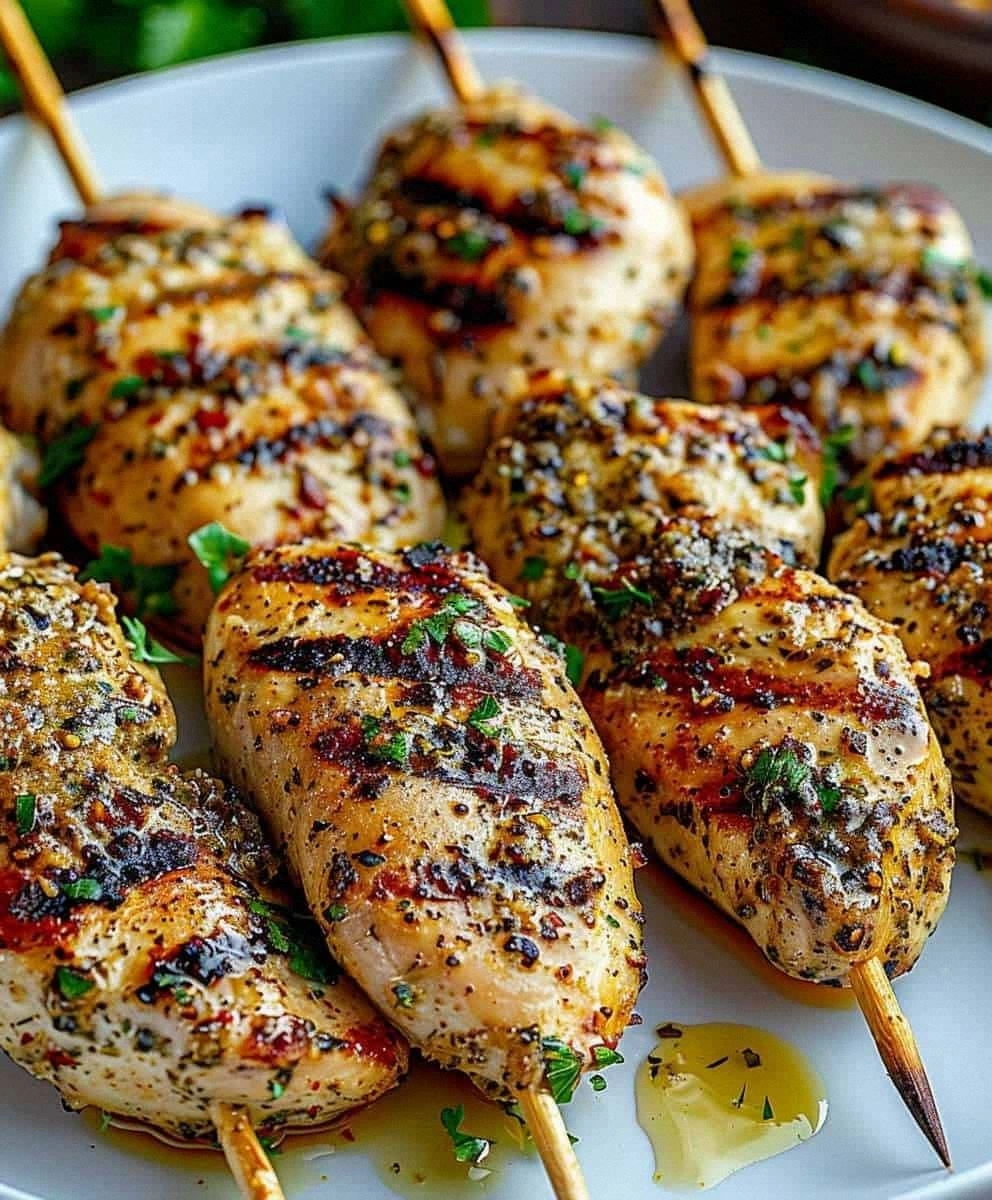
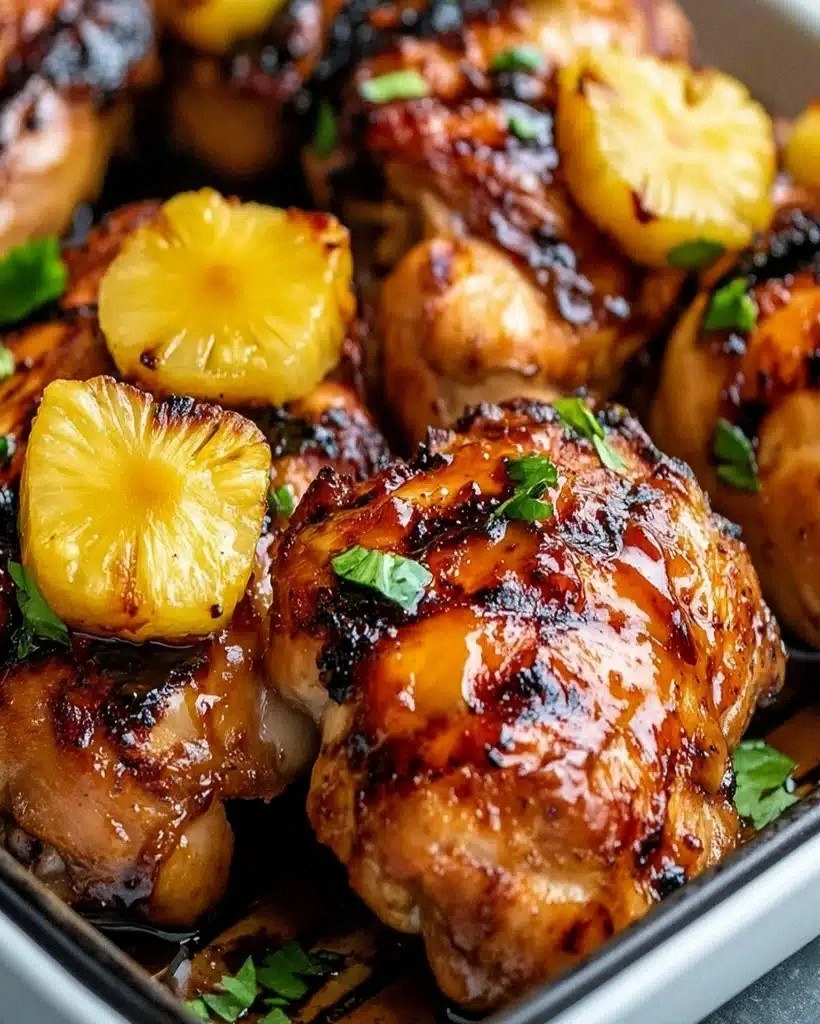
- Pull the chicken, crank the broiler to high, and spoon or brush a thicker second coat of glaze onto each thigh, focusing on the skin. Return to the oven for 3–4 minutes, or until the glaze bubbles like hot lava and the skin edges blacken in artistic streaks. Don't walk away—broilers are sneaky arsonists.
- Flip each thigh using tongs so the bottoms get a 30-second kiss under the broiler; this prevents soggy undersides and gives you crackling all around. If smoke alarms start flirting, crack the oven door a hair and keep roasting—better a little ventilation than a charred dinner.
- Transfer thighs to a plate and tent loosely with foil for five minutes. Resting lets juices settle so they don't flood the cutting board like a broken fire hydrant. Meanwhile, pour the sheet-pan juices into a small bowl; skim the fat or embrace it like a guilty pleasure. Drizzle these tropical gold flecks over rice, veggies, or straight onto your tongue—chef's privilege.
- Garnish with sesame seeds and sliced scallions for a pop that screams Instagram, then serve hot. Watch the meat pull away in tender ropes, the skin shattering like thin ice under the fork. If you hear sighs, you've done it right.
Insider Tricks for Flawless Results
The Temperature Rule Nobody Follows
Chicken thighs are forgiving, but sugar is not. Bake until the thickest piece hits 175 °F (79 °C) internal; the collagen melts, meat fibers relax, and the skin has time to render its fat. Anything past 185 °F and the glaze crosses into bitter territory. A $15 instant-read thermometer is cheaper than therapy after serving shoe-leather dinner guests.
Why Your Nose Knows Best
Trust the aroma checkpoints. First you'll smell warm pineapple and ginger (good), then deep molasses (better), finally a faint bitter note (rescue time). When that last aroma appears, yank the pan; your built-in smoke detector is smarter than any timer app.
The 5-Minute Rest That Changes Everything
Resting isn't optional. Tent loosely—too tight and the steam soggs your gorgeous skin. Five minutes is the sweet spot; longer and the glaze turns tacky like postage stamps. While you wait, warm your serving plates so the chicken doesn't tighten up from temperature shock.
Double-Batch & Freeze the Sauce
Make a double batch of glaze and freeze half in ice-cube trays. Pop a cube for quick weeknight wings, shrimp, or even roasted carrots. Future you will send mental thank-you postcards from the couch.
Creative Twists and Variations
This recipe is a playground. Here are some of my favorite ways to switch things up:
Mango-Passion Lightning
Sub half the pineapple juice with mango nectar and stir in a spoon of passion-fruit pulp for a perfume so tropical you'll swear ukuleles started playing. Best with a dusting of lime zest right before serving.
Korean Fire Edition
Swap sriracha for gochujang and add a tablespoon of grated Asian pear. The result is spicy-sweet with a malty backbone that loves a cold beer and a stack of napkins.
Coconut-Lime Escape
Whisk two tablespoons coconut cream into the final glaze and finish with fresh lime juice. It tastes like chicken wearing a piña colada costume—great with jasmine rice flecked with toasted coconut flakes.
Smoky Bourbon Luau
Replace two tablespoons pineapple juice with bourbon and add a pinch of smoked paprika. The alcohol cooks off, leaving campfire whispers that pair surprisingly well with grilled peaches.
Low-Sugar Sunset
Cut brown sugar to one tablespoon and rely on the pineapple's natural sweetness plus a grated small apple. The glaze stays bronze, just less candy-coated—perfect if you're feeding the sugar-wary crowd.
Island Veggie Swap
Use the same glaze on slabs of tofu, cauliflower steaks, or portobello mushrooms. Roast 20 minutes, glaze, broil 3 minutes—meatless Monday just got lei'd.
Storing and Bringing It Back to Life
Fridge Storage
Cool leftovers completely, then park in a sealed container with a tight lid. Refrigerate up to four days; the flavor actually deepens overnight as ginger and garlic mingle like gossiping aunties. Keep the skin on while storing—it works as a moisture shield during reheat.
Freezer Friendly
Freeze individual thighs wrapped in parchment, then tucked into a zip bag for up to two months. Thaw overnight in the fridge, not the countertop—nobody invited bacteria to this luau. If you froze extra sauce, thaw that separately so you can brush on a fresh coat during reheating.
Best Reheating Method
Skip the microwave unless you crave rubber. Instead, place chicken skin-side up in a 375 °F oven for 8 minutes, brushing with a fresh dab of sauce. Add a splash of water to the pan and tent loosely; the gentle steam resurrects juiciness while the dry heat resurrects crunch. Air-fryers work too—three minutes at 370 °F usually does the trick.