Picture this: a Saturday night, the kitchen is a chaotic symphony of sizzling pans, the smell of onions caramelizing, and the faint hum of the fridge door closing. I was halfway through a recipe I found online, feeling the urge to add a pinch more salt, when suddenly a neighbor’s phone rang, announcing a last‑minute dinner party. I had to pivot fast, but I didn’t want to compromise flavor. That moment sparked a mission: create an American Chop Suey so bold that it would have people asking for the recipe by the end of the first bite.
I’ve spent countless evenings hunting for the perfect comfort dish that balances hearty protein, comforting pasta, and a sauce that sings. Most versions I’ve tasted were either too dry or too thick, lacking that silky, velvety coat that makes the pasta cling to every forkful. I wanted something that could be made in under an hour, yet felt like a slow‑cooked masterpiece. The secret? A blend of fresh vegetables, a splash of Worcestershire, and a dash of smoked paprika that adds depth without overpowering.
If you’ve ever tried a classic chop suey and felt it fell short, you’re not alone. The standard recipe often leaves the pasta soggy and the meat bland. This version flips the script by cooking the meat first to develop a Maillard crust, then deglazing with tomato sauce to create a rich base. The result is a dish that feels like a casserole and a skillet meal rolled into one, with every bite packed with flavor and texture.
I’ll walk you through every single step, from prepping the ingredients to the final garnish. By the end, you’ll wonder how you ever cooked chop suey any other way. Ready to taste a dish that will become the new staple on your table? Let’s dive in.
What Makes This Version Stand Out
- Flavor Depth: The combination of fresh vegetables and a splash of Worcestershire sauce creates a savory backbone that feels both comforting and sophisticated. The tomato sauce is enriched with a hint of smoked paprika, giving it a subtle smoky undertone that elevates the dish.
- Texture Harmony: The pasta is cooked al dente, ensuring it holds its shape while absorbing the sauce. The meat develops a crisp exterior that contrasts beautifully with the tender vegetables.
- Time Efficiency: You can have a full dinner on the table in 45 minutes, thanks to the streamlined cooking process that eliminates the need for pre‑boiling pasta separately.
- Ingredient Quality: Using fresh, seasonal produce and a high‑quality tomato sauce makes a noticeable difference in taste, turning an ordinary recipe into a standout meal.
- Crowd‑Pleaser: The dish is easy to scale and can be served at family gatherings, potlucks, or a cozy night in. Its comforting profile is universally loved.
- Make‑Ahead Friendly: The flavors deepen when left to rest, making it perfect for meal prep or a quick reheated dinner.
Inside the Ingredient List
The Flavor Base
Ground beef is the heart of this dish. It needs to be browned until the edges are slightly crisp, which locks in juices and creates a savory foundation. If you’re watching calories, swap half of the beef for ground turkey or a leaner cut. Skipping the beef entirely will leave the dish lacking protein and depth.
Tomato sauce and diced tomatoes combine to form the sauce’s backbone. The sauce should be thick enough to coat the pasta without becoming syrupy. Using a low‑sodium variety keeps the dish from becoming overly salty, especially when you add salt at the end.
The Texture Crew
Elbow macaroni is the classic choice for chop suey, but you can experiment with small shells or cavatappi for a different look. The pasta should be cooked just shy of al dente before being mixed with the sauce, so it finishes cooking in the skillet and absorbs flavors.
Onions, bell peppers, carrots, and celery bring sweetness and crunch. These vegetables should be diced uniformly so they cook evenly. If you prefer a milder flavor, use only onions and bell peppers; the carrots and celery add a subtle earthiness that balances the richness.
The Unexpected Star
Worcestershire sauce is the unsung hero that adds umami and a slight tang. A tablespoon is enough to elevate the sauce without overpowering it. If you’re vegetarian, substitute with soy sauce and a dash of balsamic vinegar.
Smoked paprika brings a smoky note that mimics the flavor of a slow‑cooked dish. It also gives the sauce a vibrant color. If you’re sensitive to heat, use sweet paprika instead.
The Final Flourish
Shredded mozzarella or Parmesan adds a creamy finish that melts into the sauce, creating a velvety texture. Sprinkle fresh parsley at the end for a burst of color and freshness. A squeeze of lemon juice can brighten the flavors, especially if the tomato sauce is slightly acidic.
Everything's prepped? Good. Let's get into the real action...
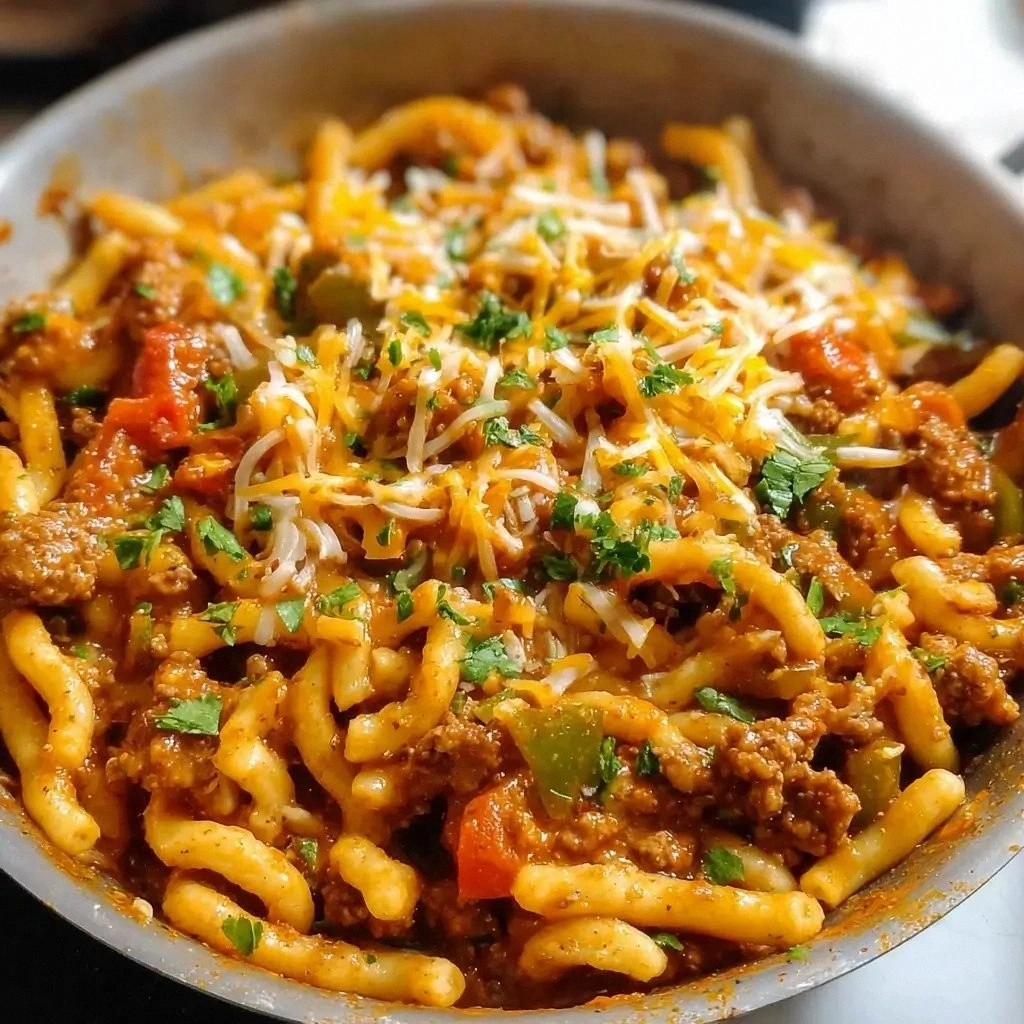
The Method — Step by Step
- Prepare the Pan: Heat a large cast‑iron skillet over medium‑high heat. Add two tablespoons of olive oil, swirling to coat. The oil should shimmer but not smoke. This step ensures the meat gets a good sear, which builds flavor through caramelization. I dare you to taste this and not go back for seconds.
- Brown the Beef: Add the ground beef in a single layer. Let it sit without stirring for 2–3 minutes until the underside is browned. Then break it up with a spatula, cooking until it’s no longer pink. The meat should emit a rich, meaty aroma that signals readiness. Watch out: over‑crowding the pan can cause the beef to steam instead of sear.
- Deglaze: Pour in a splash of beef broth to lift the browned bits from the pan. Scrape them with the spatula; they’re packed with flavor. This deglazing step is crucial for a deep sauce. If you skip it, the final dish will taste flat.
- Sauté the Vegetables: Push the beef to one side of the skillet. Add the diced onions, bell peppers, carrots, and celery. Stir them for 4–5 minutes until they soften but keep a slight crunch. The vegetables should start to caramelize, adding sweetness. I’ve learned that adding garlic in the last minute prevents it from burning.
- Introduce the Tomato Base: Stir in the tomato sauce, diced tomatoes, and Worcestershire sauce. Mix thoroughly so the vegetables and meat are coated. Bring the mixture to a gentle simmer. The sauce should thicken slightly and develop a fragrant aroma. This is the moment of truth.
- Season: Add salt, pepper, smoked paprika, oregano, and basil. Stir and taste. The seasoning should balance the acidity of the tomatoes and the richness of the meat. Remember, you can always add more salt later, so start modest.
- Add the Pasta: Pour in the pre‑cooked elbow macaroni (about 2 cups). Toss everything together, ensuring the pasta is evenly coated. Let the mixture simmer for 6–8 minutes, allowing the pasta to absorb the sauce. The edges of the pasta will start pulling away from the pan, a sign of proper cooking.
- Finish with Cheese: Sprinkle shredded mozzarella or Parmesan over the top. Cover the skillet for 2 minutes so the cheese melts into a silky blanket. The cheese should be glossy and slightly golden. This step adds a creamy layer that makes the dish irresistible.
- Garnish: Finish with a handful of fresh parsley and a light squeeze of lemon juice. The parsley adds a fresh pop, while the lemon brightens the sauce. Serve hot straight from the skillet.
That’s it — you did it. But hold on, I've got a few more tricks that will take this to another level.
Insider Tricks for Flawless Results
The Temperature Rule Nobody Follows
Cooking the skillet to the right temperature is essential. A medium‑high heat ensures the meat browns quickly without drying out. If the heat is too low, the beef will release too much fat and become greasy. I’ve found that using a thermometer and keeping the skillet around 400°F gives consistent results.
Why Your Nose Knows Best
Smell is a powerful indicator of doneness. When the onions and bell peppers release a sweet aroma and the meat gives off a savory scent, you’re in the right zone. I’ve seen people overcook the vegetables, resulting in mushy texture; trust your nose to guide you.
The 5‑Minute Rest That Changes Everything
After you finish cooking, let the skillet sit covered for five minutes. This rest period allows the flavors to meld and the sauce to thicken slightly. It also gives the pasta a chance to absorb more sauce, making each bite richer. Skipping this step can leave the dish feeling thin.
Layering for Depth
Instead of stirring everything together at once, layer the ingredients: start with the meat, add vegetables, then sauce, and finally pasta. This layering technique creates distinct flavor pockets and ensures each component retains its identity. A friend tried mixing everything early and got a uniform but bland result.
Finishing Touches for Freshness
A squeeze of fresh lemon juice right before serving brightens the sauce and cuts through the richness. A sprinkle of chopped fresh parsley or basil adds a pop of color and a fresh herbal note. These small touches elevate a good dish into a great one.
Creative Twists and Variations
This recipe is a playground. Here are some of my favorite ways to switch things up:
Cheesy Mac & Cheese Fusion
Swap the mozzarella for a blend of cheddar and Gruyère. Add a splash of heavy cream to the sauce for a richer, custard‑like coating. This version is perfect for kids who love gooey cheese.
Spicy Southwest Kick
Add a diced jalapeño or a tablespoon of chipotle in adobo sauce. Replace the smoked paprika with a pinch of cayenne for heat. This twist brings a smoky, spicy profile that pairs well with cornbread.
Vegetarian Delight
Replace the ground beef with crumbled firm tofu or a mix of lentils. Use a vegetable broth instead of beef broth. The dish remains hearty and satisfying, with a different protein source.
Italian Twist
Add a splash of red wine to the sauce, then finish with fresh basil and a drizzle of olive oil. Use a small amount of sun‑dried tomatoes for added umami. This variation gives the dish a Mediterranean flair.
Breakfast‑Style Skillet
Serve the chop suey with a fried or poached egg on top. Sprinkle with chopped chives and a dash of hot sauce. This breakfast version turns the dish into a protein‑packed morning meal.
Storing and Bringing It Back to Life
Fridge Storage
Cool the dish completely before transferring it to an airtight container. Store in the refrigerator for up to four days. The flavors will continue to develop, making it even more delicious the next day.
Freezer Friendly
For longer storage, freeze in single‑serving portions. Use freezer‑safe containers or zip‑lock bags. The dish can be frozen for up to two months without compromising quality.
Best Reheating Method
Reheat on the stovetop over low heat, adding a splash of water or broth to loosen the sauce. Stir occasionally to prevent sticking. A tiny splash of water before reheating steams the pasta back to perfection and keeps the dish from drying out.