I was standing in my kitchen, a pile of raw vegetables on the counter, when my phone buzzed with an urgent text from my best friend: “We’re hosting a dinner party tonight, and I need a show‑stopping appetizer. Think you can handle it?” The clock was ticking, the guests were arriving, and my culinary confidence was about to be put to the test. I stared at the zucchini, eggplant, and bell peppers, feeling the familiar mix of excitement and panic that only a last‑minute menu change can trigger. That moment, that sudden surge of adrenaline, turned a simple grocery list into an epic culinary quest.
The first thing I noticed was the scent of fresh herbs drifting from the fridge—rosemary, basil, and a faint whisper of thyme. My eyes were drawn to the vibrant colors of the vegetables, each one promising a different texture: the firm crunch of zucchini, the silky bite of eggplant, the sweet snap of bell peppers. The sound of the grill igniting filled the kitchen, a low hiss that promised caramelization and char. I could already taste the smoky sweetness that would coat each slice, a flavor that would dance on my tongue like a summer breeze. The anticipation built up, turning my kitchen into a stage where every sizzling moment would be a performance.
I’m not just talking about any grilled veggie platter; this is the version that will make your taste buds do a little happy dance. I dare you to taste this and not go back for seconds. The secret? A balsamic glaze that thickens into a glossy, almost syrupy coat, a touch of smoked paprika that adds depth, and a final flourish of fresh basil that lifts every bite. The result is a dish that feels both rustic and refined, comforting yet adventurous, and undeniably shareable. By the end of this post, you’ll wonder how you ever made grilled veggies any other way.
So, grab your grill, your favorite cutting board, and let’s dive into the step‑by‑step journey that will transform ordinary vegetables into a masterpiece that will be the talk of your dinner party. I promise you, this isn’t just another recipe; it’s a culinary adventure that will leave your guests begging for the recipe card. Let me walk you through every single step—by the end, you’ll wonder how you ever made it any other way.
What Makes This Version Stand Out
- Flavor: The balsamic glaze is not just a dressing; it’s a caramelized reduction that adds a sweet, tangy depth that elevates every vegetable. The glaze coats each slice like velvet, creating a glossy finish that is as pleasing to the eye as it is to the palate.
- Texture: The grill marks create a smoky crunch on the exterior while the interior stays tender and juicy, offering a delightful contrast in every bite. Those crisp edges will shatter like thin ice when you bite into them.
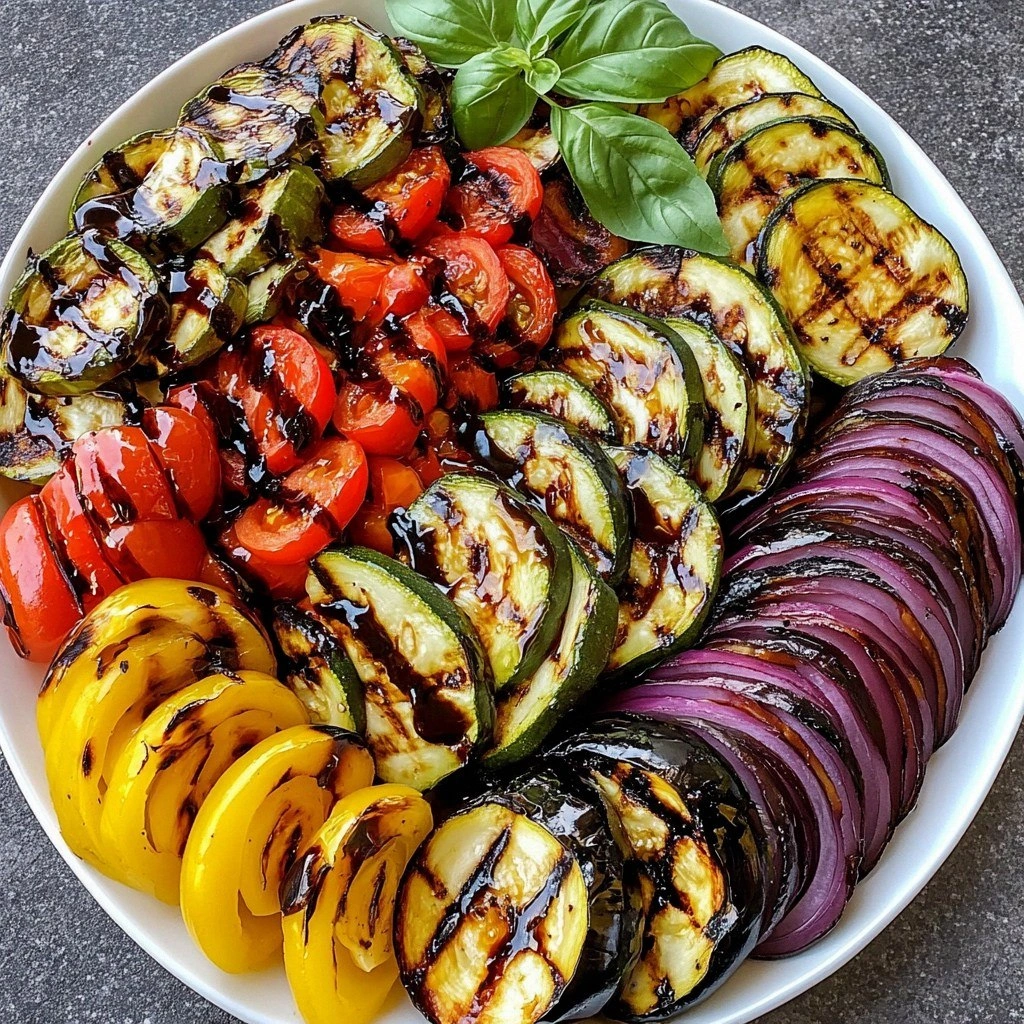
- Visual Appeal: The rainbow of colors—deep purple eggplant, bright red bell pepper, golden zucchini—makes the platter a feast for the eyes, turning a simple side dish into a centerpiece.
- Ingredient Quality: Fresh, locally sourced produce is the backbone of this dish. Choosing organic where possible ensures that each bite is pure and free from the bitterness that can come from over‑processed veggies.
- Make‑Ahead Potential: The glaze can be prepared in advance, and the veggies can be pre‑marinated, making this dish perfect for a last‑minute prep. The flavors only deepen over time.
- Versatility: It can serve as a light lunch, a party starter, or a side dish for a larger meal, making it adaptable to any occasion.
Alright, let's break down exactly what goes into this masterpiece. The next section will walk you through each ingredient, why it matters, and what happens if you skip it.
Inside the Ingredient List
The Flavor Base
The foundation of any great dish is its flavor base, and here, that base is a simple yet powerful blend of olive oil, balsamic glaze, garlic powder, and smoked paprika. Olive oil not only prevents sticking but also carries the flavors of the other ingredients, infusing each slice with a subtle richness. Balsamic glaze, when reduced to a syrupy consistency, becomes a glossy coating that adds a sweet, tangy undertone that balances the earthy vegetables. Garlic powder provides a savory backbone, while smoked paprika introduces a smoky depth that mimics the grill’s char. If you skip this base, the veggies will taste flat, lacking the caramelized sweetness that makes every bite memorable.
The Texture Crew
Texture is what turns a dish from ordinary to unforgettable. The zucchini and yellow squash offer a firm, crisp bite that crisps beautifully when grilled, while the eggplant’s spongy interior melts into a silky softness. Red and green bell peppers add a satisfying snap that breaks the monotony of softer veggies. Portobello mushrooms bring a meaty chew that complements the other vegetables. Together, these textures create a harmonious symphony of crunch, bite, and melt, ensuring that each mouthful is a new experience. If you omit any of these, the platter loses its textural balance, becoming either too dry or too mushy.
The Unexpected Star
The unexpected star of this platter is the fresh basil, which is added after grilling to preserve its bright, aromatic qualities. Basil’s peppery, slightly sweet flavor cuts through the richness of the glaze, providing a fresh counterpoint that lifts the entire dish. It also adds a pop of green that visually ties the platter together. If you skip basil, the dish feels heavy and one‑dimensional. Basil’s presence ensures every bite is fresh, vibrant, and aromatic.
The Final Flourish
The final flourish of this dish is the crushed red pepper flakes, a subtle heat that lingers on the palate without overpowering the other flavors. This small addition gives the platter a lively kick, making it suitable for those who appreciate a hint of spice. The choice of sea salt and freshly ground black pepper ensures that the seasoning is clean and bright, not muddy. If you omit these seasonings, the dish will taste bland and flat. The combination of salt, pepper, and red pepper flakes creates a balanced seasoning profile that highlights the vegetables’ natural sweetness.
Everything's prepped? Good. Let's get into the real action.
The Method — Step by Step
- First, preheat your grill to medium‑high (about 400°F). While it’s heating, slice the zucchini and yellow squash into ¼‑inch thick rounds, and cut the bell peppers into bite‑sized strips. The uniform thickness ensures even cooking and a beautiful char. Watch the grill’s temperature; if it’s too hot, the veggies will burn before they cook through.
- Next, cube the eggplant into ½‑inch cubes and slice the red onion into thick wedges. Toss the veggies with olive oil, garlic powder, and smoked paprika in a large bowl, making sure each piece is evenly coated. This step is crucial for flavor penetration; a light coating means the glaze won’t stick.
- Arrange the vegetables in a single layer on the grill grates, leaving space between each piece so heat can circulate. Grill for 3–4 minutes per side, turning only once to allow a clean char to form. The grill marks should resemble a fine lace pattern that adds visual intrigue.
- While the veggies are grilling, whisk together the balsamic glaze with a splash of water to thin it slightly, then reduce it in a small saucepan over low heat until it thickens to a syrupy consistency. This reduction locks in the sweet acidity that balances the smoky flavors. The glaze should be thick enough to coat the back of a spoon.
- Once the veggies are done, remove them from the grill and arrange them on a platter. Drizzle the thickened balsamic glaze over the top, ensuring every piece gets a glossy coating. The glaze should cling to the veggies like a velvet blanket.
- Sprinkle sea salt, freshly ground black pepper, and the torn basil leaves over the veggies. The basil’s bright aroma will elevate the dish, making each bite feel fresh and lively. The seasoning should be balanced—too much salt will overpower the delicate flavors.
- Let the platter rest for a minute to allow the flavors to settle. This brief pause ensures the glaze sets slightly, giving the dish a glossy, ready‑to‑serve appearance. A quick visual check will confirm that the glaze has caramelized to a beautiful sheen.
- Serve immediately while the veggies are still warm and the glaze is still slightly tacky. The contrast between the hot, charred vegetables and the cool, aromatic basil creates a memorable experience. If you’re preparing ahead, cover the platter loosely with foil and reheat gently to revive the flavors.
That's it — you did it. But hold on, I've got a few more tricks that'll take this to another level.
Insider Tricks for Flawless Results
The Temperature Rule Nobody Follows
Many cooks assume a high heat is always better, but the sweet spot for grilling vegetables is a medium‑high range of 400°F. This temperature ensures that the exterior caramelizes without burning the interior. If you grill too hot, the veggies will char on the outside while remaining raw inside, leading to an unpleasant texture. Conversely, too low a heat will leave them soggy and under‑seasoned. I always set a thermometer on the grill to keep a steady temperature; a quick glance tells me when it’s ready.
Why Your Nose Knows Best
Your olfactory sense is a reliable indicator of doneness. When the veggies are properly grilled, the scent should be sweet, slightly smoky, and the balsamic glaze should give off a faint caramel aroma. If the smell is overly metallic or burnt, it’s a sign that you’re over‑cooking. Trust your nose, and you’ll avoid the dreaded “burnt” plate that ruins the experience.
The 5‑Minute Rest That Changes Everything
After removing the veggies from the grill, let them rest for exactly five minutes. This rest period allows the juices to redistribute, ensuring that each bite is juicy and flavorful. It also gives the glaze a chance to set, creating that glossy sheen that makes the platter look irresistible. Skipping this step will result in a less cohesive flavor profile and a less visually appealing dish.
Use a Skirt of Olive Oil
Instead of tossing the veggies in oil, drizzle a thin layer over the entire platter before adding the glaze. This creates a protective barrier that keeps the veggies from sticking and enhances the caramelization. The oil also carries the flavors of the glaze and seasonings, ensuring a more uniform taste across all pieces.
Add a Touch of Citrus
A squeeze of fresh lemon juice right before serving brightens the dish and cuts through the richness of the glaze. The citrus adds a zesty contrast that lifts the entire flavor profile. Be careful not to overdo it; a single drop per serving is enough to make a difference.
Keep the Grill Clean
A clean grill grates ensures that the vegetables develop proper grill marks and don’t stick. Wipe the grates with a paper towel soaked in oil before each use. This simple step prevents flare‑ups and keeps the char clean and even, which is essential for a professional look.
Creative Twists and Variations
This recipe is a playground. Here are some of my favorite ways to switch things up:
Mediterranean Medley
Swap the balsamic glaze for a lemon‑yogurt sauce and add kalamata olives, feta cheese, and oregano. The creamy tang balances the smoky veggies, creating a dish that feels like a trip to the Mediterranean. This version is perfect for a summer picnic.
Asian Fusion
Replace the smoked paprika with a splash of soy sauce and a sprinkle of toasted sesame seeds. Drizzle with a mixture of honey and sriracha for a sweet‑spicy glaze. The result is a vibrant, umami‑rich platter that pairs well with rice or noodles.
Fall Harvest
Add roasted butternut squash and sage to the mix. Finish with a drizzle of maple syrup and a sprinkle of toasted pecans. The sweet, earthy flavors make this a cozy dish for autumn gatherings.
Summer BBQ
Infuse the glaze with a dash of chipotle powder and a splash of bourbon. The smoky, slightly sweet sauce transforms the veggies into a backyard staple. Pair it with grilled meats or serve as a refreshing side.
Vegan Power Bowl
Serve the grilled veggies over quinoa or couscous and top with a tahini drizzle. Add chopped fresh mint and parsley for a burst of freshness. This version turns the platter into a hearty, plant‑based main course.
Dessert‑Inspired Twist
Grill sweet potatoes and drizzle with a balsamic reduction sweetened with a touch of brown sugar. Sprinkle chopped pistachios and a dusting of powdered sugar for a sweet, savory dessert that satisfies sweet cravings.
Storing and Bringing It Back to Life
Fridge Storage
Store the platter in an airtight container for up to 3 days. Keep the glaze separate until ready to serve, as it can thicken in the fridge. When reheating, add a splash of water to the glaze to loosen it slightly, then drizzle over the warm veggies for a fresh finish.
Freezer Friendly
The grilled veggies can be frozen for up to 2 months. Pack them in a single layer on a baking sheet, freeze until solid, then transfer to a freezer bag. When ready, reheat in the oven at 350°F until warmed through, then finish with a fresh drizzle of glaze.
Best Reheating Method
Reheat the veggies in a skillet over medium heat, adding a splash of olive oil to keep them from drying out. The skillet method preserves the char and crispness better than the microwave. Finish with a final splash of glaze and a sprinkle of basil for an authentic flavor.