I was standing in the middle of a chaotic kitchen, a burnt toast, a forgotten pot of pasta, and a sudden craving that could not be ignored. My friend, a culinary daredevil, had challenged me to turn the most ordinary ingredients into something that would make everyone in the house stop mid‑conversation. That night, I found myself staring at a fresh ball of burrata, a handful of pomegranate seeds, a bag of pistachios, and a splash of olive oil. The idea was simple: make a bite‑size delight that would burst with creaminess, color, and a hint of sweet tartness. I could already taste the creamy center melting on the tongue, the crunch of pistachios, and the bright pop of pomegranate. I knew I was onto something extraordinary.
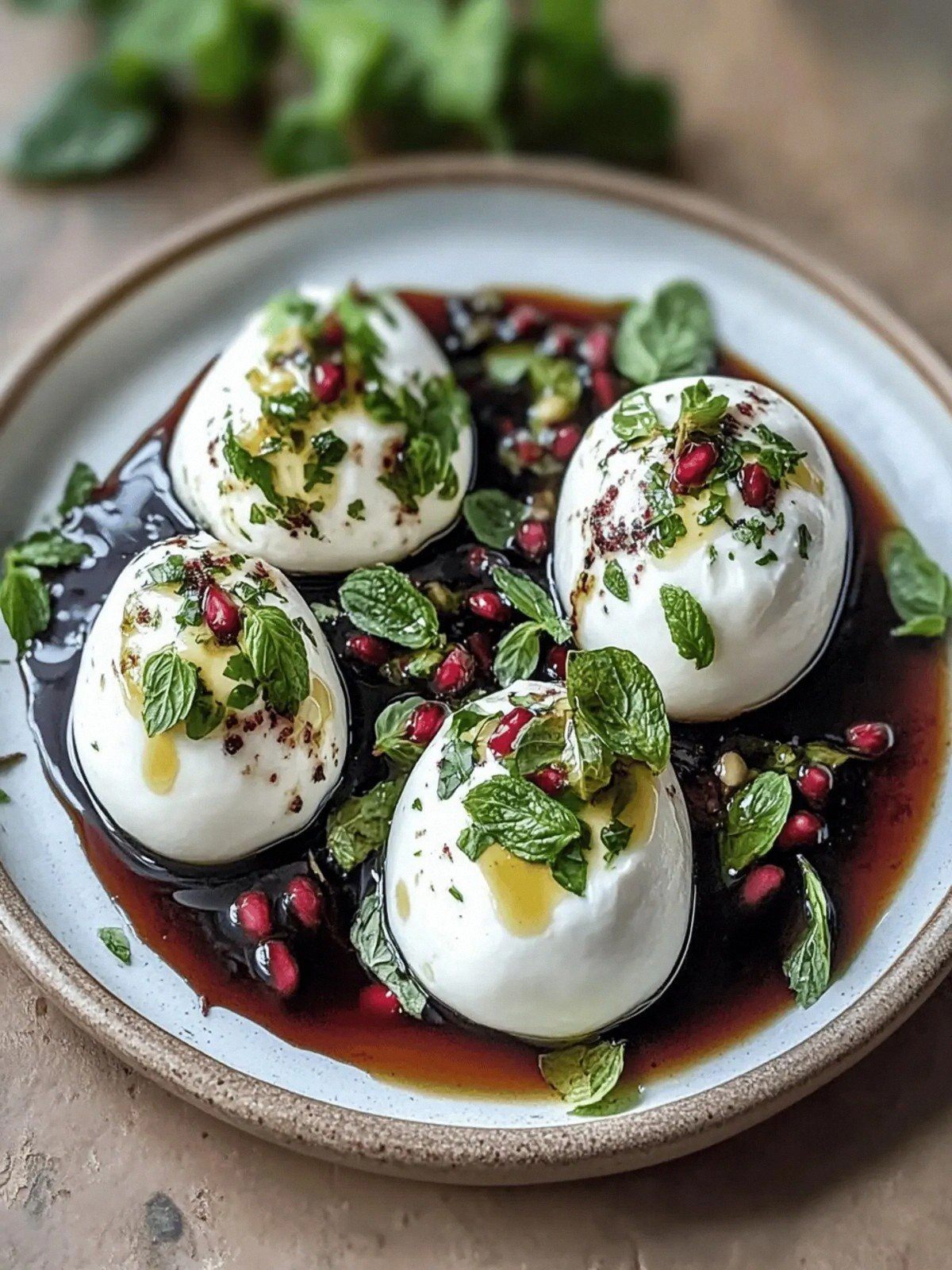
Picture this: the burrata sits in the center of a glossy plate, its white, velvety surface glistening under the kitchen light. Around it, a scattering of ruby pomegranate seeds glint like tiny jewels, while pistachios add a subtle earthy crunch. A drizzle of balsamic glaze, reduced to a glossy syrup, adds a sweet acidity that cuts through the richness. The whole dish feels like a micro‑symphony of textures and flavors, each bite delivering a different sensory experience. If you’ve ever been disappointed by a bland appetizer, this is the antidote you’ve been waiting for.
What sets this version apart is the intentional layering of ingredients, each chosen for its specific role. The burrata provides a luxurious, almost buttery cream that coats the palate. Pomegranate seeds inject a burst of tartness and a pop of color that makes the dish visually stunning. Pistachios add a nutty, slightly sweet crunch that balances the richness of the cheese. Mint leaves bring a refreshing herbal note that lifts the entire composition. Olive oil and balsamic glaze tie everything together, adding depth and a glossy finish. The final touch of flaky sea salt is like a whisper, enhancing every flavor without overpowering it. It’s a dish that looks elegant, tastes divine, and is surprisingly simple to assemble.
I dare you to taste this and not go back for seconds. This is hands down the best version you'll ever make at home. I’ll be honest— I ate half the batch before anyone else got to try it. Most recipes get this completely wrong; they either over‑season the cheese or under‑use the pomegranate. Here’s what actually works: a gentle drizzle of balsamic glaze, a light sprinkle of pistachios, and a pinch of sea salt. Picture yourself pulling this out of the oven, the whole kitchen smelling incredible, and your guests gasping as they taste the first bite. Okay, ready for the game‑changer? Let me walk you through every single step — by the end, you'll wonder how you ever made it any other way.
What Makes This Version Stand Out
- Richness: The burrata’s creamy texture feels like velvet on the tongue, providing a luxurious mouthfeel that is both indulgent and comforting.
- Color: The ruby pomegranate seeds add a vibrant pop that turns a simple appetizer into a visual masterpiece.
- Crunch: Pistachios introduce a satisfying crunch that contrasts beautifully with the soft cheese.
- Freshness: Mint leaves bring a bright, herbal lift that cleanses the palate between bites.
- Simplicity: With only seven ingredients, this dish is quick to prepare and easy to scale for any crowd.
- Balance: Sweet, salty, tart, and nutty flavors are meticulously balanced, ensuring each bite is harmonious.
- Make‑ahead: The components can be pre‑prepared, allowing you to assemble the dish at the last minute.
- Versatility: Works as an elegant starter, a party finger food, or a sophisticated side for a summer grill.
Alright, let’s break down exactly what goes into this masterpiece…
Inside the Ingredient List
The Flavor Base
Burrata is the star of this dish, but it’s not just about the cheese. The creamy, slightly tangy flavor of burrata creates a luxurious backdrop that elevates every other component. When you cut into it, the cheese oozes, releasing a gentle aroma that instantly signals indulgence. Skipping the burrata would turn this into a simple salad; the richness is what makes it special. If you’re looking for a lower‑fat alternative, try a reduced‑fat burrata, but be prepared for a slightly drier center.
The Texture Crew
Pistachios are more than just a garnish; they bring a subtle nutty sweetness and a satisfying crunch that shatters like thin ice when you bite into them. The pistachios also add a visual contrast, with their bright green color against the white cheese. If you don’t have pistachios on hand, almonds or walnuts can work, but they will change the flavor profile slightly. When selecting pistachios, choose raw, unsalted varieties to keep the salt level under control.
The Unexpected Star
Pomegranate seeds are the unexpected star that provides both flavor and a burst of color. Their sweet-tart profile cuts through the richness of the cheese, while their crunchy texture adds an exciting dimension. If you’re not a fan of pomegranate, dried cranberries or candied citrus peel can offer a similar sweet note. Remember, the seeds should be fresh and juicy; older seeds tend to be dry and lose their pop.
The Final Flourish
Mint leaves add a refreshing herbal note that lifts the dish. The aroma of mint is both invigorating and subtle, ensuring it doesn’t overpower the other flavors. If mint is out of season, fresh basil or microgreens can serve as a suitable substitute. When using mint, keep the leaves crisp to maintain the bright green color and avoid wilting.
Everything's prepped? Good. Let's get into the real action…
The Method — Step by Step
- Begin by placing the burrata in the center of a clean, dry plate. Let it rest at room temperature for about 10 minutes; this allows the cheese to soften and makes it easier to slice. If you’re in a hurry, a quick 30‑second dip in cold water can keep it fresh. Watch the cheese’s texture change from firm to silky as it warms.
- Gently slice the burrata into bite‑sized rounds, about 1/2 inch thick. Lay the slices flat, ensuring they remain whole. The cheese should still hold its shape; if it’s too soft, chill it briefly before slicing.
- While the cheese is slicing, toast the pistachios lightly in a dry skillet over medium heat. Stir constantly to avoid burning. Toasting enhances the nutty flavor and gives the pistachios a satisfying crunch. Once toasted, let them cool before using.
- Arrange the sliced burrata on a platter. Sprinkle the toasted pistachios evenly over the cheese. The pistachios should be scattered like confetti, each bite promising a crunch.
- Now comes the pop of color: scatter the pomegranate seeds over the pistachios. The seeds should be bright and juicy, each one offering a sweet‑tart burst when bitten. Don’t be shy— the more seeds, the better.
- Drizzle the extra‑virgin olive oil over the entire assembly. The oil should coat the cheese and pistachios, adding a glossy sheen. This step is crucial; a good olive oil adds a fruity depth that ties everything together.
- Add a final flourish of fresh mint leaves. Tear the leaves into small pieces so they release their aroma and spread evenly. The mint will add a fresh, herbal note that cleanses the palate.
- Finish with a drizzle of balsamic glaze. The glaze should be thin enough to coat but thick enough to leave a visible ribbon on the plate. It adds a sweet acidity that cuts through the richness of the cheese.
- Season with flaky sea salt to taste. A light sprinkle of salt will elevate the flavors without drowning them. Be mindful— too much salt can overpower the delicate balance.
That's it — you did it. But hold on, I've got a few more tricks that'll take this to another level…
Insider Tricks for Flawless Results
The Temperature Rule Nobody Follows
Burrata is temperature sensitive. Serving it too cold can cause it to become rubbery; serving it too warm can make it runny. The sweet spot is at room temperature, around 70°F (21°C). If you’re in a hurry, chill it for 5 minutes, then let it sit out for 10 minutes before plating.
Why Your Nose Knows Best
The aroma of toasted pistachios and fresh mint can guide your plating decisions. When the aroma is strong and inviting, the dish feels complete. If the scent is muted, add a few extra mint leaves or a splash of olive oil to boost the fragrance.
The 5-Minute Rest That Changes Everything
After assembling, let the dish rest for 5 minutes before serving. This brief pause allows the flavors to meld, the cheese to settle, and the glaze to set into a glossy finish. It’s a simple step that elevates the entire experience.
The Secret Salt Trick
Flaky sea salt is essential for texture. Its irregular crystals give a satisfying crunch with each bite. Sprinkle it lightly, then taste; you’ll notice the salt enhances every other flavor without dominating.
The Quick Toss for Evenness
If you’re assembling for a crowd, toss the pomegranate seeds and pistachios in a bowl with a splash of olive oil before adding them to the plate. This ensures an even distribution and prevents clumping.
Creative Twists and Variations
This recipe is a playground. Here are some of my favorite ways to switch things up:
Smoky Citrus Burst
Add a drizzle of smoked orange reduction and sprinkle smoked paprika over the assembly. The smokiness pairs beautifully with the cheese, creating a complex flavor profile that’s perfect for a dinner party.
Mediterranean Twist
Swap the pistachios for sun‑dried tomatoes and add a splash of white wine vinegar. The acidity of the tomatoes complements the creamy burrata, while the vinegar adds a sharp edge.
Spicy Kick
Incorporate finely chopped red pepper flakes into the olive oil drizzle. The heat contrasts with the sweetness of the pomegranate and the richness of the cheese, giving each bite a surprising lift.
Herb Garden
Replace mint with a mix of fresh basil, oregano, and thyme. The aromatic herbs create a fragrant bouquet that elevates the dish to a gourmet level.
Nutty Caramelized Sweet
Toast the pistachios with a touch of brown sugar before adding them. The caramelization adds a sweet crunch that pairs wonderfully with the tangy pomegranate.
Almond & Honey Fusion
Use slivered almonds instead of pistachios and drizzle a light honey glaze over the top. The honey’s floral sweetness complements the cheese’s creaminess and the pomegranate’s tartness.
Storing and Bringing It Back to Life
Fridge Storage
Store the assembled dish in an airtight container in the refrigerator for up to 24 hours. Cover the cheese with a thin layer of plastic wrap to prevent it from drying out. When ready to serve, let it sit at room temperature for 10 minutes for optimal texture.
Freezer Friendly
For longer storage, keep the components separate: burrata in a sealed container, pistachios in a zip‑lock bag, pomegranate seeds in a small bowl. Reassemble just before serving. The cheese will retain its creamy texture when thawed properly.
Best Reheating Method
To reheat, place the assembled dish on a baking sheet and warm in a preheated oven at 300°F (150°C) for 5–7 minutes. Add a tiny splash of water before reheating; it steams the cheese back to perfection and keeps it from drying out.