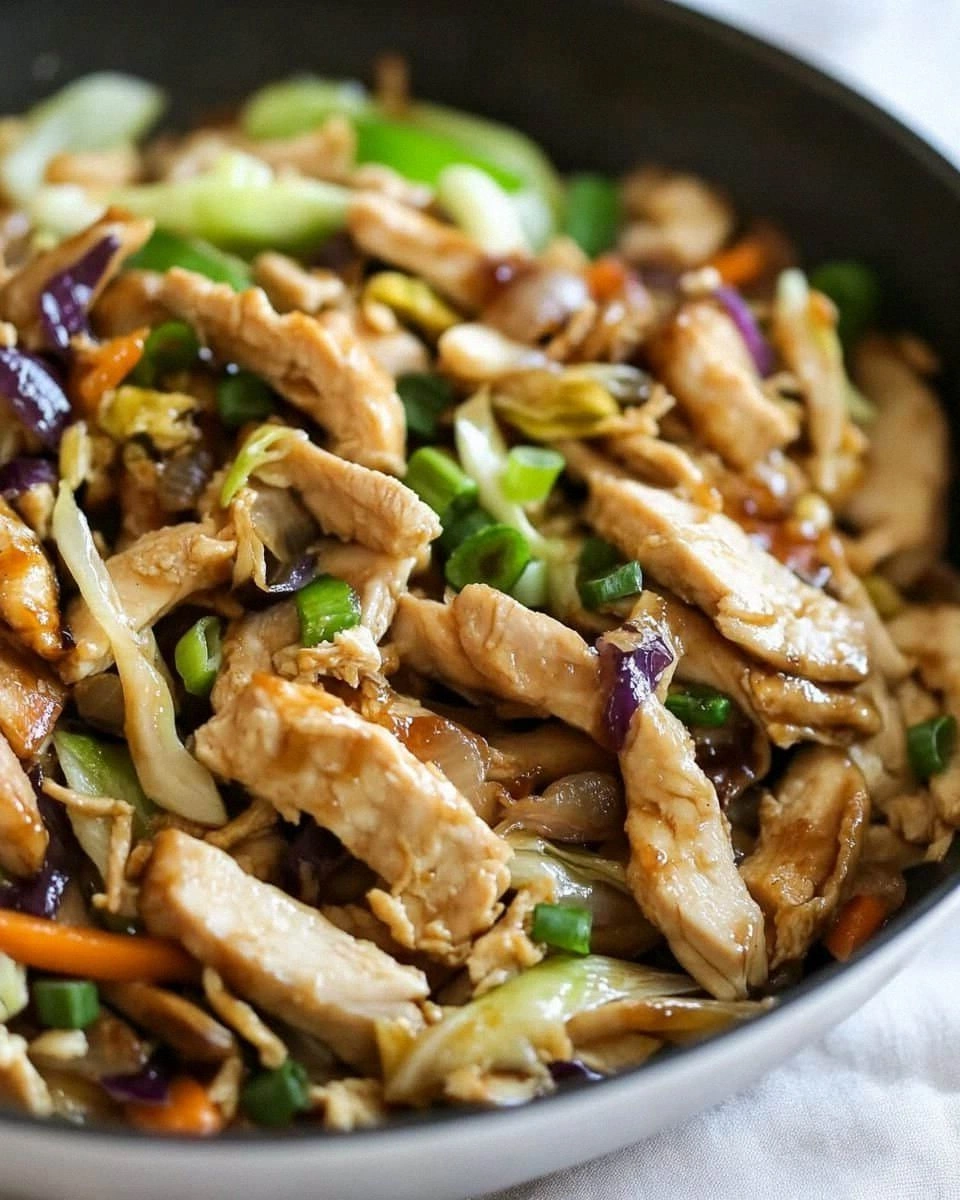
I was rummaging through the back of my fridge the night before a big dinner party, and the only thing that looked like a contender for the main course was a half‑sized can of pineapple, a splash of coconut milk, and a jar of brown sugar. I stared at them, feeling the weight of the empty pantry, and thought, “Why not turn these odds into something that actually tastes like a vacation?” The result was a pineapple casserole that, frankly, feels like a tropical hug in a casserole dish. I swear, the first bite was a burst of sweet citrus that clung to the tongue like a warm souvenir. If you’re wondering whether this is just another sweet treat, I dare you to taste this and not go back for seconds.
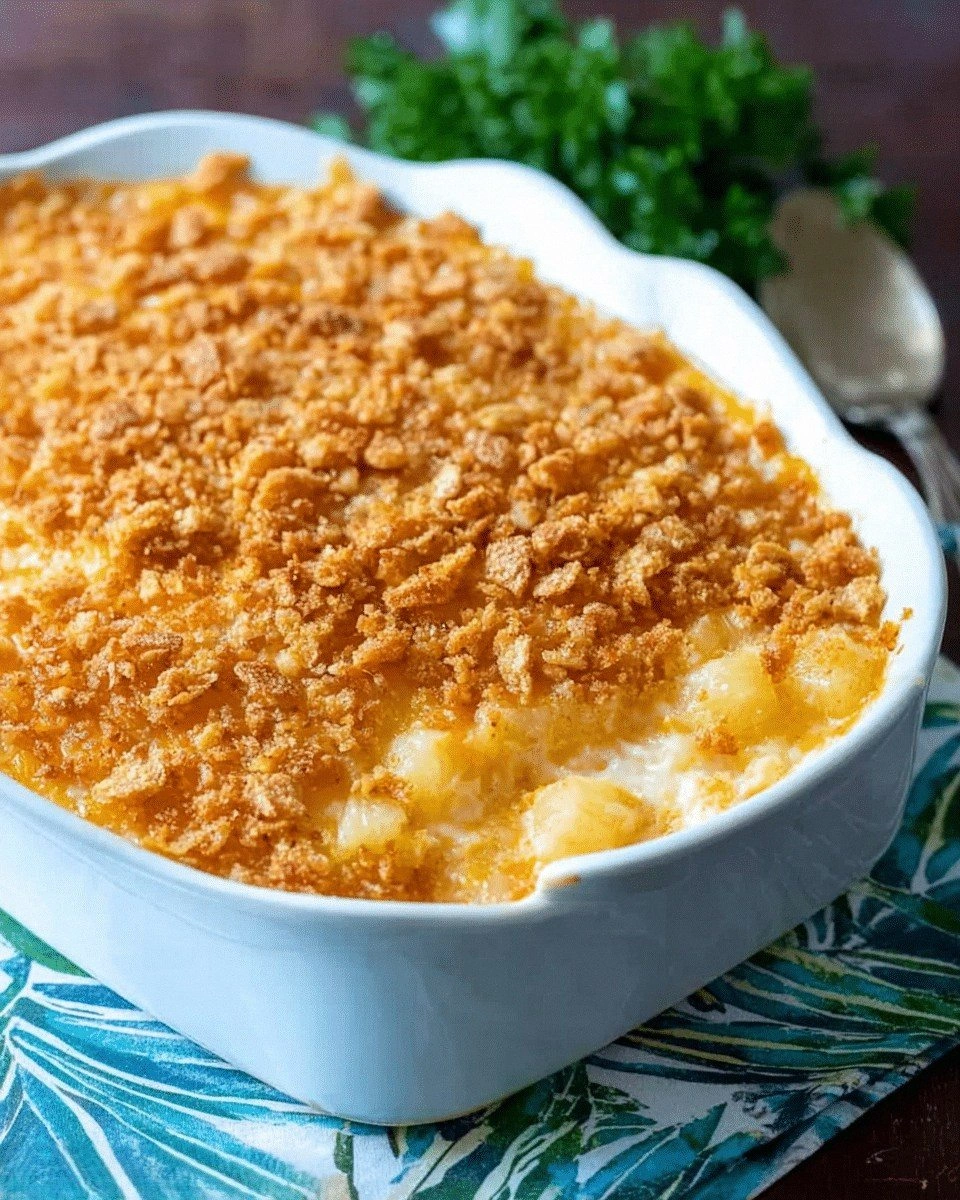
Picture the kitchen: the air is thick with the scent of caramelizing sugar, the sound of butter sizzling, and the faint, almost nostalgic aroma of tropical rain. My friends were skeptical when I announced the idea, but the moment the casserole slid onto the counter, the room filled with a sweet, buttery perfume that made everyone pause. The texture is a paradox: the crust is crisp, golden, and buttery, while the inside is a velvety, custard‑like blend that practically melts in your mouth. Every spoonful is a reminder that simple ingredients can become something extraordinary when you give them a little love. I’ve never seen a dish that can transform a pantry staple into a show‑stopping centerpiece.
What makes this version stand out from the usual pineapple casseroles you see on Pinterest or in grandma’s old cookbook? First, I swapped the typical flour‑based batter for a light, coconut‑infused roux that keeps the casserole airy and prevents it from turning into a dense, bread‑like mess. Second, I added a splash of vanilla and a pinch of cinnamon to create a flavor profile that feels like a summer beach party, not just a sweet side dish. Third, the shredded coconut is toasted to a golden crunch that adds both texture and a nutty aroma that lingers long after the plate is cleared. Fourth, the baking process is deliberately short—just 30 minutes—so the pineapple stays juicy and the sauce thickens without overcooking. Finally, the garnish of toasted coconut flakes on top gives it that final pop of crunch that makes every bite exciting. Together, these tweaks elevate the casserole from ordinary to unforgettable.
If you’re thinking this is just another dessert, think again. The sauce coats the pineapple like velvet, the edges crisp like thin ice, and the whole dish smells like a tropical sunrise. The technique of letting the casserole rest for a few minutes after baking lets the flavors meld, creating a depth that’s hard to replicate in a quick microwave mug cake. And the best part? You can prepare it a day ahead, letting the flavors develop while you go about your day. By the end of this guide, you’ll wonder how you ever made pineapple casserole any other way. Let me walk you through every single step — by the end, you'll wonder how you ever made it any other way.
What Makes This Version Stand Out
- Flour‑Free Roux: The light coconut‑infused roux gives the casserole an airy texture that sets it apart from the heavy, bread‑like versions that dominate the internet. It also allows the pineapple’s natural juiciness to shine through without drowning in starch.
- Balanced Sweetness: By using brown sugar instead of refined white sugar, the casserole gains a subtle molasses undertone that deepens the flavor profile and creates a caramelized crust.
- Toasted Coconut: Toasting the shredded coconut before baking introduces a nutty crunch and a toasted aroma that elevates the dish from sweet to savory‑sweet.
- Cinnamon Twist: A pinch of ground cinnamon adds a warm, spicy undertone that complements the tropical fruit and turns the casserole into a comforting, seasonal treat.
- Short Baking Time: The 30‑minute bake ensures the pineapple remains juicy while the sauce thickens just enough to coat the fruit, preventing the dish from drying out.
- Make‑Ahead Friendly: The casserole can be assembled the night before and baked in the morning, making it an excellent option for busy weeknights or dinner parties.
- Versatile Serving: It works as a dessert, a side dish, or even a breakfast treat, allowing you to serve it in various contexts without compromising flavor.
- Simple Ingredients: Every component is pantry‑friendly, so you can whip up this masterpiece without a trip to the store.
Inside the Ingredient List
The Flavor Base
At the heart of this casserole lies a simple yet powerful combination of pineapple, coconut milk, and brown sugar. The pineapple provides natural sweetness and a juicy bite that contrasts beautifully with the creamy coconut milk. The brown sugar not only sweetens but also caramelizes, giving the sauce a deep, amber hue. If you skip the pineapple, you lose the bright, tropical kick that makes this dish unforgettable.
The Sweetener
Brown sugar is the secret to that caramelized crust that melts on your tongue. Its molasses content adds depth and a hint of bittersweetness that balances the fruit’s sweetness. A pinch of salt is essential; it sharpens the overall flavor and prevents the dish from tasting flat. Skipping the salt would leave the casserole tasting overly sweet and dull.
The Thickener
All‑purpose flour is used sparingly to thicken the sauce without turning it into a dense custard. The flour creates a silky base that holds the pineapple pieces together while still allowing the sauce to flow. If you omit the flour, the casserole will be too runny and the pineapple will sink to the bottom.
The Final Touch
Shredded coconut and a dash of cinnamon are the finishing touches that bring texture and warmth to the dish. Toasted coconut adds a nutty crunch, while cinnamon offers a subtle spice that elevates the tropical flavor. If you decide to leave out the coconut, the casserole will still taste good but will lack that satisfying crunch that keeps you coming back for more.
Everything's prepped? Good. Let's get into the real action...
The Method — Step by Step
- Preheat the Oven: Set your oven to 375°F (190°C). While the oven warms, gather all your ingredients so you’re not scrambling for a pinch of cinnamon. The temperature is crucial; too high and the pineapple will dry out, too low and the crust will never brown. Let the oven preheat for at least 10 minutes before you begin mixing.
- Make the Roux: In a medium saucepan, melt the butter over medium heat until it foams. Add the flour in a single scoop, stirring constantly for about 2 minutes to cook off the raw taste. The mixture should become a light golden paste, not a thick batter. This roux forms the base of your sauce.
- Add Coconut Milk: Pour in the coconut milk slowly, whisking to avoid lumps. The mixture should thicken into a silky sauce. If the sauce is too thick, add a splash of water; if too thin, let it simmer longer. This step is where the coconut flavor truly permeates the dish.
- Sweeten the Sauce: Stir in the brown sugar until fully dissolved. The sugar will caramelize during baking, creating that coveted golden crust. Keep an eye on the sauce; if it starts to brown too quickly, reduce the heat slightly. The aroma at this point should be intoxicating.
- Combine Pineapple: Fold in the pineapple chunks gently, ensuring they’re evenly coated. The pineapple’s moisture will help the sauce set properly. If you prefer a less sweet version, you can reserve a portion of pineapple for serving on the side. The pineapple should feel slightly submerged but not drowned.
- Season: Add the pinch of salt and ground cinnamon. The salt sharpens the sweetness, while the cinnamon adds depth. Mix gently, as too much stirring can break the pineapple pieces. This is the moment where the dish’s character starts to crystallize.
- Transfer to Baking Dish: Pour the mixture into a greased 9x13-inch casserole dish. Smooth the top with a spatula. The surface should be even to ensure uniform browning. This step is crucial for a consistent crust.
- Bake: Place the dish in the preheated oven for 30 minutes. Halfway through, lift the dish and give the top a quick stir to promote even cooking. The edges should start pulling away slightly, indicating a golden crust. Watch for the aroma of caramelized sugar filling the kitchen.
- Finish with Coconut: In the last 5 minutes of baking, sprinkle the toasted coconut evenly over the top. The coconut will toast further, creating a delightful crunch. This final touch is what separates this casserole from the ordinary.
- Rest and Serve: Remove the casserole from the oven and let it rest for 10 minutes. The rest period allows the sauce to set and the flavors to meld. Serve warm, optionally garnished with fresh pineapple slices. The result is a glossy, caramelized masterpiece that will leave guests asking for the recipe.
That's it — you did it. But hold on, I've got a few more tricks that'll take this to another level...
Insider Tricks for Flawless Results
The Temperature Rule Nobody Follows
Many people bake at 350°F, but that low heat can cause the pineapple to release too much liquid, making the sauce runny. I always set my oven to 375°F; the higher temperature crisps the edges and caramelizes the sugars faster, giving a perfect crust. Keep the oven preheated for at least 10 minutes so the temperature is stable when you place the dish in. A consistent heat ensures the casserole bakes evenly.
Why Your Nose Knows Best
Smell is a powerful indicator of doneness. When the casserole is ready, the aroma should be sweet, caramelized, and slightly nutty. If you notice a raw coconut scent, the sauce isn’t thick enough. If the smell is burnt, you’re overbaking. Trust your nose; it’s the ultimate judge of flavor.
The 5-Minute Rest That Changes Everything
After removing the casserole from the oven, let it rest for exactly 5 minutes before slicing. This allows the sauce to set, preventing a runny mess on the plate. The rest period also lets the pineapple juices redistribute, giving each bite a balanced sweetness. Skipping this step often results in a soggy, uneven texture.
Use a Silicone Spatula for Gentle Folding
When you fold the pineapple into the sauce, use a silicone spatula to avoid breaking the fruit. A metal whisk can crush the pineapple, releasing too much juice and diluting the sauce. A gentle fold keeps the texture intact and the flavor concentrated.
Serve Warm, Not Hot
Serve the casserole at a slightly warm temperature, about 110°F. Serving it too hot can melt the coconut topping, while serving it cold can make the sauce cling to the plate. Warm it in the oven for a few minutes if it cools too quickly.
Creative Twists and Variations
This recipe is a playground. Here are some of my favorite ways to switch things up:
Hawaiian Pineapple Upside‑Down Cake
Swap the casserole for a quick cake batter, using the same pineapple and coconut base. Bake in a round pan, invert on a plate, and top with caramelized brown sugar. The result is a moist cake that feels like a tropical dessert.
Spicy Pineapple Coconut Curry
Add a tablespoon of red curry paste to the sauce and a pinch of cayenne pepper. The coconut milk will balance the heat, creating a vibrant, spicy dish that pairs well with jasmine rice.
Almond‑Infused Crunch
Replace shredded coconut with toasted almond slivers. The almonds add a nutty crunch and a subtle earthy flavor that complements the pineapple’s sweetness.
Chocolate‑Covered Pineapple Delight
After baking, drizzle melted dark chocolate over the top and let it set. The chocolate adds richness and a bittersweet contrast to the tropical sweetness.
Low‑Calorie Pineapple Casserole
Use unsweetened almond milk instead of coconut milk, reduce the brown sugar to 1/4 cup, and omit the butter. The result is a lighter version that still delivers the essential tropical flavor.
Breakfast Pineapple Casserole
Fold in a handful of chopped walnuts and a splash of maple syrup before baking. Serve warm with a dollop of Greek yogurt for a protein‑rich breakfast that feels like a dessert.
Storing and Bringing It Back to Life
Fridge Storage
Cool the casserole completely before covering it tightly with plastic wrap. Store it in the refrigerator for up to 3 days. The pineapple’s natural acidity helps preserve the dish, keeping it moist and flavorful.
Freezer Friendly
Wrap the casserole in foil and place it in a freezer‑safe container. It will keep for up to 2 weeks. When you’re ready to serve, thaw it overnight in the fridge and reheat in the oven at 350°F for 15 minutes.
Best Reheating Method
To restore the original texture, add a splash of water before reheating; this steams the casserole back to its silky consistency. Cover loosely with foil to keep the top from over‑browning. Reheat until the interior reaches 165°F.