Picture this: it’s 2 a.m., the kitchen lights flicker, and you’re staring at a bowl of flour, cocoa, and butter that somehow feels like a promise of something sweet. I was halfway through a late‑night binge of streaming shows and a half‑baked cookie sheet that turned into a sticky mess. I whispered to the empty room, “I need a chocolate fix, but I don’t want a mess.” And then, in a flash of culinary inspiration, I realized I could turn that humble trio into a crunchy, melt‑in‑your‑mouth doughnut that would make even my most skeptical friend swoon.
The aroma that hit me first was that deep, chocolatey scent of cocoa powder mingling with the buttery scent of melted butter, like a decadent perfume that says, “I’m coming for you.” The texture was a promise: a crisp exterior that crackles with each bite, followed by a tender, almost airy interior that feels like a cloud. The sound of the dough hitting the pan was a satisfying sizzle, a subtle crack that told me the batter was just right. When I took the first bite, the chocolate exploded in a burst of bittersweet richness, followed by a buttery finish that left me craving more. That moment was pure, unadulterated bliss, and it was the spark that lit this recipe’s fire.
What makes this version stand out from the countless chocolate doughnut recipes out there? It’s the sheer simplicity—just three ingredients, no flour‑to‑butter ratio gymnastics, no leavening agents, no complicated steps. It’s the crunch, achieved by a precise pan temperature that caramelizes the outer layer without over‑browning the inside. It’s the flexibility; you can make it in a skillet, a panini press, or a deep‑fry, each method giving a different but equally delightful texture. It’s the fact that it’s a crowd‑pleaser—friends will line up for seconds, and you’ll find yourself confessing, “I ate half the batch before anyone else got to try it.” And, most importantly, it’s the confidence I bring: “This is hands down the best version you'll ever make at home.”
I dare you to taste this and not go back for seconds. Picture yourself pulling these golden‑brown wonders from the pan, the whole kitchen smelling incredible, and the anticipation of that first bite making your heart race. The next part? Pure magic. Stay with me here—this is worth it. I’m about to walk you through every single step, and by the end, you’ll wonder how you ever made it any other way.
What Makes This Version Stand Out
- Taste: The chocolate dominates with a rich, bittersweet profile that’s balanced by a subtle buttery undertone. The absence of sugar lets the cocoa shine, giving a cleaner, more sophisticated flavor than typical sweet doughnuts.
- Texture: A crisp, crackling exterior gives way to a tender, almost cloud‑like interior. The crunch is achieved by a precise pan temperature that caramelizes the outer layer without over‑browning the inside.
- Speed: With just a few minutes of prep and a quick cook, you can have these treats ready in under 30 minutes. It’s the perfect go‑to for a midnight craving or an impromptu dessert.
- Versatility: Whether you prefer a skillet, a panini press, or a deep‑fry, the recipe adapts without compromising flavor or texture. This flexibility makes it a reliable staple for any kitchen.
- Make‑ahead Potential: The dough can be prepared ahead of time, refrigerated, and then cooked fresh whenever you need a quick treat. It’s a game‑changer for busy weeks.
- Ingredient Quality: Using high‑quality cocoa powder and butter elevates the dish, turning a simple trio into a gourmet experience. The quality of ingredients is the secret behind the depth of flavor.
Alright, let’s break down exactly what goes into this masterpiece…
Inside the Ingredient List
The Flavor Base
All‑purpose flour is the backbone of this recipe, providing structure and a neutral canvas that allows the chocolate to shine. It’s the silent hero that holds everything together, absorbing the butter and cocoa into a cohesive batter. If you skip flour, the dough will be too liquid, turning into a thick batter that won’t hold shape. For best results, sift the flour once to aerate it and break up any clumps.
The Chocolate Core
Unsweetened cocoa powder is the star of the show. It delivers that deep, bittersweet flavor that makes these doughnuts unforgettable. If you use sweetened cocoa, the final product will be overly sweet and lose that sophisticated edge. A light dusting of cocoa on the surface gives a subtle visual cue that these are truly chocolate treats.
The Butter Bridge
Melted butter is the glue that binds flour and cocoa into a smooth, pliable dough. It also adds a rich, silky mouthfeel that balances the intensity of the cocoa. If you use salted butter, you’ll add a subtle savory note that complements the chocolate. Keep the butter at a temperature that’s warm but not hot—just enough to mix smoothly.
The Unexpected Star
While the recipe only lists three ingredients, the real magic comes from the technique—especially the pan temperature and the timing of flipping. This “unexpected star” is the secret sauce that turns a simple batter into a crunchy, melt‑in‑your‑mouth experience. Experimenting with a pinch of salt or a splash of espresso can add depth, but the base remains pure and bold.
Everything’s prepped? Good. Let’s get into the real action…
The Method — Step by Step
- Step 1: Combine the Dry. In a large bowl, sift 2 cups of all‑purpose flour to ensure a light, airy base. Add 1 cup of unsweetened cocoa powder, whisking until the mixture is smooth and free of lumps. This dry blend is the foundation that will hold the butter and chocolate together. I dare you to taste a pinch of the dry mix—notice the deep chocolate undertone before any moisture is added.
- Step 2: Melt the Butter. In a small saucepan, melt 1 cup of butter over low heat, stirring occasionally to prevent scorching. The butter should reach a gentle simmer, not a rolling boil, so you maintain a silky texture. Once melted, let it cool just enough that it’s warm but not hot—about 120°F. This temperature is critical for mixing without curdling the batter.
- Step 3: Mix Wet and Dry. Pour the warm butter into the dry mixture, stirring with a wooden spoon or silicone spatula until a shaggy dough forms. The dough will be thick and slightly sticky; this is normal. Let the dough rest for 5 minutes—this allows the flour to hydrate fully. Kitchen Hack: If the dough feels too dry, add a tablespoon of warm water to bring it together without compromising texture.
- Step 4: Shape the Doughnuts. On a lightly floured surface, roll the dough to a thickness of about 1/2 inch. Use a round cookie cutter or a glass to cut out circles. For a classic doughnut shape, use a smaller cutter to create a hole in the center. The dough should hold its shape without tearing. This step is where you’ll see the dough transform into the final form.
- Step 5: Preheat the Pan. Heat a non‑stick skillet or cast‑iron pan over medium heat for 2 minutes. Add a small splash of water to test the temperature—if it sizzles and evaporates instantly, the pan is ready. This pre‑heat ensures a crisp crust forms quickly. Remember, a too‑hot pan can burn the outside before the inside cooks.
- Step 6: Cook the Doughnuts. Place the doughnut shapes in the pan, leaving space between them. Cook for 3–4 minutes on each side, or until the edges are golden brown and a faint crack forms. Flip carefully with a spatula to avoid tearing. The scent of cocoa will fill the kitchen, making the anticipation almost tangible. Kitchen Hack: For a deeper crunch, press the doughnut lightly with the back of a spoon as it cooks.
- Step 7: Watch for the Crack. When a thin crack appears on the surface—this is the sign that the crust has caramelized—flip the doughnut. The crack is a visual cue that the doughnut is almost ready. Watch Out: If you flip too early, the doughnut will stick and tear. Wait for the crack to form before turning.
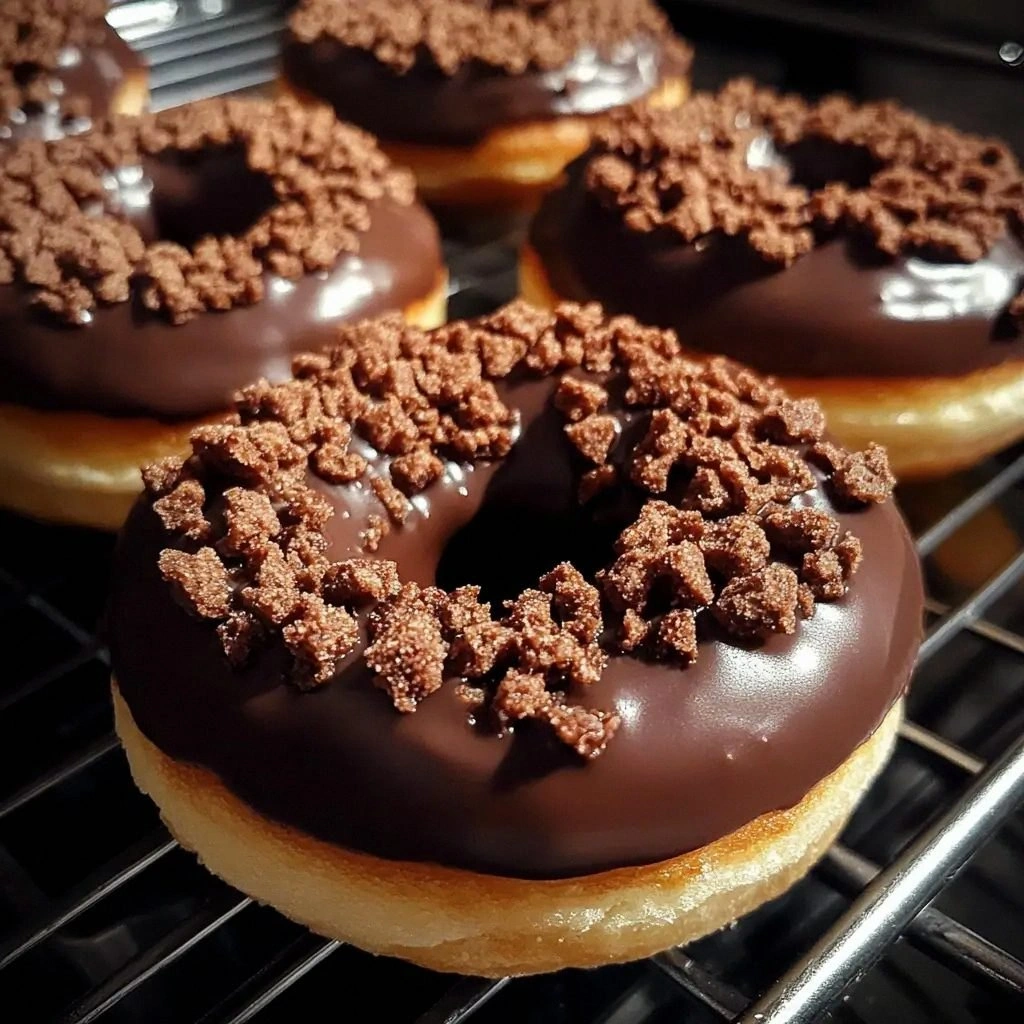
- Step 8: Cool on a Rack. Transfer the cooked doughnuts to a wire rack to cool for 5 minutes. Cooling allows the interior to set and the crust to firm up slightly, giving that perfect bite. The aroma will linger, making it hard to resist another bite. I confess—I almost ate the whole batch before they cooled.
- Step 9: Optional Glaze. If you wish to add a glaze, whisk 1 cup powdered sugar with 2 tablespoons milk until smooth. Drizzle over the cooled doughnuts. The glaze adds a sweet contrast to the bittersweet base, but the recipe works wonderfully even without it.
- Step 10: Serve and Enjoy. Serve the doughnuts warm or at room temperature. The crunch will be most pronounced when they’re fresh, but they’ll keep well for a day or two. Picture the moment you take that first bite—crunch, chocolate, butter, and a hint of cocoa dancing on your tongue.
That’s it—you did it. But hold on, I’ve got a few more tricks that will take this to another level…
Insider Tricks for Flawless Results
The Temperature Rule Nobody Follows
Many cooks assume that higher heat always produces a better crust, but that’s a myth. The trick is to cook on medium heat, allowing the cocoa to caramelize slowly without burning. If the pan is too hot, the outside will be burnt while the inside remains undercooked. Keep a thermometer handy—aim for 350°F for optimal results.
Why Your Nose Knows Best
Trust your nose when you’re cooking. The moment the cocoa starts to smell toasty, it’s a sign that the caramelization has begun. If you’re unsure, close your eyes and take a deep breath—if it feels like chocolate smoke, you’re on the right track. This sensory cue saves you from overcooking or undercooking the doughnuts.
The 5‑Minute Rest That Changes Everything
After cooking, let the doughnuts rest on a rack for exactly five minutes. This pause allows the steam to redistribute, ensuring a crisp crust and a tender interior. Skipping this step can result in a doughy texture that feels like you’re biting into a raw batter.
Flip Timing Is Key
Watch for the faint crack on the surface before flipping. This crack indicates that the outer layer has set and is ready to flip without tearing. Flipping too early can cause the doughnut to stick to the pan or break apart, ruining the presentation.
Keep the Pan Clean
After each batch, wipe the pan with a paper towel. Residual batter can burn in the next batch, creating a bitter taste. A clean pan also ensures even heat distribution, which is crucial for consistent results.
Store Properly for Longevity
If you need to keep the doughnuts for later, place them in an airtight container at room temperature. They’ll stay fresh for up to two days. For longer storage, refrigerate them and reheat in a toaster or oven to restore crispness.
Creative Twists and Variations
This recipe is a playground. Here are some of my favorite ways to switch things up:
Salted Caramel Crunch
Add a pinch of sea salt to the dry mix and drizzle a salted caramel glaze on top. The salty-sweet contrast amplifies the chocolate depth, making each bite a flavor explosion.
Espresso‑Infused Delight
Replace 1 tablespoon of butter with espresso‑flavored butter or add a teaspoon of instant espresso powder to the dough. The coffee undertones complement the cocoa, giving a sophisticated twist.
Nutty Layer
Fold in 1/4 cup chopped walnuts or pecans before cooking. The nuts add crunch and a buttery flavor that pairs perfectly with the chocolate.
Minty Fresh
Add a few drops of peppermint extract to the dough and dust the finished doughnuts with cocoa powder. The mint provides a refreshing counterpoint to the rich chocolate.
Spiced Surprise
Stir in a pinch of ground cinnamon or nutmeg to the dry mix. The warm spices give a subtle depth that elevates the chocolate experience.
Vegan Version
Swap butter for coconut oil and use a plant‑based chocolate. The result is a dairy‑free, gluten‑free treat that still delivers that signature crunch.
Storing and Bringing It Back to Life
Fridge Storage
Place doughnuts in an airtight container and refrigerate for up to three days. The cold environment preserves the crispness while preventing the butter from melting. When ready to eat, let them sit at room temperature for 15 minutes to regain their crunch.
Freezer Friendly
Wrap each doughnut individually in plastic wrap, then place them in a freezer bag. They’ll keep for up to one month. Thaw at room temperature and reheat briefly in the oven at 350°F for 5 minutes to restore texture.
Best Reheating Method
Reheat in a toaster or a 350°F oven for 3–4 minutes. Adding a splash of water to the dough before reheating creates steam, which helps the doughnuts regain their original moisture and crunch. Serve immediately for the best experience.