I was staring at a half‑empty pantry, the kind of moment where you swear the universe is testing your culinary resolve. The clock was ticking, the kids were begging for something quick, and my brain was stuck on a loop of “what‑the‑hell‑do‑I‑make‑now?” I grabbed a can of white beans, a jar of artichoke hearts, and a loaf of crusty sourdough, thinking maybe I could cobble together a snack. The first attempt was a soggy mess that tasted like a bland bean casserole—total disaster. That failure sparked a fire: I refused to settle for “just okay” and vowed to create a version that would make even the pickiest snack‑hunter swoon.
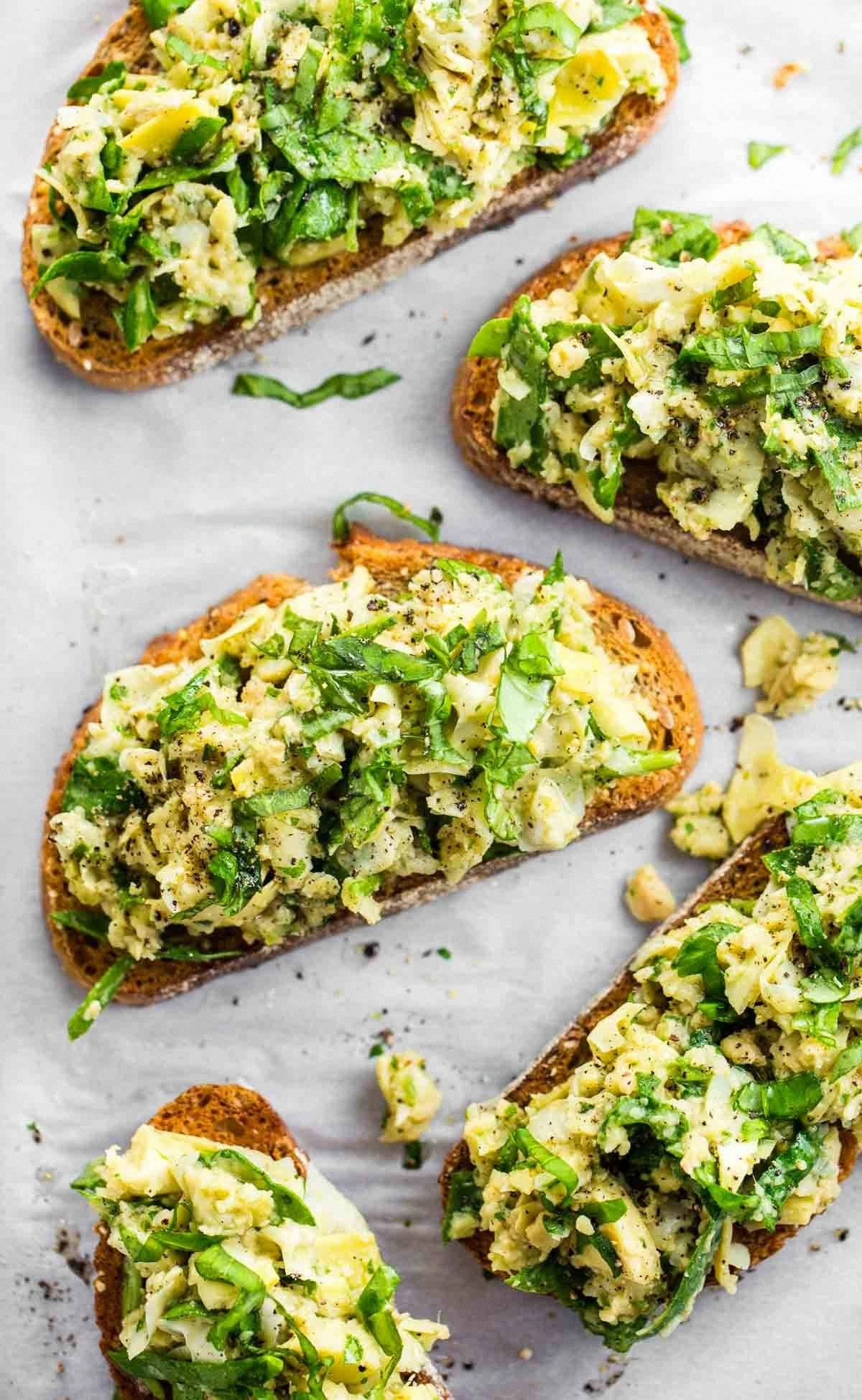
Picture this: a golden‑brown slice of bread, its surface cracked just enough to catch a glorious pool of creamy white beans and tangy artichokes, all speckled with fresh basil that looks like a miniature garden. The aroma hits you first—a buttery, toasted note that quickly gives way to a bright citrus zing and the earthy whisper of garlic. When you bite, the crunch of the toasted crumb gives a satisfying snap, then the beans melt in your mouth, silky as a silk scarf, while the artichoke adds a tender, slightly nutty bite that dances with the lemony brightness. It’s a symphony of textures and flavors that feels both comforting and sophisticated.
Most recipes for bean‑and‑artichoke toasts either drown the beans in oil or forget the crucial step of seasoning at the right moment. The result? A bland, greasy slab that leaves you reaching for ketchup. My version flips the script: I treat the beans like a spreadable dip, mash them with a splash of lemon juice, then let the artichokes bring a buttery bite that never overwhelms. The secret ingredient? A modest sprinkle of panko that turns the top into a crisp, buttery crown that shatters like thin ice when you cut into it.
I dare you to taste this and not go back for seconds. I’ll be honest — I ate half the batch before anyone else got to try it, and that was the moment I knew I’d cracked the code. This is hands down the best version you’ll ever make at home, and it only takes ten minutes of your time. Let me walk you through every single step — by the end, you’ll wonder how you ever made it any other way.
What Makes This Version Stand Out
- Flavor Explosion: The lemon‑brightened bean mash pairs with the briny artichokes for a tangy‑savory duet that sings on the palate.
- Texture Harmony: Creamy interior, crisp top, and a sturdy bread base create a three‑layer mouthfeel that keeps you chewing happily.
- Speedy Simplicity: All ingredients are pantry‑friendly; you can pull everything together in under ten minutes without any fancy equipment.
- Unique Twist: A dash of panko on the finish adds a surprise crunch that most bean‑toasts simply lack.
- Crowd‑Pleaser: Even the most skeptical eaters admit this snack is “unexpectedly delicious,” making it perfect for parties or quick lunches.
- Ingredient Quality: Using good‑quality extra‑virgin olive oil and fresh basil elevates the dish from everyday to gourmet.
- One‑Pan Method: No extra dishes, just a skillet and a baking sheet—cleanup is as breezy as the flavor.
- Make‑Ahead Friendly: The bean‑artichoke spread can be pre‑made and stored, so you only need to toast the bread when you’re ready.
Inside the Ingredient List
The Flavor Base
White Beans (2 cups): These buttery legumes are the heart of the dish, providing a creamy canvas that absorbs lemon and garlic like a sponge. If you skip them, you lose the silky texture that makes each bite feel luxurious. You can swap for cannellini or great‑northern beans, but the flavor profile shifts slightly toward a nuttier note.
Marinated Artichoke Hearts (1 cup, chopped): Their tangy, slightly sweet flavor cuts through the richness of the beans, adding a briny pop that keeps the dish from feeling heavy. Forgetting this ingredient turns the toast into a plain bean spread—still good, but missing that spark. Look for jars in oil rather than water for maximum flavor.
Garlic (2 cloves, minced): Garlic brings a pungent warmth that deepens the overall taste. Over‑cooking it can turn bitter, so keep an eye on the skillet. If you’re sensitive, try roasted garlic for a milder, sweeter edge.
Lemon Juice (1 tbsp) & Lemon Zest (1 tsp): The juice adds acidity that brightens the beans, while the zest contributes aromatic oils that perfume the entire plate. Skipping the zest means you lose that fragrant citrus spark that makes the dish memorable.
The Texture Crew
Extra‑Virgin Olive Oil (2 tbsp): This oil coats the beans, giving them a glossy finish and a subtle fruitiness. Using a low‑quality oil can make the dish taste flat and greasy. Opt for a cold‑pressed, first‑press oil for the best flavor.
Panko Breadcrumbs (1/4 cup): The panko creates that coveted crunch on top, turning ordinary toast into a textural masterpiece. If you use regular breadcrumbs, you’ll get a denser crust that lacks the airy bite. Toast them lightly before sprinkling for extra depth.
Parmesan Cheese (1/2 cup, grated): This hard cheese adds a salty, umami punch and helps the panko bind to the surface. Skipping it makes the topping less flavorful and reduces the golden color.
The Unexpected Star
Fresh Basil (1/4 cup, chopped): Basil brings a peppery, slightly sweet herbaceous note that lifts the whole dish. If you substitute dried basil, you’ll miss the fresh pop and the bright green speckles that make the plate look inviting.
Rustic Sourdough Bread (8 slices): A sturdy slice can hold the generous bean mixture without collapsing. A softer white bread would soak up the spread and become mushy. Look for a loaf with a thick crust and a chewy crumb for the best bite.
The Final Flourish
Salt & Pepper (to taste): These basics bring balance, enhancing every other flavor. Over‑salting can mask the lemon, while under‑seasoning leaves the dish flat. Taste as you go; seasoning is personal.
Red Pepper Flakes (pinch, optional): A tiny heat boost that wakes up the palate without overwhelming the delicate bean texture. If you’re not a fan of spice, leave it out; the dish still shines.
Everything's prepped? Good. Let’s get into the real action…
The Method — Step by Step
Heat a large skillet over medium‑high heat and add the olive oil. Once the oil shimmers, toss in the minced garlic and let it sizzle for about 30 seconds—watch that golden edge, that’s the signal it’s ready. If the garlic starts to brown too quickly, lower the heat; burnt garlic will turn bitter and ruin the whole base.
Kitchen Hack: Mince the garlic with the flat side of a chef’s knife; this releases more aromatic oils than a press.Add the chopped artichoke hearts to the skillet, stirring them into the garlic for another minute. You’ll hear a subtle pop as the oil embraces the artichokes, releasing a faint, briny perfume that signals they’re warming up nicely. This step is crucial because it prevents the artichokes from staying cold and diluting the bean mixture later.
Stir in the white beans, lemon juice, and lemon zest. Using a wooden spoon, mash the beans directly in the pan until you achieve a chunky‑but‑smooth consistency—think rustic guacamole, not a puree. The lemon zest should become fragrant, coating the beans with a bright citrus aroma that makes your kitchen feel like a Mediterranean patio.
Season the mixture with salt, pepper, and a pinch of red pepper flakes if you like a little heat. Taste at this stage; this is where you decide if you need more salt to bring out the flavors or an extra splash of lemon to lift the dish. Remember, seasoning is the secret handshake of great cooking.
While the bean mixture simmers gently, preheat your broiler on high and line a baking sheet with parchment. Arrange the sourdough slices in a single layer, then give each slice a quick 30‑second toast under the broiler—just enough to set a crust but not brown them fully. This pre‑toast creates a barrier that keeps the bread from soaking up the bean mash later.
Watch Out: Do not leave the bread unattended; the broiler can turn a perfect toast into a charred disc in seconds.Spoon a generous layer of the bean‑artichoke mash onto each toasted slice, spreading it evenly but leaving a thin border so the edges stay crisp. The topping should be thick enough to hold its shape, yet soft enough to melt into the bread with each bite. This is the moment of truth—if the spread is too watery, the toast will sog, if too dry, it will feel barren.
Mix the grated Parmesan with the panko breadcrumbs in a shallow bowl. Sprinkle this mixture liberally over each toast, ensuring every corner gets a dusting. The cheese will melt into a golden crust while the panko adds that satisfying crunch.
Slide the assembled toasts back under the broiler for 2‑3 minutes, watching closely as the cheese bubbles and the panko turns a deep, buttery amber. That sizzle when it hits the pan? Absolute perfection. When the edges start pulling away from the bread, you know they’re ready.
Kitchen Hack: Rotate the pan halfway through broiling to ensure an even golden finish on all sides.Remove the toasts from the oven, sprinkle the fresh chopped basil over the top, and let them rest for a minute. The basil wilts just enough to release its aroma without losing its bright green color. This final flourish adds a herbaceous lift that ties the whole dish together.
Plate the toasts on a serving platter, drizzle a tiny drizzle of extra‑virgin olive oil if you like, and serve immediately while the crust is still whisper‑crunchy. Picture yourself pulling this out of the oven, the whole kitchen smelling incredible, your guests leaning in for a bite. That’s the payoff for ten minutes of focused effort.
That's it — you did it. But hold on, I've got a few more tricks that'll take this to another level…
Insider Tricks for Flawless Results
The Temperature Rule Nobody Follows
Never underestimate the power of a hot pan. Starting with a fully heated skillet ensures the garlic releases its oils instantly, creating a flavor base that doesn’t sit soggy. If the pan isn’t hot enough, the beans will absorb oil and become greasy instead of glossy. I once tried this on a low flame and ended up with a dull, lifeless spread; the lesson? Crank that heat up and trust the sizzle.
Why Your Nose Knows Best
Your sense of smell is the ultimate timer. When the garlic turns golden and the artichokes start to perfume the air, you know it’s time to add the beans. If you’re unsure, take a quick sniff—if you detect a faint citrus hint from the lemon zest, you’re on the right track. Trusting your nose cuts down on guesswork and prevents overcooking.
The 5‑Minute Rest That Changes Everything
After broiling, let the toasts sit for exactly five minutes before serving. This short rest allows the cheese to set slightly, so the topping won’t slide off when you bite. It also gives the basil a moment to release its essential oils fully. Skipping this pause leads to a sloppy plate; patience makes the difference.
Panko Perfection
Toast the panko lightly in a dry pan before mixing with Parmesan. This extra step adds an extra layer of nuttiness and ensures the crumbs stay crisp even after the broiler’s heat. One friend tried skipping the toast and complained the topping turned soggy—don’t make that mistake.
Lemon Zest Rescue
If your beans taste flat after mashing, a quick pinch of extra lemon zest revives the entire dish. The zest’s essential oils are more potent than juice, delivering a bright pop that cuts through the richness. Keep a microplane handy; a few shavings can rescue a dish in seconds.
Creative Twists and Variations
This recipe is a playground. Here are some of my favorite ways to switch things up:
Mediterranean Mezze
Swap the Parmesan for crumbled feta and add a handful of chopped Kalamata olives. The salty feta and briny olives turn the toast into a mini mezze platter, perfect for a summer gathering. The olive oil’s fruitiness pairs beautifully with the lemon‑bright beans.
Spicy Sriracha Kick
Stir a tablespoon of sriracha into the bean mash and sprinkle a few toasted sesame seeds on top. The heat from the sriracha mingles with the subtle citrus, while the sesame adds a nutty crunch. This version is a hit for anyone who loves a little fire.
Vegan Delight
Replace the Parmesan with nutritional yeast and use a drizzle of vegan butter on the bread before broiling. The nutritional yeast brings a cheesy umami without dairy, and the butter ensures the crust stays golden. This makes the dish 100% plant‑based while keeping the texture intact.
Herb‑Infused Surprise
Add a tablespoon of chopped fresh rosemary or thyme to the bean mixture before mashing. The herbaceous notes deepen the flavor profile, giving the toast an earthy, forest‑floor vibe. Pair with a glass of crisp white wine for an elegant bite.
Sweet‑Savory Fusion
Mix in a handful of dried cranberries and a drizzle of honey after spreading the beans. The sweet tartness of the cranberries contrasts with the salty cheese, creating a sophisticated sweet‑savory balance. This variation shines as a brunch centerpiece.
Storing and Bringing It Back to Life
Fridge Storage
Transfer any leftover bean‑artichoke spread to an airtight container and refrigerate for up to three days. The flavors meld even more, making the next day’s toast taste richer. Keep the bread separate; toasted slices stored in a paper bag retain their crunch for 24 hours.
Freezer Friendly
Portion the spread into freezer‑safe bags, flattening them for even thawing. It freezes well for up to two months. When you’re ready to use it, thaw in the fridge overnight, then reheat gently in a skillet with a splash of water to revive the silky texture.
Best Reheating Method
To reheat assembled toasts, place them on a baking sheet and broil for 1‑2 minutes, watching closely. Add a tiny splash of water to the beans before reheating; the steam restores the creaminess without making the bread soggy. Serve immediately for that fresh‑out‑of‑the‑oven crunch.