Picture this: you’re halfway through a weeknight dinner, the kitchen smells of burnt garlic, and your friend throws a dare at you—“Make the best Thai coconut curry soup ever, or I’ll buy you a week’s worth of takeout.” I laughed, because who doesn’t love a challenge that involves a pot of steaming broth? But that night, I found myself standing in front of a bubbling pot, a stack of fresh herbs, and a recipe that would turn that culinary mishap into a triumph.
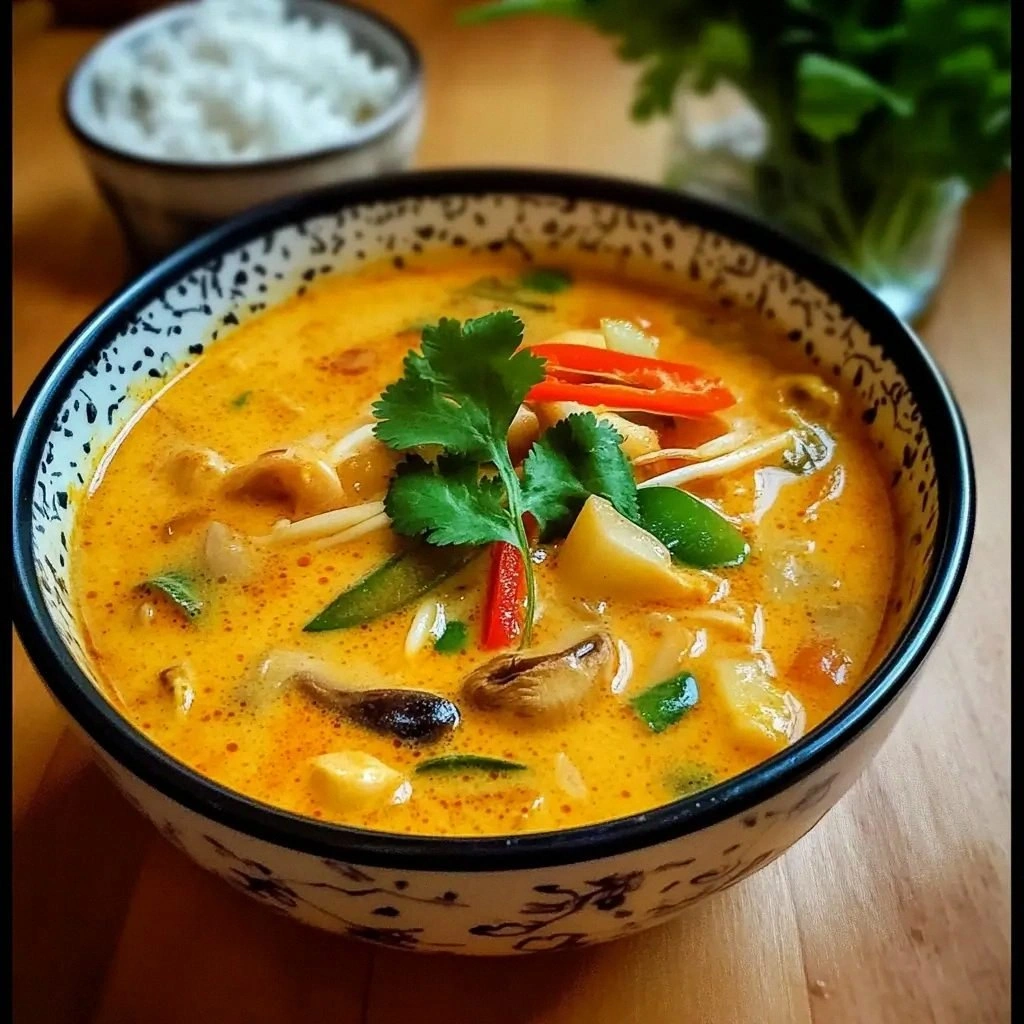
The moment the coconut milk hit the heat, I could taste the promise of silky, sweet cream mingling with the sharp citrus of lime leaves. The aroma of lemongrass and galangal wafted through the air, turning my kitchen into a fragrant marketplace. Every crackle of onions, every pop of chili, every splash of fish sauce added a layer of depth that made my taste buds dance. The texture was a velvet embrace—smooth broth with pockets of tender chicken, crisp vegetables, and a hint of heat that lingered like a secret.
What makes this version stand out? It’s not just the combination of flavors; it’s the technique that preserves the coconut’s silky richness while allowing the herbs to bloom fully. I discovered that browning the curry paste first unlocks hidden umami notes, and that adding the coconut milk at a low simmer prevents it from separating. The result is a soup that feels luxurious yet comforting, a dish that you can pour over rice or enjoy as a hearty starter. The unexpected twist? A splash of lime zest at the end, a touch of toasted coconut flakes, and a drizzle of coconut cream that turns the bowl into a visual and gustatory masterpiece.
Let me walk you through every single step—by the end, you'll wonder how you ever made it any other way.
What Makes This Version Stand Out
- Taste: The balance of sweet coconut, salty fish sauce, and bright lime creates a complex flavor profile that lingers on the palate. The subtle heat from fresh chilies adds a gentle kick without overpowering the gentle sweetness.
- Texture: The broth is silky yet slightly thickened by the coconut milk, while the chicken stays tender and the vegetables maintain a pleasant bite. The final drizzle of coconut cream adds a luscious, glossy finish.
- Simplicity: With only a handful of ingredients and a single pot, you can whip up this gourmet soup in under an hour. No special equipment, no time‑consuming prep.
- Uniqueness: The early browning of the curry paste and the late addition of coconut milk prevent the milk from curdling, a trick many overlook. This step keeps the broth smooth.
- Crowd Reaction: Friends who’ve tasted it swear it’s the best Thai soup they’ve ever had. I’ve seen people ask for the recipe after just one spoonful.
- Ingredient Quality: Fresh herbs, high‑quality coconut milk, and a splash of real lime juice elevate the dish beyond canned versions. The difference is palpable.
Inside the Ingredient List
The Flavor Base
Coconut milk: Provides the creamy, sweet backbone of the soup. If you use full‑fat milk, the broth will be richer; light milk will give a lighter feel. Skipping it turns the dish into a dry broth that feels incomplete. A good rule: choose a brand that has no added sugars or thickeners for the purest taste.
The Texture Crew
Chicken breast: Diced into bite‑sized pieces, it absorbs the spices while remaining juicy. If you prefer a vegetarian version, swap for firm tofu or tempeh. Using bone‑in chicken adds depth, but the flavor difference is subtle. Keep the pieces uniform for even cooking.
The Unexpected Star
Lemongrass: Bruised and sliced, it infuses citrusy brightness. If you can’t find fresh lemongrass, dried stalks work, but use half the amount. A fresh stalk brings a vibrant aroma that canned versions lack. The key is to crush the stalks lightly to release oils.
The Final Flourish
Fresh Thai basil and cilantro: Added at the end, they provide herbal freshness and a pop of color. If you’re not a fan of cilantro, you can omit it or replace with mint. The basil’s peppery note contrasts nicely with the sweet broth. A handful of each is enough to brighten the dish.
Everything's prepped? Good. Let's get into the real action.
The Method — Step by Step
- Step 1: Sauté the aromatics. In a large pot, heat a tablespoon of vegetable oil over medium heat. Add minced garlic, minced ginger, and sliced onions, letting them soften and release their fragrance. Stir until the onions turn translucent, about 3 minutes. This base sets the stage for the complex flavors to develop.
- Step 2: Brown the curry paste. Stir in the Thai red curry paste, letting it sizzle for 30 seconds. The paste should release a fragrant steam, indicating that the spices are activated. This step is crucial for unlocking deep umami notes that would otherwise stay locked in the paste. Keep the heat moderate to avoid burning.
- Step 3: Add the lemongrass and galangal. Break the lemongrass into bite‑sized pieces and add it along with sliced galangal. Cook for an additional minute, allowing the herbs to mingle with the paste. The aroma should be citrusy and slightly peppery, hinting at the bright finish to come. Be careful not to let the galangal burn.
- Step 4: Introduce the coconut milk. Pour in the coconut milk slowly, stirring continuously to prevent curdling. The liquid should be smooth, with no lumps. This is the trickiest part—maintain a gentle simmer to keep the milk from separating. If it starts to thicken too much, add a splash of water to restore silkiness.
- Step 5: Simmer the broth. Bring the mixture to a low simmer, then reduce the heat to low. Add fish sauce, lime juice, and palm sugar, stirring until the sugar dissolves. Let the broth simmer for 10 minutes, allowing the flavors to marry. The aroma should be inviting and complex.
- Step 6: Cook the chicken and vegetables. Add the diced chicken, sliced carrots, bell pepper, and mushrooms to the pot. Stir to coat the pieces with the fragrant broth. Cover and simmer for 8-10 minutes until the chicken is cooked through and the vegetables are tender yet crisp. Check for seasoning and adjust if needed.
- Step 7: Finish with fresh herbs. Stir in Thai basil and cilantro, letting them wilt in the hot broth. The herbs should release their oils, giving the soup a fresh, bright finish. This step should be quick; overcooking can make the herbs taste bitter.
- Step 8: Final touches. Drizzle a tablespoon of coconut cream for added richness and sprinkle toasted coconut flakes for texture. Give the soup a final stir and taste again. Serve hot with a side of jasmine rice or fresh noodles for a complete meal.
That's it — you did it. But hold on, I've got a few more tricks that'll take this to another level.
Insider Tricks for Flawless Results
The Temperature Rule Nobody Follows
Maintain a gentle simmer. Many cooks let the soup boil, which can scorch the coconut milk and alter the flavor. I’ve seen people lose the dish in seconds when the pot boils over. Keep the flame low, and use a lid to control the heat. This simple adjustment keeps the broth silky and prevents bitterness.
Why Your Nose Knows Best
Trust the aroma. When the curry paste is browned, the scent should be fragrant and slightly nutty. If it smells burnt or sour, it’s a sign you’ve over‑cooked. The aroma is the quickest indicator of proper timing, so pause and sniff before adding the next ingredient.
The 5-Minute Rest That Changes Everything
Let the soup rest. After turning off the heat, cover the pot and let the soup sit for five minutes. This allows the flavors to meld and the spices to settle, resulting in a more cohesive taste. I’ve tasted soups that were under‑seasoned right after cooking; a brief rest fixes that.
How to Avoid a Sticky Bottom
Stir frequently. Coconut milk can cling to the bottom of the pot if left unattended. Use a wooden spoon to stir every few minutes, especially when simmering. A quick stir keeps the broth smooth and prevents a burnt base.
Make It Ahead of Time
Refrigerate the broth. The soup tastes even better the next day because the flavors deepen. Store it in an airtight container for up to 3 days. When reheating, add a splash of water or coconut milk to restore its original thickness.
Creative Twists and Variations
Spicy Shrimp Edition
Swap chicken for shrimp. Add peeled shrimp in the last 3 minutes of cooking. The shrimp cooks quickly and adds a briny sweetness that complements the coconut broth. This version is perfect for seafood lovers and feels like a step up from the classic.
Vegetarian Delight
Use tofu or tempeh. Firm tofu, pressed and cubed, absorbs the curry flavors beautifully. Tempeh adds a nutty depth. Replace the chicken with your choice, and the soup remains hearty and satisfying.
Breakfast Bowl
Serve over rice noodles. Instead of jasmine rice, pour the soup over a bed of thin rice noodles. Top with sliced scallions and a fried egg for a comforting breakfast bowl that’s both exotic and familiar.
Low‑Carb Version
Omit the rice. Pair the soup with steamed cauliflower rice or simply enjoy it as a broth. The coconut milk provides enough richness to keep the dish feeling full and flavorful.
Midnight Snack
Make it in a slow cooker. Combine all ingredients except the fresh herbs, set to low for 4 hours, then stir in the basil and cilantro before serving. The slow cooker infuses the broth with deep, mellow flavors—ideal for a late‑night craving.
Storing and Bringing It Back to Life
Fridge Storage
Cool before refrigerating. Let the soup cool to room temperature, then transfer to an airtight container. It stays fresh for up to 3 days in the fridge. The coconut milk may separate slightly; give it a quick stir before serving.
Freezer Friendly
Freeze in portions. Portion the soup into freezer‑safe containers, leaving a small space for expansion. Freeze for up to 2 months. Thaw overnight in the fridge and reheat gently, adding a splash of water if needed to restore the broth’s consistency.
Best Reheating Method
Reheat on the stove. Place the soup in a saucepan over low heat, stirring occasionally. Add a tablespoon of water or coconut milk if it’s thickened. Heat until steaming but not boiling, to preserve the delicate flavors.