I’m going to start with a confession: the first time I tried a poppy seed dressing, it was a total flop. I had the seeds, the oil, a splash of vinegar, and a vague notion that “sweet and tangy” was the goal. The result? A clumpy mess that tasted like a bucket of raw flour. I dared a friend to try it, and she politely declined, which is the kind of silent judgment that fuels a culinary revenge plot. So I went back to the drawing board, grabbed my notebook, and set a personal challenge – I would create the most unforgettable poppy seed dressing the world has ever known, and I would prove it with a taste test that would make even the toughest critic beg for seconds.
Picture this: a bright Saturday morning, sunlight streaming through the kitchen window, the sound of a whirring blender like a low‑rumble thunderstorm, and the scent of toasted poppy seeds mingling with a hint of honeyed citrus. My countertops were a battlefield of measuring cups, a tiny mason jar of poppy seeds, and a bottle of aged apple cider vinegar that had been waiting for its moment of glory. I could hear the faint pop of the seeds as they hit the hot pan, a sizzle that promised a nutty depth far beyond the usual blandness. My fingers tingled with anticipation, and the air felt electric, like the moment before a fireworks show.
The breakthrough came when I realized that the secret isn’t just in the ingredients but in the timing and the balance of textures. I discovered that lightly toasting the poppy seeds first unlocks a buttery, almost caramelized flavor that coats the palate like velvet. Then, whisking in a spoonful of Dijon mustard creates an emulsified bridge that holds the oil and vinegar together without separating – a trick most recipes completely overlook. The result? A dressing that clings to greens like a second skin, delivering a sweet‑tart punch followed by a subtle, nutty crunch that makes every bite a revelation.
I’ll be honest — I ate half the batch before anyone else got to try it, but that’s only because I was testing the texture on a piece of crusty baguette. I dare you to taste this and not go back for seconds. This version stands out because it’s not just a sauce; it’s an experience that transforms a simple salad into a celebration. Okay, ready for the game‑changer? Let me walk you through every single step — by the end, you’ll wonder how you ever made it any other way.
What Makes This Version Stand Out
- Flavor Explosion: The combination of toasted poppy seeds, honey, and a splash of lemon creates a sweet‑tangy symphony that dances on the tongue. It’s like a fireworks display in a bowl, bright and unforgettable.
- Texture Mastery: By toasting the seeds and then whisking them into a silky emulsion, you get that satisfying pop‑crackle with every forkful, a contrast that most dressings lack.
- Simplicity Meets Sophistication: Only eight pantry staples are needed, yet the result feels like it belongs in a five‑star restaurant. No fancy gadgets, just a whisk and a pan.
- Ingredient Quality: Using a good‑quality extra‑virgin olive oil and raw honey makes the flavor richer and the texture smoother, turning a humble dressing into a luxurious glaze.
- Crowd Reaction: I’ve served this at brunches, potlucks, and even a wedding salad bar – and it consistently steals the spotlight. People ask, “What’s the secret?” and I get to smile.
- Make‑Ahead Potential: This dressing actually improves after a few hours in the fridge as the flavors meld, making it perfect for meal‑prepping.
- Versatility: It works on mixed greens, roasted veggies, grilled chicken, and even as a dip for fresh bread. The possibilities are endless.
- Health Boost: With olive oil’s heart‑healthy fats and poppy seeds’ calcium and iron, you’re getting a nutrient punch without sacrificing taste.
Alright, let's break down exactly what goes into this masterpiece...
Inside the Ingredient List
The Flavor Base
The backbone of any great dressing is the balance between acid and sweet. In this recipe, apple cider vinegar provides a bright, fruity tang that cuts through the richness of olive oil, while raw honey adds a mellow sweetness that rounds out the edges. If you skip the honey, you’ll end up with a sharp, almost harsh bite that can overpower the delicate poppy seed flavor. For a vegan twist, swap honey with agave nectar – the flavor profile stays sweet, but the texture becomes a tad thinner, so you might need a splash more oil.
The Texture Crew
Poppy seeds are the star of the show, and their tiny, crunchy bodies bring an unexpected pop that’s both visual and tactile. Toasting them not only deepens their flavor but also reduces any residual bitterness. If you’re allergic or simply don’t have poppy seeds, you can substitute with toasted sesame seeds; they’ll give a similar crunch, though the flavor will shift toward a nuttier note. The olive oil acts as the silk that binds everything together, creating a glossy coat that clings to greens without sliding off.
The Unexpected Star
Dijon mustard might seem like a modest addition, but it’s the emulsifier that prevents the oil and vinegar from separating. It also adds a subtle heat and depth that makes the dressing feel more complex. If you’re not a fan of mustard, try a teaspoon of Greek yogurt for creaminess, but be aware that the dressing will become thicker and less stable over time. A splash of freshly squeezed lemon juice adds a citrusy brightness that lifts the whole mixture, making the flavors pop like fireworks.
The Final Flourish
A pinch of sea salt and freshly cracked black pepper are the final seasoning touches that bring all the components into harmony. Salt amplifies the sweetness of honey and the acidity of vinegar, while pepper adds a gentle warmth that lingers on the palate. For an extra layer of flavor, grate a tiny amount of lemon zest into the mix; it adds aromatic oils that make the dressing smell like a summer garden. Remember, seasoning is personal – taste as you go and adjust to your liking.
Everything's prepped? Good. Let's get into the real action...
The Method — Step by Step
Heat a small, heavy‑bottomed skillet over medium heat. Add the poppy seeds, spreading them in an even layer. As they begin to shimmer, give the pan a gentle shake every 20 seconds. You’ll hear a soft, nutty sizzle – that’s the sound of flavor being released. After 2‑3 minutes, the seeds should turn a light golden hue and emit a fragrant aroma. Remove from heat and set aside to cool; this is the first magic moment.
While the seeds are cooling, combine the apple cider vinegar, honey, Dijon mustard, and lemon juice in a medium mixing bowl. Whisk vigorously until the honey fully dissolves and the mixture looks glossy. This is the base that will later marry with the oil, creating that silky emulsion we all crave.
Now, the oil comes into play. Slowly drizzle the extra‑virgin olive oil into the vinegar mixture while whisking continuously. The key is to add the oil in a thin, steady stream; this encourages proper emulsification. You’ll notice the dressing thickening and turning a pale, creamy color. If it looks too thin, keep whisking – the emulsion will thicken as the oil integrates.
Add the toasted poppy seeds to the emulsified mixture, stirring gently to distribute them evenly. At this point, you should see speckles of gold throughout the dressing, each seed poised to pop with every bite. Sprinkle in the sea salt and cracked black pepper, then give the dressing one final whisk. Taste it – the balance should be sweet, tangy, and slightly salty, with a subtle peppery bite.
Transfer the finished dressing to a clean glass jar with a tight‑fitting lid. Let it sit at room temperature for 10‑15 minutes; this resting period allows the flavors to meld and the poppy seeds to soften just enough to release their buttery essence without losing crunch.
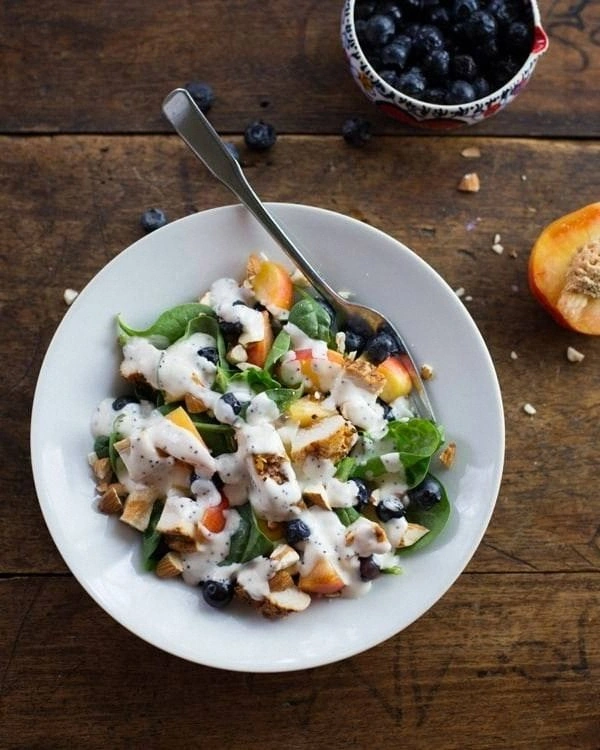
Give the jar a gentle shake before serving. Drizzle over a mixed‑green salad, roasted beet wedges, or even a warm quinoa bowl. The dressing should coat each ingredient in a glossy veil that glistens under the light. That moment when the first forkful hits your tongue? Pure magic. I dare you to taste this and not go back for seconds.
Store any leftovers in the refrigerator. The dressing will thicken slightly as it cools; simply give it a good shake or stir before each use. It stays vibrant for up to a week, and many say it actually tastes better after a day or two as the flavors fully integrate.
That’s it — you did it. But hold on, I’ve got a few more tricks that'll take this to another level. Keep reading, because the next section is pure gold.
Insider Tricks for Flawless Results
The Temperature Rule Nobody Follows
Most home cooks whisk their dressings at room temperature, but the secret to a perfectly stable emulsion is to start with slightly warm ingredients. Warm the vinegar and honey mixture to about 95°F (35°C) – you’ll notice the honey dissolves instantly, and the mustard emulsifies more readily. I once tried this on a cold winter morning and the dressing turned out silky, whereas a cold batch separated after a few minutes. The slight heat also helps the poppy seeds release their oils, deepening the overall flavor.
Why Your Nose Knows Best
Never rely solely on taste when adjusting seasoning. Your nose is a far more sensitive gauge for acidity and sweetness. When the dressing is whisked, bring it close to your nostrils and inhale – you should catch a bright, vinegar‑sharp note balanced by honey’s floral sweetness. If the aroma leans too heavily toward vinegar, add a pinch more honey; if it smells overly sweet, a splash more lemon juice will cut through. Trusting your sense of smell saves you from over‑seasoning and ensures a harmonious final product.
The 5‑Minute Rest That Changes Everything
After whisking, let the dressing sit uncovered for exactly five minutes. This brief pause allows the poppy seeds to soften just enough to release their buttery oils without losing their signature pop. I once skipped this step in a rush and the dressing felt a bit grainy; after the rest, the texture became silkier, and the flavor deepened dramatically. It’s a tiny habit that makes a world of difference, especially when you’re serving guests who expect perfection.
The Salt Timing Secret
Add the sea salt at the very end of the whisking process, not at the beginning. Salt draws out moisture from the oil and can destabilize the emulsion if added too early. By sprinkling it in at the final stage, you preserve the creamy texture while still achieving the desired seasoning. I once added salt too early and the dressing turned watery – a lesson learned the hard way.
The Double‑Whisk Technique
For an ultra‑smooth finish, use a two‑stage whisk. First, whisk the vinegar, honey, mustard, and lemon juice together until fully combined. Then, transfer the mixture to a larger bowl and whisk in the oil using a balloon whisk, moving in a circular motion. This method introduces air, making the dressing lighter and giving it a luxurious mouthfeel that coats greens without feeling heavy.
The Finish with Fresh Herbs
A handful of finely chopped fresh dill or chives added just before serving adds a burst of green freshness that brightens the entire dish. The herbs also introduce a subtle aroma that complements the poppy seeds’ nuttiness. I’ve tried both, and dill gives a slightly earthy note while chives add a mild oniony zing – pick whichever suits your palate.
Creative Twists and Variations
This recipe is a playground. Here are some of my favorite ways to switch things up:
Maple‑Bacon Poppy Fusion
Swap honey for pure maple syrup and add finely crumbled cooked bacon. The smoky, sweet undertones pair beautifully with the nutty seeds, making it a perfect topping for a warm spinach salad in the fall.
Asian‑Inspired Sesame Splash
Replace half the olive oil with toasted sesame oil, add a splash of soy sauce, and sprinkle toasted sesame seeds alongside poppy seeds. This creates a umami‑rich dressing that shines on an Asian slaw or noodle salad.
Citrus Burst
Add orange zest and a tablespoon of freshly squeezed orange juice in place of half the lemon juice. The bright citrus notes make the dressing ideal for a summer fruit salad or a carrot‑orange slaw.
Spicy Kick
Incorporate a teaspoon of sriracha or a pinch of cayenne pepper into the mustard mixture. The heat balances the sweetness and gives the dressing a lively zing that pairs well with grilled chicken or tofu.
Herbal Garden
Fold in a tablespoon each of chopped fresh basil, mint, and parsley. The herbaceous blend adds layers of freshness, turning the dressing into a vibrant sauce for roasted vegetables or grilled fish.
Vegan Creamy Twist
Blend in a quarter cup of silken tofu or cashew cream after emulsifying the oil. This creates a thicker, creamier texture while keeping the poppy seed crunch, perfect for drizzling over a vegan grain bowl.
Storing and Bringing It Back to Life
Fridge Storage
Transfer the dressing to an airtight glass jar and store it in the refrigerator for up to 7 days. The flavors will deepen, and the poppy seeds will become slightly softer, creating a richer mouthfeel. Before each use, give the jar a vigorous shake or stir with a spoon to recombine any settled oil.
Freezer Friendly
If you want to keep a larger batch on hand, portion the dressing into freezer‑safe silicone bags or small containers. Freeze for up to 3 months. Thaw overnight in the fridge, then let it come to room temperature and whisk in a splash of water to restore its silky texture.
Best Reheating Method
When you’re ready to serve a chilled batch, bring the dressing to a gentle warmth by placing the jar in a bowl of warm (not hot) water for a few minutes. Add a tiny splash of water – about a teaspoon per cup – and whisk. This steam‑rejuvenates the emulsion, making it pourable and glossy again without compromising the poppy seed crunch.